What Do Mobility Assistance Dogs Do? Qualities, Tasks & FAQ
In this article
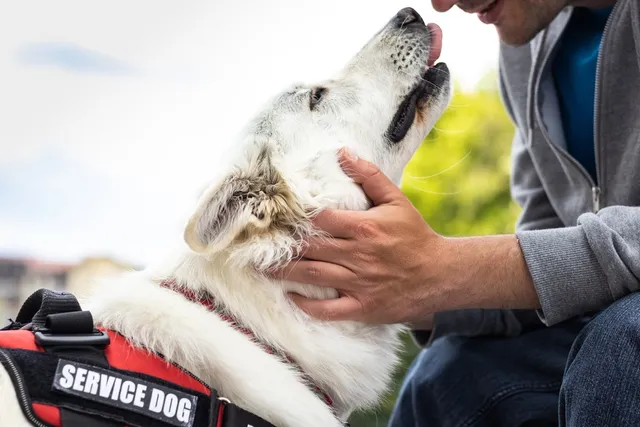
Mobility assistance dogs take “man’s best friend” to the next level. They’re not only a loyal, reliable companion but essential for people who struggle with disabilities in their everyday lives. These dogs support their handlers by helping them balance or retrieve necessary items, making seemingly impossible tasks possible.

How Does It Work?
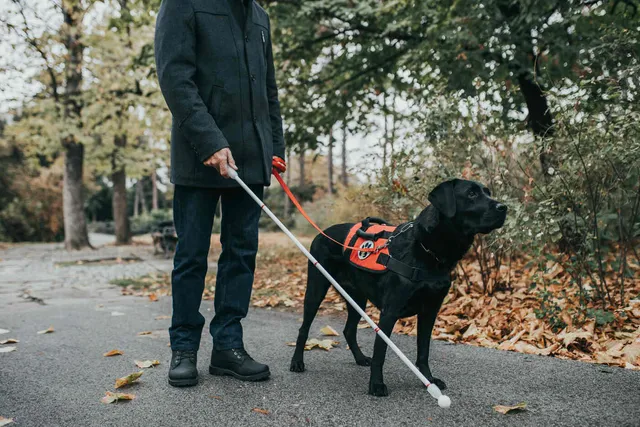
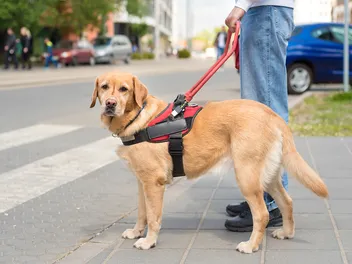
Mobility service dogs are also known as brace service dogs or brace and mobility support dogs (BMSD). They’re rigorously trained to help owners with disabilities move around safely or retrieve items they would otherwise be unable to reach. Each dog is trained to suit a specific disability and perform essential tasks the owner may need.
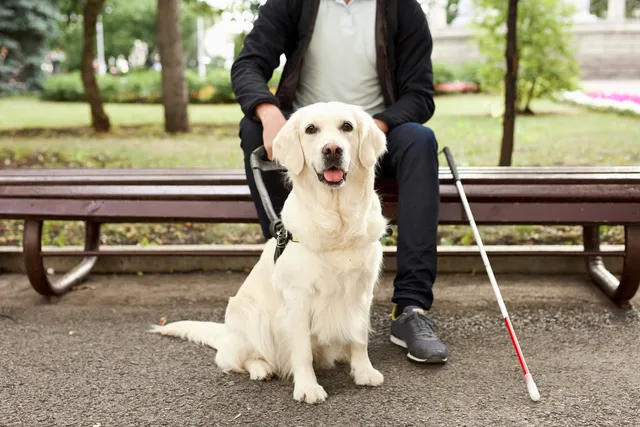
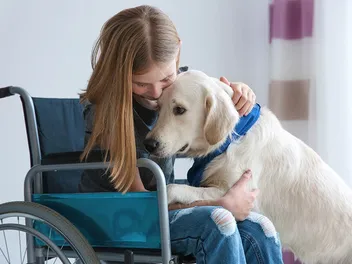
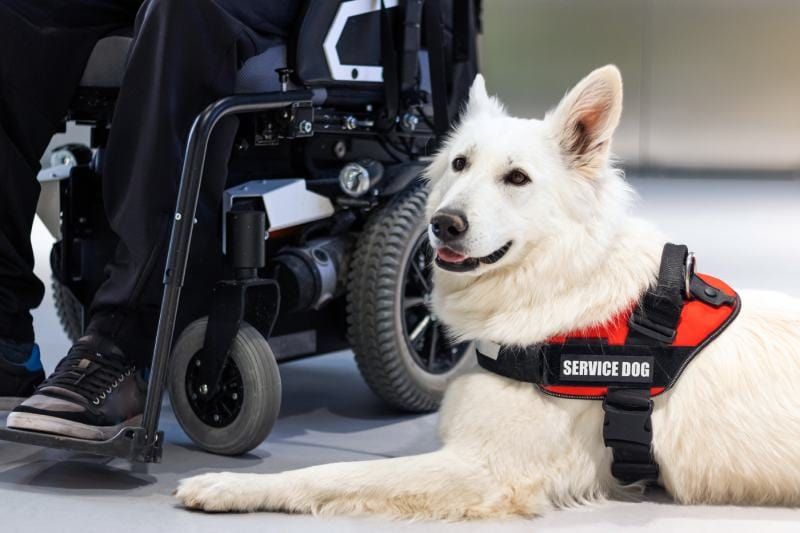
For example, a mobility assistance dog for a person in a wheelchair may be trained to open automatic doors or retrieve out-of-reach objects. Some dogs are trained as a brace and wear a harness to help people with strength or balance issues, allowing them to get in and out of chairs or the bed safely and securely.

Who’s Qualified to Have a Mobility Assistance Dog?
By law, someone who applies for a mobility service dog must have a developmental, physical, or psychiatric disability that qualifies them for the support of the service dog. There are unique regulations and rights for both the individual with the disability and the service dog that apply to transportation, lodging, and access to goods and services 1.
Some of the people with disabilities who may be qualified for a mobility assistance dog include:
People with disabilities that require devices like a wheelchair, scooter, cane, walker, braces, crutches, or lifts may be qualified for a mobility assistance dog. People who need additional help with standing, balancing, moving around, or interacting with people and the environment may also qualify.

What Tasks Can Mobility Assistance Dogs Perform?
Mobility service dogs often help owners brace to keep them from falling or assist with sitting or standing upright.
They can also perform tasks like:
Mobility assistance dogs are also trained to handle emergency situations and alert bystanders.
This can be done in several ways:

Breeds Suitable for Mobility Assistance
A lot of dogs have the intelligence, obedience, and loyalty to become a service dog, but there are specific breeds that are better suited for the unique requirements of a mobility assistance dog. They need to be the appropriate size to help with bracing or balancing, attentive and responsive without being easily distracted by the environment, and social and friendly.
Many of the ideal mobility assistance dogs are retriever types like Labradors and Goldens. These dogs have the right size and temperament to perform the work. Poodles are also a good choice for their trainability. Still, mixed breeds can perform well if they have the appropriate traits and undergo training.
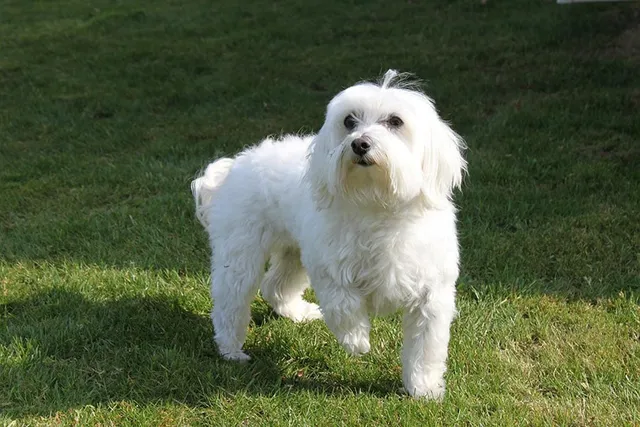
For mobility assistance that requires more retrieving than bracing, smaller breeds may be used. The important aspect of the work is that the dog is suited for the tasks and size of the owner rather than adhering to a specific breed.
Mobility Assistance Dog Training
Mobility assistance work is a tall order, so there’s no one-size-fits-all approach to training these dogs. These dogs are trained from the puppy stage, but they’re not introduced to stability work until they’re larger and finished growing. From that point, dogs are specifically selected and trained as prospective companions for particular individuals to ensure that their work is tailored to their needs.
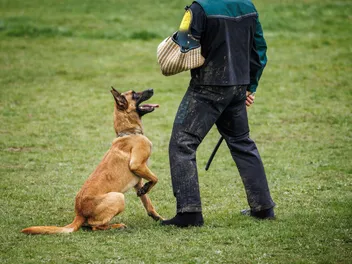
Generally, mobility assistance dog training is precise and rigorous. It’s vital for these dogs to perform unwaveringly in challenging and distracting environments. Their ability to perform can mean literal life or death for the owner. This is why they’re trained first on their own for a strong foundation, then introduced to training sessions with the owner to make sure there’s a good match.


Frequently Asked Questions (FAQs)
How Big Does a Dog Have to Be to Do Mobility Work?
According to the International Association of Assistance Dog Partners (IAADP), a mobility assistance animal should be at least 22 inches tall and weigh at least 55 pounds for a child or petite woman. An average adult should have a mobility assistance dog that exceeds 60 pounds.
How Can I Train My Dog to Be a Mobility Service Dog?
Though many dogs have some of the traits of a mobility service dog, it’s challenging work that not every dog is suited for. If you want to train your own dog to be your mobility service dog, it’s best to consult with a professional trainer skilled in selecting and training mobility assistance dogs for specific tasks. The other option is to call a vet and ask for an advice.
How Long Does It Take to Train a Mobility Service Dog?
Mobility service dogs, like other service dogs, undergo extensive training to reach the level of workmanship they need. Training requires a minimum of 120 hours and about six months, but an additional 30 hours of training in public settings may be necessary to ensure the dog has focus and attentiveness in distracting environments.

Conclusion
Mobility assistance dogs are a special type of service dog that help people with disabilities with retrieving items, balancing, or navigating public areas in their day-to-day lives. These dogs are literal lifesavers, but they also offer love and companionship that can brighten their owners’ lives.
Featured Image Credit: 24K-Production, Shutterstock
Expert dog care, straight to your inbox
Vet-reviewed advice, training tips, and the best of Dogster. Free, and you can unsubscribe anytime.
By signing up, you agree to our Terms & Conditions and Privacy & Cookies Policy.
Nicole has loved animals of all sizes her whole life so it's no wonder she has dedicated her career to helping them through what she loves best: learning, writing, and sharing knowledge with others. She’s the proud mom of two dogs, a cat, and a human. With a degree in Education and 15+ years of writing experience, Nicole wants to help pet parents and pets around the planet to live happy, safe, and healthy lives.
Join the conversation
Ask a question, share your story, or send private feedback.