How Much Does a Shiba Inu Bark? Vet-Reviewed Vocalizations, Health & Anxiety


In this article
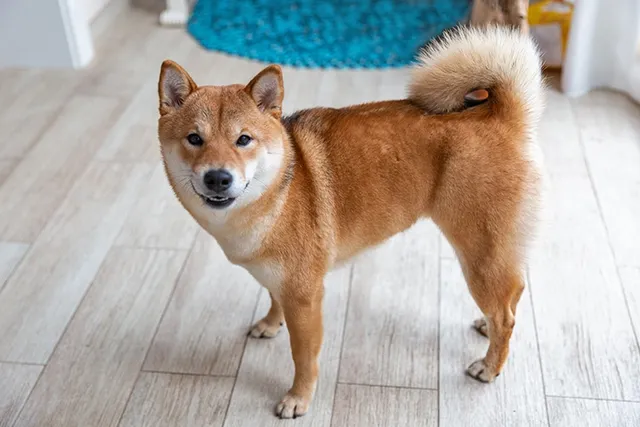
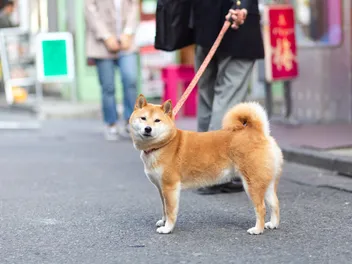
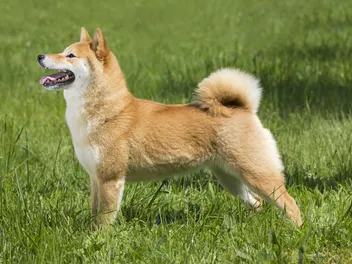
The Shiba Inu is a Japanese dog breed that’s slowly gaining popularity around the world. And it’s clear why that is, given they are typically loyal to a fault and quite independent. In fact, this could also be the explanation as to why Shibas hold a special place in Japanese culture.
Sadly, though, these dogs are not always as obviously affectionate as traditional dogs. Whenever they walk into a room, they’ll try to maintain a certain social distance, for reasons best known to them. They are relatively quiet when compared to some other breeds and prefer using other avenues to express their desires. Thus, making them the best companions for city dwellers who prefer apartment living, as long as they receive their daily exercise, mental stimulation, and consistent training.
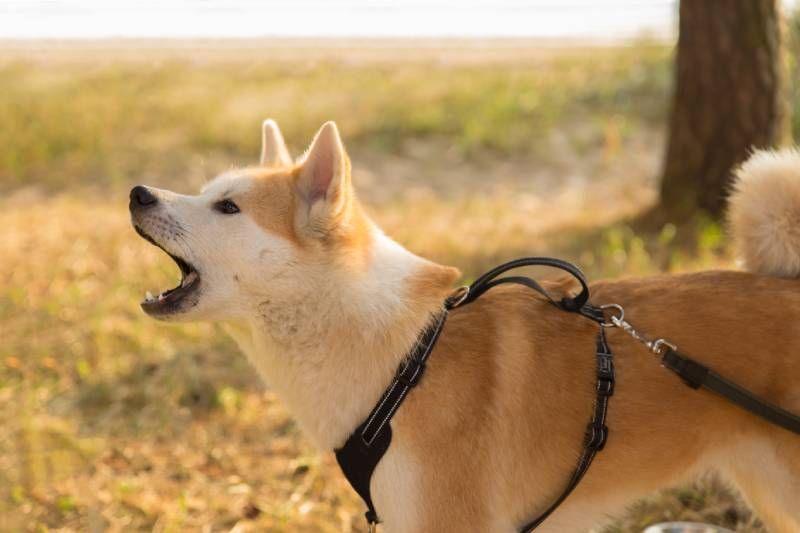
However, Shiba Inus can be vocal when excited, anxious, or alert. They are known for a distinctive “Shiba scream” when distressed. Then again, that doesn’t mean that you’ll never hear them bark. You certainly will, but not quite as often as other dog breeds.

What Would Compel a Shiba Inu to Resort to Barking?
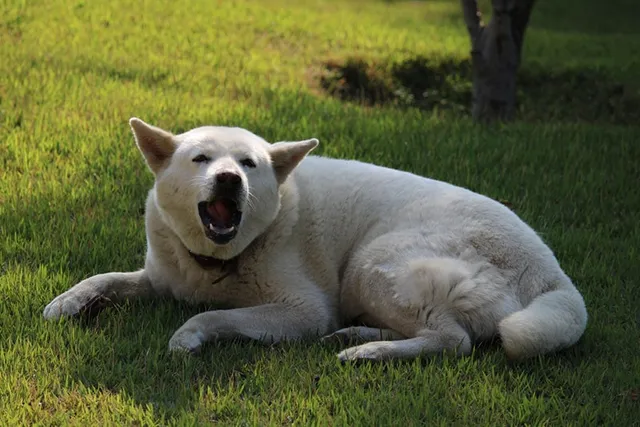
First off, barking is not an abnormal behavior in the canine community. Since they can’t talk the same way humans do, they’ll bark to communicate their feelings or needs. In other words, you shouldn’t be alarmed when you hear your Shiba Inu bark. They may bark when they’re excited, anxious, bored, or trying to get your attention. This can include alerting to the presence of strangers, reacting to other dogs, or expressing curiosity.
Excessive barking in a Shiba Inu is usually a sign that something is bothering them—this could be boredom, insufficient exercise, anxiety, or sometimes pain. It’s important to observe the context and try to address the underlying cause. For example, providing mental stimulation, regular walks, and regular exercise and training can help prevent unwanted barking.

How Do You Stop a Shiba Inu from Barking?
Start by understanding the triggers. What’s that thing that’s making your Shiba Inu bark uncontrollably? They may be barking to get your attention, in which case ignoring them may be a good approach. Reward your Shiba Inu when they respond calmly to a trigger, rather than barking. For other types of barking, such as alerting or fear, observe the context carefully and adjust your approach.
Behavioral modification is also an option, and this can be achieved by some simple obedience training techniques. Through positive reinforcement, you can easily teach your Shiba Inu how to behave in certain situations. For example, randomly barking at other dogs, even if they aren’t invading their personal spaces, is not an acceptable behavior in a public setting.
You’ll have to be patient and consistent with training, or your Shiba won’t grasp the concepts as fast as you’d like them to. Also, refrain from visibly getting upset or shouting at them whenever they fail to understand your commands. Shiba Inus are highly intelligent, hence able to see the disappointment written all over your face. Consult a vet to get some advice on the best training techniques for your Shiba Inu.
What Are Other Shiba Inu Vocalizations?
This breed has a very distinctive howl. Almost like a wolf’s howl, but a watered-down version. But that shouldn’t be surprising because the Shiba breed is a primitive breed with ancient lineage, retaining some traits not much different from wolves. They’ll howl any time they wish to announce their presence, make contact with other members of the pack, or grab the attention of the people around them.
If they are in a combative mood, they’ll growl—an indication that they don’t want to be disturbed, even if you’re only interested in petting them.
Whining is the other common vocalization, as they often use it whenever they feel sad, bored, or attention-deprived. Some of them whine when they feel uncomfortable in their current situation, or when they are stressed. You should be able to understand their wants and needs by reading their body language. Fortunately for us, dog cues are not as complex or difficult to comprehend as ours.
There’s also the “Shiba Scream”—a loud, high-pitched scream. The scream is a distinguishing trait in this breed, as they produce them any time they are unhappy about something or feel provoked. This sound can also be precipitated by pain, medical disorders, excitement, or anxiety.

Do Shiba Inus Bark When They Are Unwell?
If the disease is the kind that’s often accompanied by discomfort or pain, they may bark more than usual. It is one of the only ways that they communicate their discomfort. You have to take those barks seriously, even if there are no physical signs of any illness. Immediately take the dog to an experienced vet for a thorough examination. They’ll point out what the issue is and make an accurate diagnosis.
Is the Shiba Inu Prone to Separation Anxiety?
Many Shiba Inus cope well with being left alone for a few hours, but some are prone to separation anxiety. In fact, they’ll be appreciative if you give them some “me time,” seeing as they are independent and enjoy their own space.
That being said, you still have to make sure not to be absent for too long and that they have more than enough food and water, as well as toys that will deliver some form of mental stimulation. Without adequate enrichment, some dogs may become destructive whenever they are bored. They should get plenty of physical exercise, mental stimulation, and attention before being left home alone.

Summary
The Shiba Inu is not your typical kind of dog. They don’t bark quite as often as other breeds or make unnecessary noises without cause. This breed is also more reserved than most dogs, but uses the same vocalizations to communicate their feelings and emotions. The “Shiba scream” is a distinguishable trait, though!
Sources
Featured Image Credit: dikkenss, Shutterstock
Expert dog care, straight to your inbox
Vet-reviewed advice, training tips, and the best of Dogster. Free, and you can unsubscribe anytime.
By signing up, you agree to our Terms & Conditions and Privacy & Cookies Policy.
Nicole has loved animals of all sizes her whole life so it's no wonder she has dedicated her career to helping them through what she loves best: learning, writing, and sharing knowledge with others. She’s the proud mom of two dogs, a cat, and a human. With a degree in Education and 15+ years of writing experience, Nicole wants to help pet parents and pets around the planet to live happy, safe, and healthy lives.
Join the conversation
Ask a question, share your story, or send private feedback.