
You’ve decided you’re ready for a dog. You’ve pictured the walks, the cuddles, the Instagram-worthy moments. But then reality hits: training. Teaching commands, curbing bad habits, and preventing your new puppy from turning your favorite shoes into chew toys. If you’ve never owned a dog before, the thought of training one can feel overwhelming—especially if you’re not sure where to start.
Here’s the good news: some dogs are naturally easier to train than others. And if you’re leaning toward a smaller breed (whether for space, lifestyle, or just preference) there are plenty of smart, eager-to-please options that won’t make you feel like you’re in over your head.
Training isn’t just about obedience. It’s how you bond with your dog, build trust, and create a relationship where they actually listen when it matters. A well-trained dog is a happier dog, and a happier dog makes for a much better companion. So if you’re considering adopting your first pup, starting with a breed that’s naturally trainable can make all the difference.
Here are 10 of America’s most popular small dog breeds known for being smart, responsive, and genuinely enjoyable to train.

What Makes a Dog “Easy to Train”?
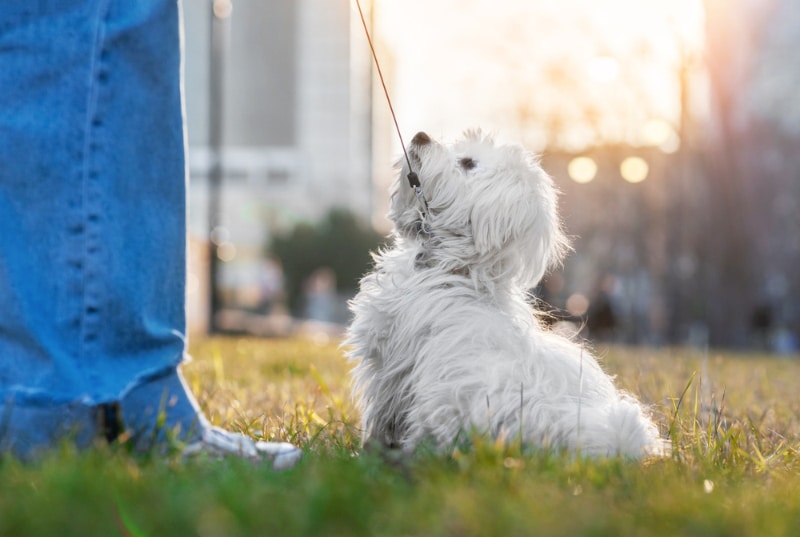
For this list, we’re focusing on dogs weighing less than 30 pounds, though some of these breeds are even smaller, falling into the “toy” category at under 15 pounds.
Ease of training comes down to a mix of intelligence, eagerness to please, and temperament. Many of the dogs below were originally bred as working dogs, which required higher-than-average intelligence and the ability to follow commands quickly. That history often translates into dogs that learn fast and genuinely enjoy having a job to do—even if that job is just mastering “sit” and “stay.”
That said, every dog is an individual. Breed traits give you a helpful starting point, but your consistency, patience, and training methods matter just as much.
The 10 Most Popular Small Dogs That Are Easy to Train
1. Toy Poodle

Toy Poodles are highly intelligent and eager to please, which makes them exceptionally trainable. These “thinking” dogs pay close attention to their humans and respond eagerly to positive reinforcement. Originally bred as water retrievers, they worked alongside hunters to bring back ducks and other birds so they’re hardwired to follow commands and solve problems.
2. Bichon Frise
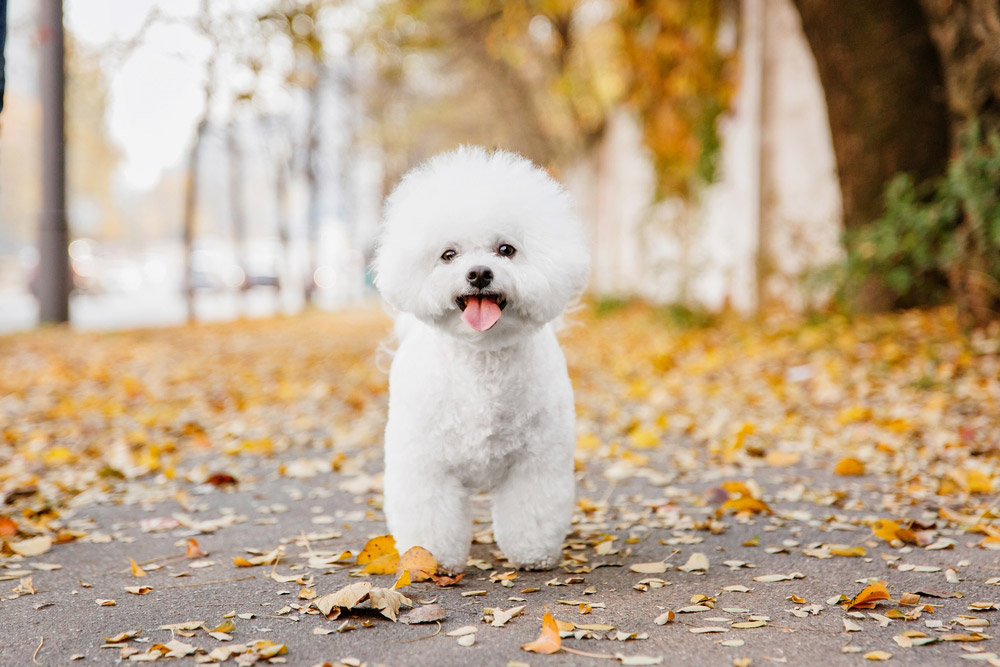
The Bichon Frise is a quick learner with exceptional emotional intelligence. They’re gifted at reading the room and knowing who needs their love and attention most. Originally developed as sailing and herding dogs, the French later refined the breed into gentle companions and lap dogs but their smarts remain intact.
3. Miniature Schnauzer

Miniature Schnauzers are friendly, eager to please, and quick learners. Their high intelligence means they can get bored easily, so training sessions should be creative, varied, and kept short. Like many small breeds, they were originally bred to catch rats on farms, a job that required sharp instincts and responsiveness.
4. Pomeranian
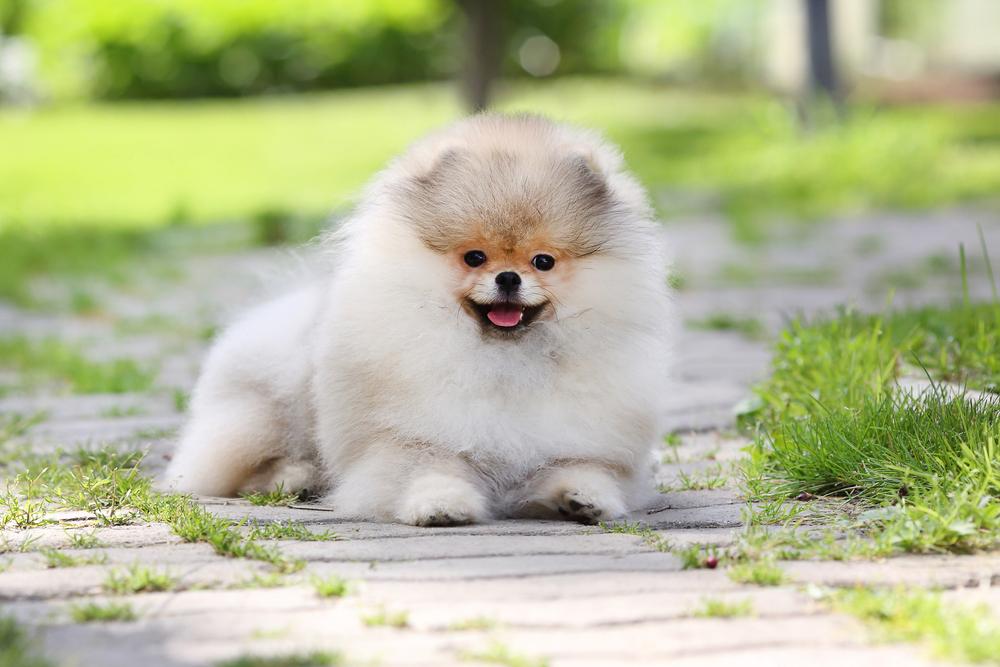
Pomeranians are spunky, intelligent, and generally easy to train, though they can have an independent streak. Despite their tiny size, they can excel at dog sports like agility and obedience. Modern Poms are toy breeds kept as companions, but the original Pomeranians were about twice the size and were developed to herd and guard livestock.
5. Cavalier King Charles Spaniel
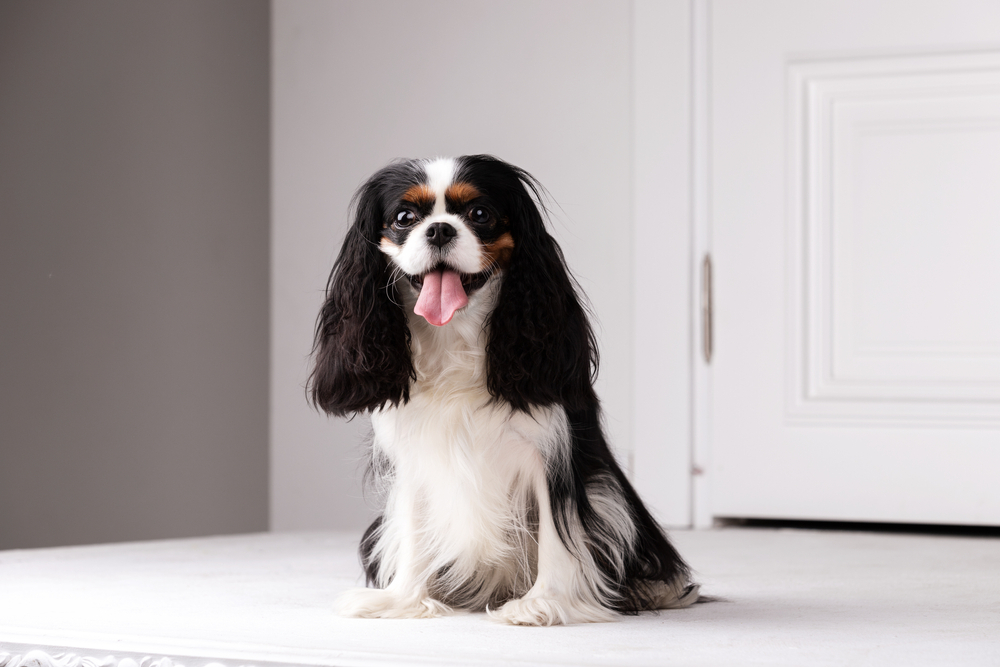
This breed is smart, trainable, and genuinely enjoys learning new commands and tricks. They can be sensitive, so staying patient and calm during training is important. Cavaliers can excel in canine sports like agility and obedience, despite being originally bred as lap dogs.
6. Boston Terrier
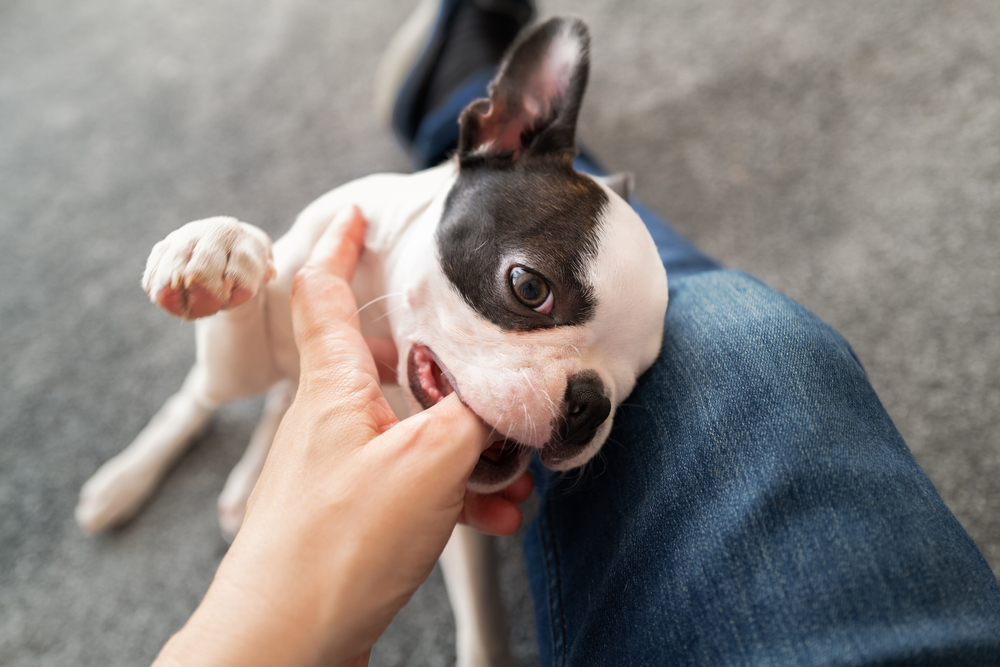
Boston Terriers are intelligent and eager to please, making them relatively easy to train. They do best with short, varied training sessions to prevent boredom, and they respond enthusiastically to positive reinforcement like rewards and high-value treats. Interestingly, Boston Terriers were originally bred for dog fighting but the modern breed is much smaller and gentler than their ancestors.
7. Pembroke Welsh Corgi
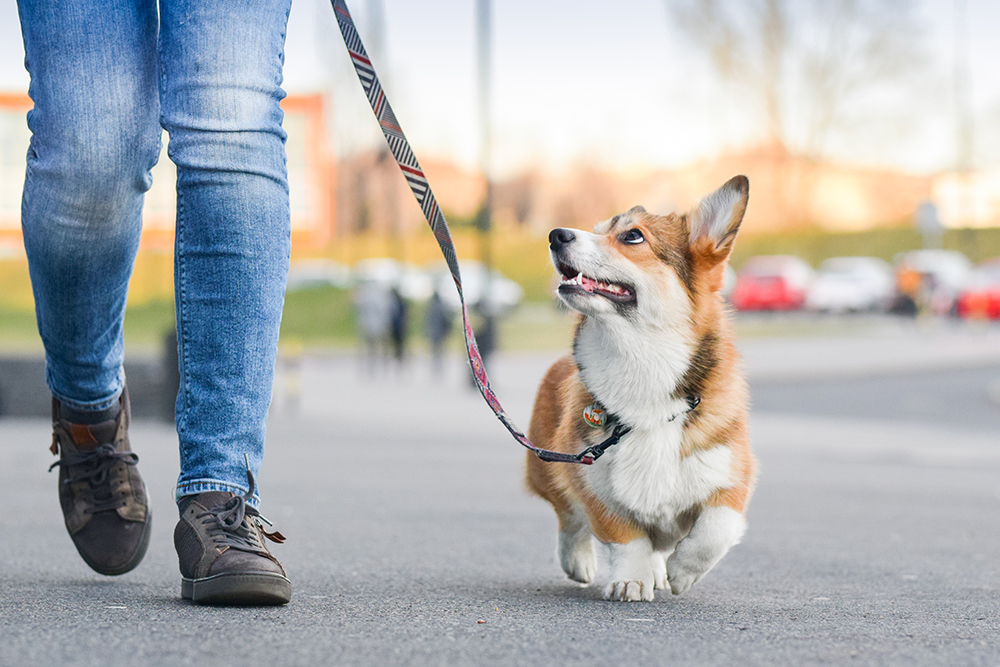
Corgis are sturdy, extremely intelligent dogs. According to canine intelligence expert Dr. Stanley Coren’s research, they rank as the 11th smartest breed. They excel in various canine sports, including agility, tracking, and herding. Their high intelligence and eagerness to please make training straightforward and rewarding. Originally developed as herding dogs and farmyard guardians, they still have that working-dog drive.
8. Toy Fox Terrier
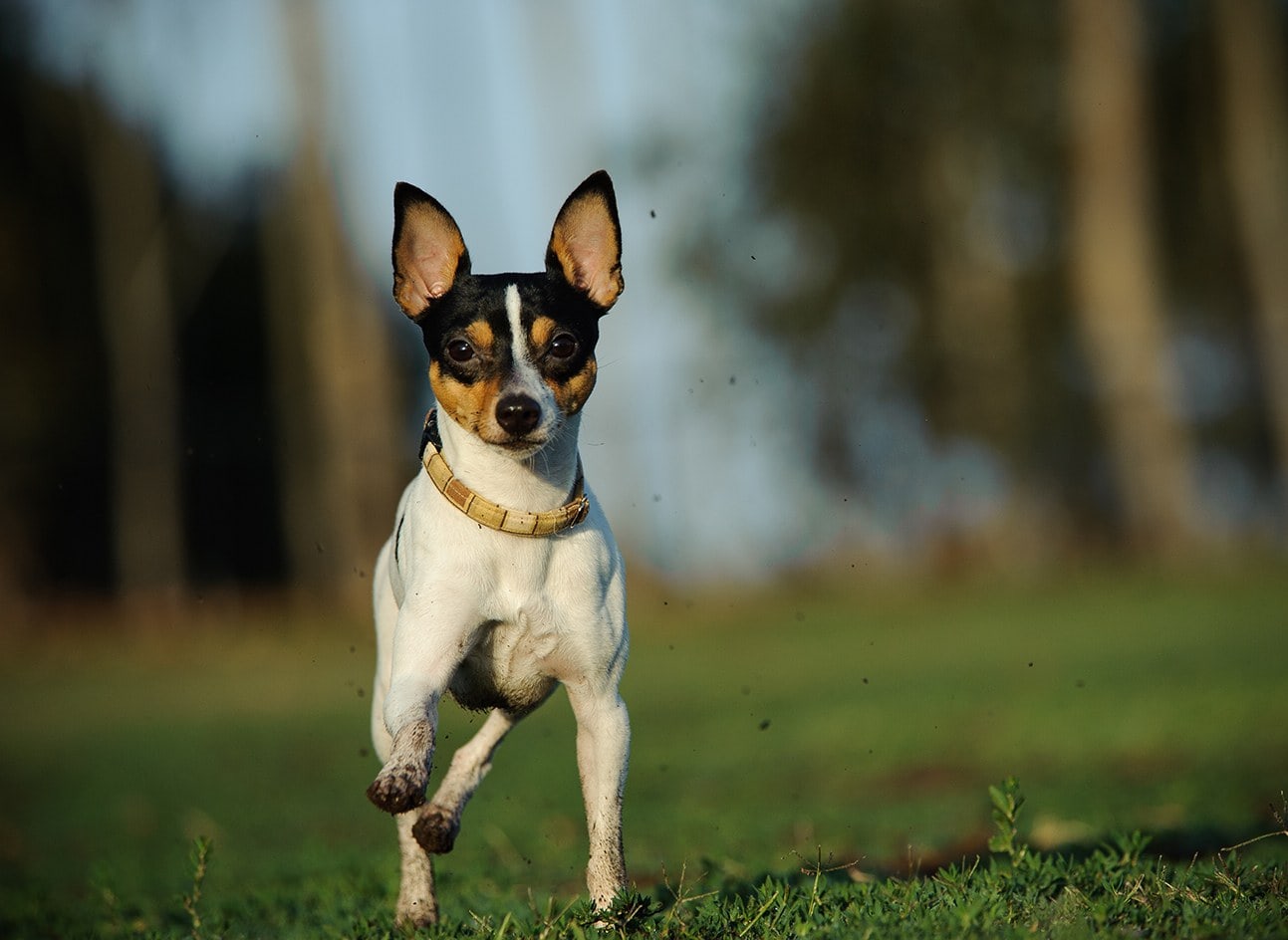
The Toy Fox Terrier is tenacious, intelligent, and naturally extroverted. These loyal and lively pups are easy to train and genuinely enjoy a wide range of activities, from hunting to dog sports to lounging on the couch with their favorite humans. Like other terriers, they were originally bred to hunt vermin.
9. Maltese
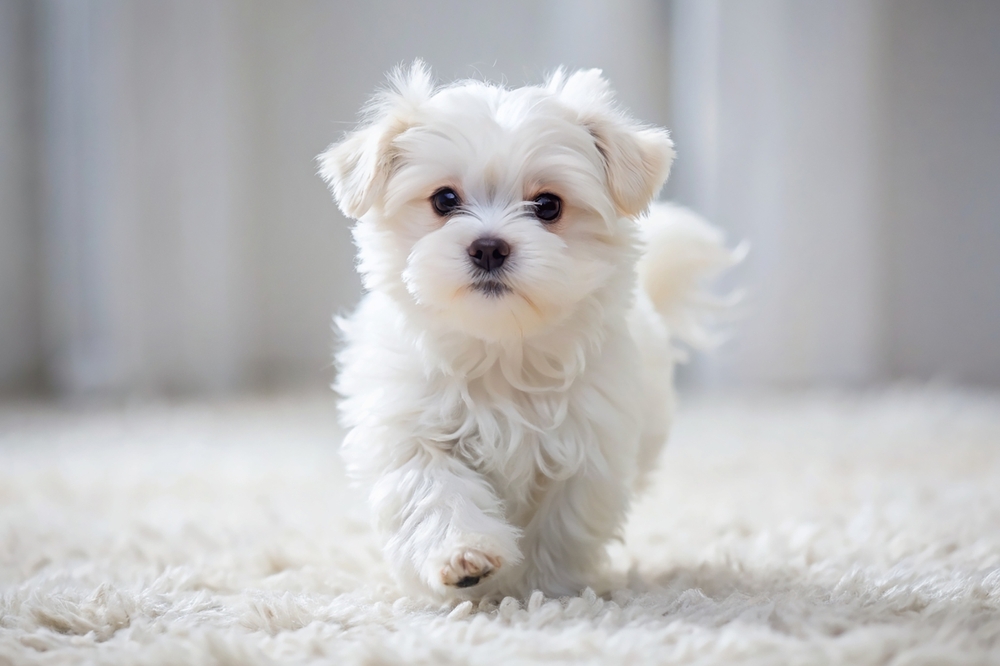
The Maltese is eager to please and usually quite responsive to training. They seem to enjoy learning new commands and showing off new tricks, and they can even excel in canine sports like agility and obedience. The original Maltese dogs were highly valued pets of the wealthy and aristocratic people of Malta.
10. Miniature Rat Terrier
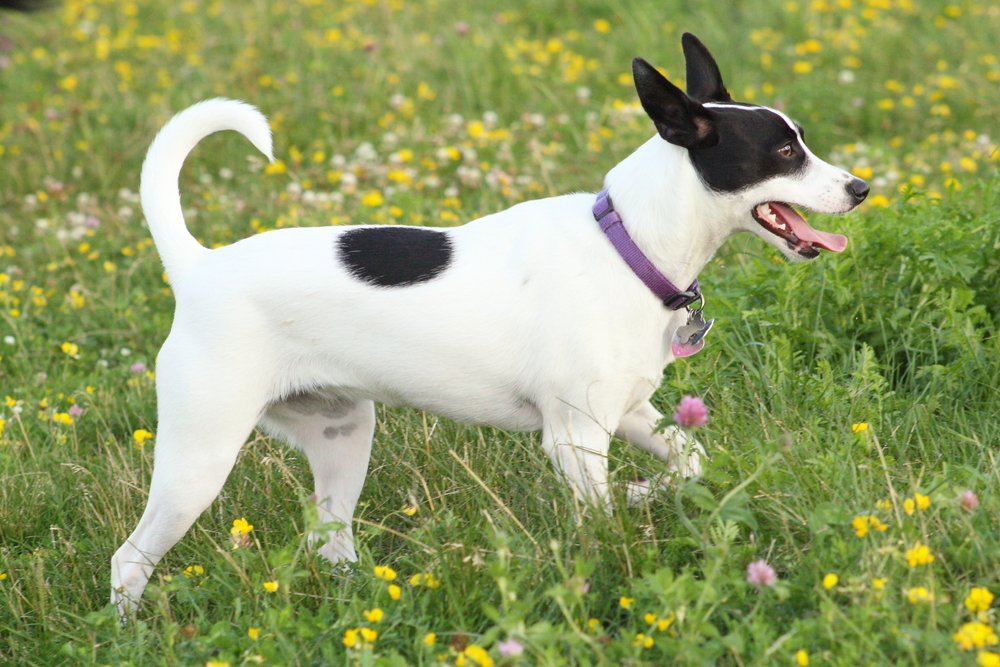
The Miniature Rat Terrier is bright, agile, and equipped with the expert hunting skills and intelligence you’d expect from terriers. Training sessions need to be short, fun, and rewarding. This breed does well in various dog sports, including agility, flyball, and scent work.
The Bottom Line
Training a dog doesn’t have to feel like an uphill battle especially when you choose a breed that’s naturally eager to learn. Whether you’re a first-time dog owner or just looking for an easygoing companion, these popular small dogs are excellent choices.
Remember, breed traits give you a helpful starting point, but every dog is unique. Your consistency, patience, and training methods will ultimately shape the experience. If you’re thinking about bringing home a new puppy, choosing one that’s naturally trainable can make those early months far less stressful and far more rewarding. Your future self (and your dog) will thank you.
Feature Image Credit: Gorodenkoff, Shutterstock
Did You Know?
 What Makes a Dog “Easy to Train”?



















2 Responses
I was genuinely surprised Pugs were not on the list as I have owned three. One now, and two in the past. They are so joyfully, and easy to train. I also owned a Toy Poodle who I loved deeply until she died at a little over 17 years old. She was smarter yet, but a little yappy. 😉 She did many tricks, and it was easy for to see why toy poodles are ‘circus’ dogs. So, I was glad to see toy poodles listed first.
Hello Beverly,
thank you for your lovely message. First of all, I am sorry to hear about your Toy Poodle's passing. She sounds like an amazing pup.
We agree that Pugs are little balls of joy, but this energy could make them a bit harder to train for some people. It seems that you are a great dog trainer 🙂