
DIY Repellents for the Dog Who Thinks Everywhere Is His Toilet


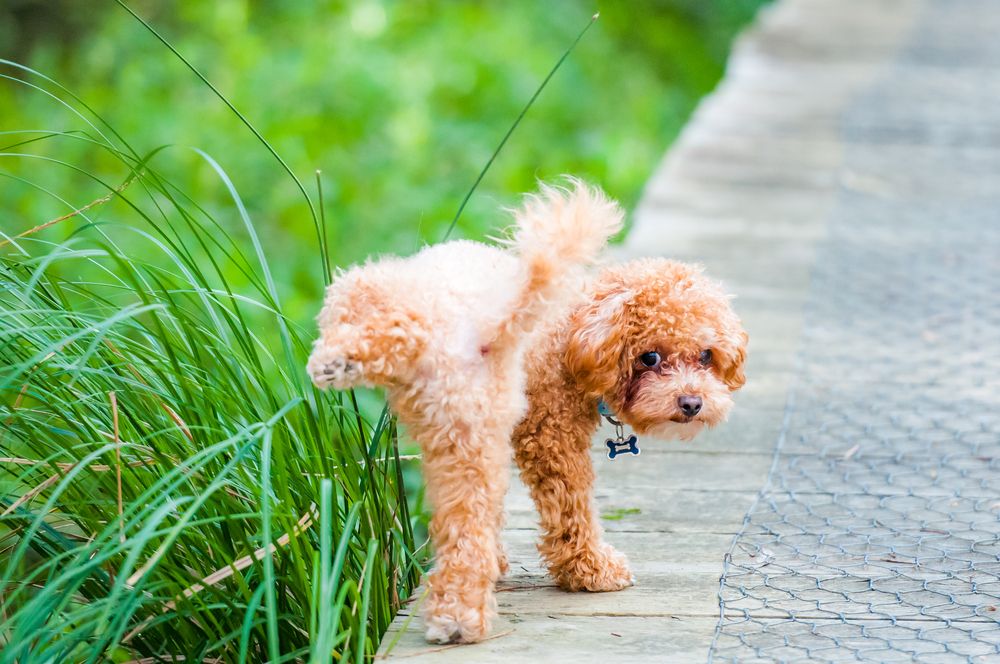
Dog urine and everything nice have a complicated relationship. One thrives, the other suffers, and if you're reading this, you already know which one is winning at your place. Whether the culprit is your own dog or maybe one that belongs to someone three houses down, going into your yard, the fix doesn't have to come in an expensive bottle from the pet store.
You likely have most of what you need already sitting in your pantry.
One Step You Can't Skip
Before you spray anything, clean the problem area thoroughly. Dogs return to the same spots because their noses detect faint urine odors that humans can't smell at all. Standard cleaners often leave behind trace compounds that act like a welcome mat. Enzymatic cleaners are formulated to break those compounds down completely, making it far harder for a dog to find the spot again. Skipping this step means you're working against yourself.
Also worth noting: keep pets away from any of these mixtures until they've fully dried or absorbed. Several of the solutions below can cause stomach upset or worse if ingested directly.

The 12 Homemade Dog Pee Repellents
1. Citronella Oil
The same intensity that makes citronella effective against mosquitoes works on dogs, too. The strong scent is enough to make most dogs move along before they mark. It's non-toxic to people and wildlife, but high concentrations can irritate a dog's respiratory system, so dilute it and spray sparingly. It's also pungent enough to bother people nearby, so keep this one strictly outside.

2. Sour Apple Essential Oil Spray
A few drops of sour apple essential oil diluted in water or a neutral oil creates a smell that's pleasant to people but off-putting to dogs. Don't apply it directly to plants, and make sure no dog can access the undiluted oil. It dissipates fairly quickly, so reapplication is part of the deal. Find it online or at health food stores for a reasonable price.
3. Hot Chili Powder
If you've ever used chili powder to keep squirrels away from a bird feeder, you already know how this works. Dogs react similarly. Apply it sparingly since it can irritate sensitive noses, and avoid light-colored surfaces where it may stain. The upside is that it tends to deliver results fast and usually only needs one application.
4. Cinnamon-Citrus Spray
This combination pairs two scents that many dogs dislike. Dilution is essential since both ingredients can irritate when concentrated, and citrus can actually be toxic to dogs in larger amounts, so use as few drops as necessary. Like most essential oil mixtures, it evaporates quickly, especially after rain.

5. Vinegar and Citrus Spray
White distilled vinegar combined with citrus creates a strong scent deterrent that works on most dogs. Apple cider vinegar is a reasonable substitute. The high acidity makes it harmful to plants, and the smell is potent enough that you'll want to keep windows closed when applying it nearby. It evaporates quickly but is one of the more reliable options on this list.
6. Lemongrass-Peppermint Solution
This one smells genuinely pleasant, which makes it an easier sell for indoor-adjacent areas. Add a few drops of each oil to a spray bottle with water. Keep it away from cats since self-grooming after contact with lemongrass can cause reactions if they ingest enough. There's also a risk of stomach upset for dogs if they lick it directly.
7. Vinegar Solution
A simple 1:4 ratio of white vinegar to water gets to the point. The sharp smell deters most dogs on contact. Avoid using it near plants and reapply regularly since it breaks down fast, especially after precipitation. Rotating application spots helps maintain effectiveness.

8. Rubbing Alcohol Mixture
Diluted rubbing alcohol creates an intense scent that discourages dogs from approaching. It's water-based, which means it won't survive rain and needs frequent reapplication. Keep it away from pets entirely since it's toxic if ingested.
9. Citrus Water Spray
Orange, lemon, or lime essential oil in water gives you a solution that most dogs and cats dislike. It also lingers longer than some other options. Citrus can cause skin irritation and stomach issues in pets, so keep it where animals can't get into it directly.
10. Black Pepper Oil
This one takes a little prep. Simmer a tablespoon of crushed black peppercorns in half a cup of neutral oil for a few minutes, let it cool, then strain it. The resulting oil is a solid deterrent, but it goes rancid quickly unless refrigerated, and it can stain surfaces. Use it sparingly since it's irritating at close range.

11. Chili-Black Pepper Oil
Follow the black pepper oil recipe and add a tablespoon of crushed red pepper flakes for a stronger result. Don't let the mixture boil since it releases fumes you don't want to breathe indoors. This combo can stain even more than black pepper alone, so be selective about where you apply it.
12. Citrus Peels
Tie fresh citrus peels in a cheesecloth and hang them near the areas you want to protect. It's the simplest option on the list. The catch is that citrus peels can attract ants and rodents, so place them away from your home. Keep them completely out of reach of pets since citrus fruit is toxic when ingested in quantity.


If You Want a Longer-Term Fix
Repellents manage the symptom. Addressing the behavior gets to the root of it. Dogs mark to communicate with other dogs, claim territory, or cover existing scents. It's instinctive, which means it won't stop on its own without some guidance.
Positive reinforcement is the most effective training approach. Designate a specific area for your dog to use, reward them consistently when they use it, and redirect them there when they start heading toward off-limit spots. Crate training can also help since dogs naturally avoid soiling where they sleep.
For persistent issues with neighborhood dogs, a motion-activated sprinkler is one of the most effective deterrents available. And if you're dealing with a dog whose marking behavior has become difficult to manage, your vet can point you toward solutions tailored to your specific situation.
Feature Image Credit: Ching Louis Liu, Shutterstock
Did You Know?
- Our brand-new posts are rounded up and included in our weekly emails. Don't miss out on the latest - sign up for our newsletter below!
Expert dog care, straight to your inbox
News, insights, expert advice, and everything dog.

No spam — unsubscribe anytime.
By signing up, you agree to our Terms & Conditions and Privacy & Cookies Policy.
How useful was this post?
Click a star to rate. You can leave written feedback afterwards. (We read all feedback.)

Dan has been working in the dog world for over 4 years, covering dogs and all other pets, helping pet parents keep their companions happy, healthy, and totally spoiled! Originally from London, Dan now works remotely, which sadly means no pets at home, but plenty of opportunities to fuss over other people's furry friends.