In this article
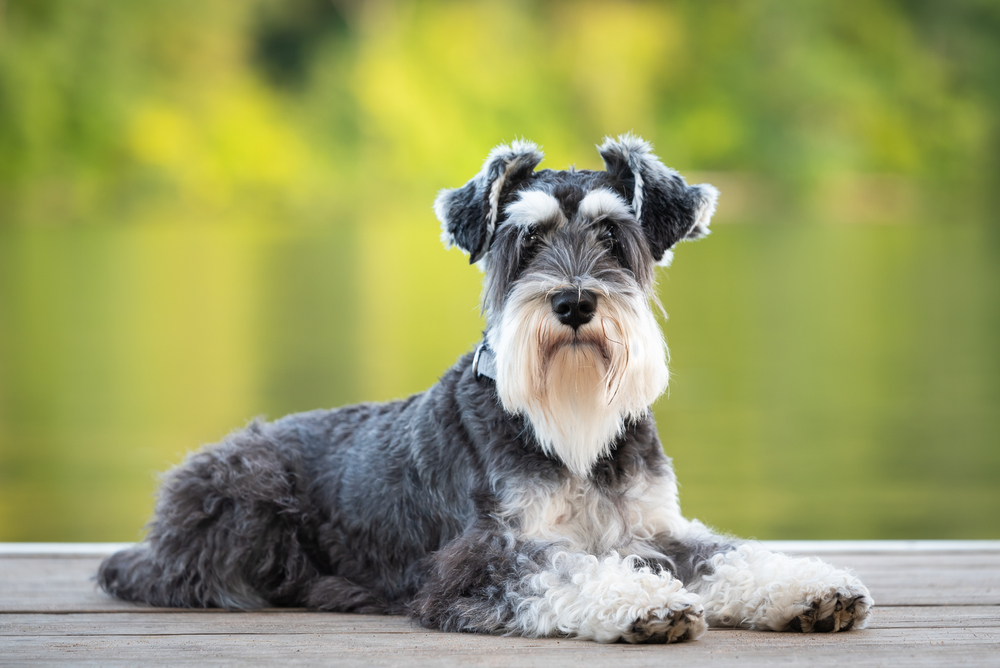
View 8 More +It’s no surprise that the Miniature Schnauzer is a popular breed that is widely recognized throughout the world. They’re known for their beard cut, but many people are also familiar with their outgoing, friendly personality. Miniature Schnauzers were bred to be ratters, so they have bursts of energy and are quite agile and athletic. They make life more fun and love entertaining others. So, if you’re looking for a social and playful companion, the Miniature Schnauzer just might be the breed for you.
Breed Overview
Height:
12–14 inches
Weight:
11–20 pounds
Lifespan:
12–15 years
Colors:
Black, silver, salt and pepper
Suitable for:
Families with children, apartment living, allergy sufferers
Temperament:
Bright, intelligent, social
Miniature Schnauzers were bred from the Standard Schnauzer and have been around for centuries. They’ve remained popular throughout the years and with good reason. Miniature Schnauzers are excellent family dogs with bright and cheery personalities. They have a great sense of humor and can get into mischief occasionally, but you’ll surely get a good laugh out of it.
Miniature Schnauzer Characteristics

Miniature Schnauzer Puppies
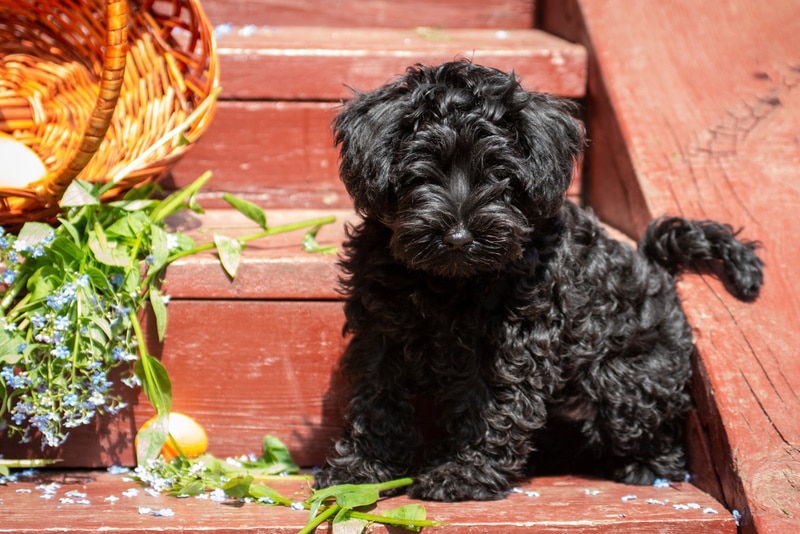
The Miniature Schnauzer is a relatively popular breed, and you can usually locate a breeder near you. You can start your search by looking through the American Kennel Club (AKC) Marketplace or The American Miniature Schnauzer Club’s breeder registry. Sometimes, your local animal shelter may have a Miniature Schnauzer ready for adoption. However, this is fairly uncommon, and it’s also more likely for dogs to be a mixed breed with a Miniature Schnauzer in their lineage.
As puppies, Miniature Schnauzers are playful, friendly, and affectionate. They naturally gravitate toward people and may be shyer or more hesitant around other dogs. It’s important to start socializing a Miniature Schnauzer as early as possible to build their confidence around other dogs and new environments. Puppies that don’t get exposed to different settings are more likely to become more timid or anxious.
Miniature Schnauzer puppies are curious and like to explore. So, it’s important to puppy-proof your home to ensure they stay out of trouble. Store any potentially hazardous items, like household cleaners, in locked and secured spaces. Protect your electrical outlets, and leave electrical cords unplugged or out of reach.
Miniature Schnauzer Origin & History
Miniature Schnauzers originate from Germany. They were bred and developed by crossbreeding their larger Standard Schnauzer relatives with smaller breeds. Miniature Schnauzers have Miniature Pinschers and Affenpinschers in their ancestry, and Poodles and Pomeranians may also be included in the mix.
Miniature Schnauzers were originally bred to be hunters and ratters. They lived on farms and were used to chase away rats, voles, and other small rodents. It’s unclear when the first one appeared, but the earliest record of this breed dates back to 1888 in a document that identified a black Miniature Schnauzer named Findel.
Temperament & Intelligence of the Miniature Schnauzer 🧠
It’s no surprise that the Miniature Schnauzer is a popular breed. Along with having a charming appearance, these dogs are naturally people-oriented and would love nothing more than to spend all day with their favorite people. They’re playful and enjoy playing various games, including fetch and tug. They’re also relatively extroverted and won’t shy away from the spotlight. They provide a lot of entertainment and laughter to their families and are usually friendly with strangers.
Miniature Schnauzers are also known for their intelligence. Once they get a good grasp on basic obedience training, they become quick learners. They’re a talented breed capable of having numerous tricks in their repertoire. Since Miniature Schnauzers love receiving attention, they’re usually highly motivated to learn tricks that garner attention and praise.
Miniature Schnauzers aren’t self-absorbed, snobby dogs, even if they love the spotlight. They have a lot of love and affection to give. Some can even become successful therapy dogs. Along with being people-oriented, Miniature Schnauzers have low-shedding coats, so they may be more suitable for allergy sufferers.
Despite being bred as ratters, Miniature Schnauzers are companion dogs that value human companionship. They’re loyal to their families and don’t do well when they’re left alone for too long. They’re not the best match for people with busy lifestyles. Miniature Schnauzers are family dogs and do best in homes where at least one person is around to keep them company.
Are These Dogs Good for Families? 🏡
Miniature Schnauzers make excellent family dogs. They can be playful companions for children, and their small size makes them less intimidating than larger Standard Schnauzers and Giant Schnauzers. Miniature Schnauzers are friendly and aren’t known to be aggressive toward children. However, it’s still important to set up proper introductions between Miniature Schnauzers and children. Some kids may feel overwhelmed by a Miniature Schnauzer’s energy, especially when the dog is excited or playful. Therefore, it’s crucial to teach Miniature Schnauzers to be gentle and not to try to jump on children.
Children must also learn how to treat Miniature Schnauzers respectfully. It’s essential to go over how to pet dogs and to not touch their faces, paws, and other sensitive areas. Make sure to supervise all initial interactions between dogs and children and help children identify signs that indicate that a dog wants to be left alone.
Does This Breed Get Along With Other Pets?🐶 😽
Miniature Schnauzers can get along with other dogs, especially if they grow up with them. However, they also don’t mind being the only dog in the house and may prefer it. So, bringing home another canine companion for them is not always necessary.
Due to their strong prey drive, Miniature Schnauzers usually can’t be trusted around other types of pets. They may be particularly curious about small mammals, including hamsters, gerbils, and pet rats. Pet birds may also feel stressed out if there’s a Miniature Schnauzer in the house.
Things to Know When Owning a Miniature Schnauzer:
Food & Diet Requirements🦴
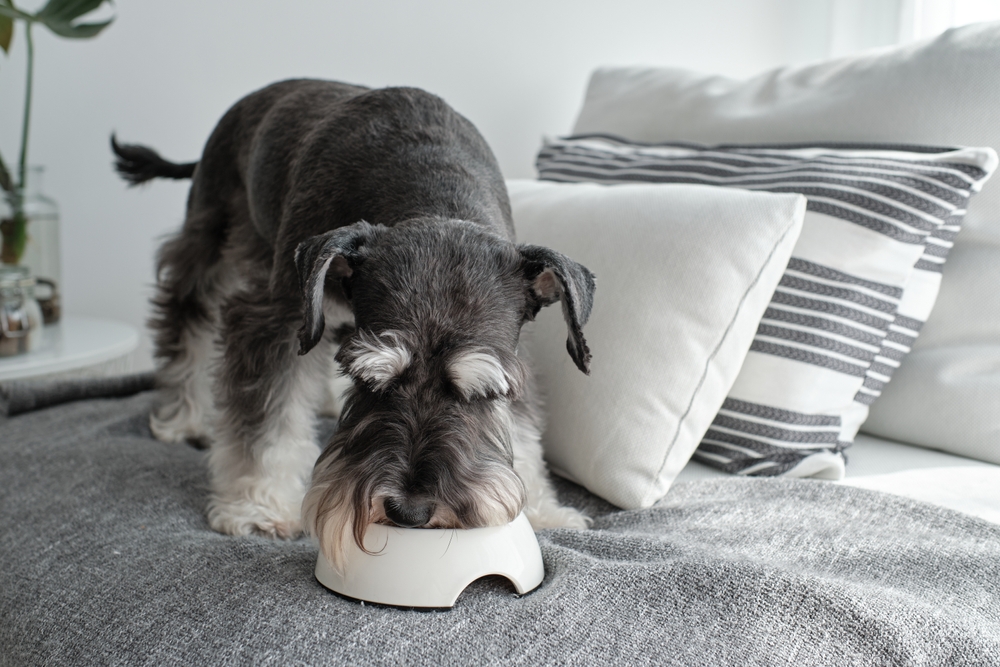
Miniature Schnauzers benefit from eating high-quality dog food specially formulated for small breeds. Small dogs have higher metabolic rates, and their food is typically more calorie-dense than food formulated for large breeds. Small dogs also benefit from having two to three meals throughout the day.
It’s best to consult your veterinarian about portion sizes. They can track your Miniature Schnauzer puppy’s growth and measure their weight to determine how much food they need daily. You can also usually get recommendations for food brands that best match your dog’s nutritional needs.
Exercise🐕
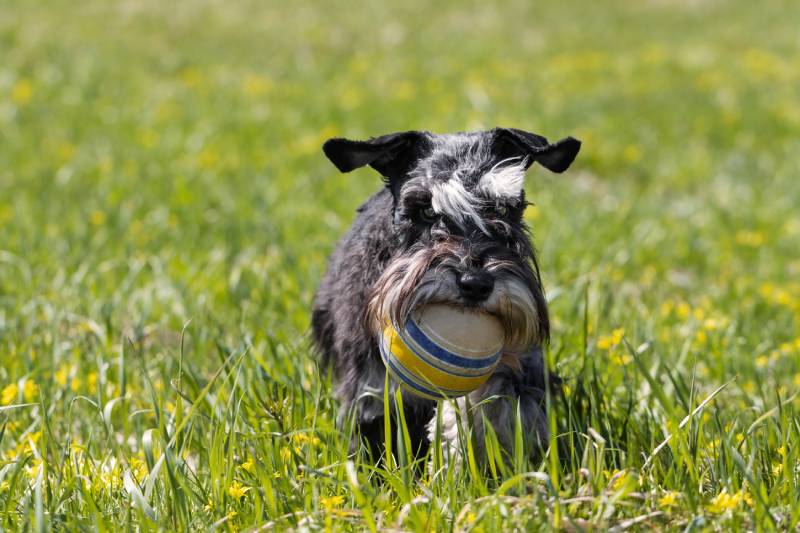
Don’t let the Miniature Schnauzer’s small size fool you. These dogs are playful and energetic and require 30 to 45 minutes of exercise daily. They enjoy going on walks and roaming around off-leash in a fenced yard. Miniature Schnauzers are also known for being enthusiastic participants in agility courses. So, agility course training can be an excellent way for them to meet their physical and mental exercise needs. Some Miniature Schnauzers may enjoy playing with other dogs at the dog park. However, since they’re more people-oriented, they may not be as engaged or have as much fun playing with other dogs.
Miniature Schnauzers are intelligent dogs that need mental stimulation to stay happy and healthy. So, it’s vital to incorporate enrichment activities and challenges into their daily routine. They’ll like solving dog puzzles and playing with treat-dispensing toys. They’ll also enjoy it when you hide treats around the house for them to sniff and find.
Training 🦮
Miniature Schnauzers are intelligent dogs that are relatively easy to train. However, they can have a strong stubborn streak, so it’s essential to be firm, fair, and consistent with your training. Miniature Schnauzers won’t listen to anyone they don’t trust, so it’s equally important to invest in bonding time with your Miniature Schnauzer. They become easier to train as you gain their trust.
When training a Miniature Schnauzer, it’s crucial to be mindful of your tone. Never punish or yell at a Miniature Schnauzer, as this is detrimental to their self-confidence. They’ll be more likely to double down and be unwilling participants. Short and frequent training sessions with plenty of praise, encouragement, and treats work best with Miniature Schnauzers.
It’s also important to keep in mind that polite leash walking and potty training can be particularly challenging for Miniature Schnauzers. They have a strong prey drive and will try to chase all small animals that cross their paths during a walk. These small dogs can also have a more challenging time with potty training because of their small bladders and the need to relieve themselves more frequently.
Grooming✂️
Miniature Schnauzers have relatively easy grooming needs. It’s best to brush a Miniature Schnauzer’s coat every few days to weekly, depending on the length of the coat. It’s also recommended that professional grooming appointments be scheduled every 5 to 8 weeks to trim and maintain their coat. Groomers can strip the coat to encourage new hair growth and clean up your Miniature Schnauzer’s appearance.
Miniature Schnauzers don’t typically require frequent baths. They just need a bath once they start to smell or if they get dirty. It’s crucial not to over-bathe this breed since it can dry out their skin and coat and cause skin issues.
Miniature Schnauzers also benefit from getting their ears cleaned regularly. Using an ear cleanser will prevent moisture from getting trapped in their ears and causing ear infections. Lastly, stay on top of your dog’s dental hygiene. Daily tooth brushing will prevent plaque and tartar buildup and significantly lower the risk of dental disease.
Health and Conditions ❤️
Miniature Schnauzers have an average life expectancy of 12–15 years and can live long and healthy lives. However, as with all purebred dogs, Miniature Schnauzers are at higher risk of developing specific health issues, particularly when they become seniors. Since they’re prone to getting high cholesterol, it’s especially important to stay on top of their diet and exercise to prevent obesity.
- Hyperlipidemia
- Cataracts
- Pancreatitis
- Liver shunts
- Mycobacterium avium complex (MAC)
Male vs. Female
There are no significant differences between male and female Miniature Schnauzers other than size. Males can grow slightly larger and weigh more than females. Some people may claim that male Miniature Schnauzers are also more affectionate than female Miniature Schnauzers. However, there isn’t enough evidence to back this claim. A Miniature Schnauzer’s size, appearance, and temperament are more likely to be shaped by genetics and the environment they grow up in.
3 Little-Known Facts About the Miniature Schnauzer
1. Miniature Schnauzers Are in the Top 20 Most Popular Dog Breeds.
Miniature Schnauzers are consistently ranked within the top 20 most popular dog breeds in various countries, including the U.S. and the U.K. They currently rank 17th on the AKC’s Most Popular Dog Breeds list. They’re also the most popular among the Schnauzers. The Giant Schnauzer ranks 56th most popular, while the Standard Schnauzer ranks 96th.
2. Miniature Schnauzers Were Bred to Help on Farms.
Miniature Schnauzers belong to the bold and spirited terrier group. They were bred down from Standard Schnauzers to make them better equipped to guard farms from smaller vermin. They had to be small enough to chase after vermin but had the energy and stamina to cover more ground.
3. Miniature Schnauzers Can Have One of Three Coat Colors.
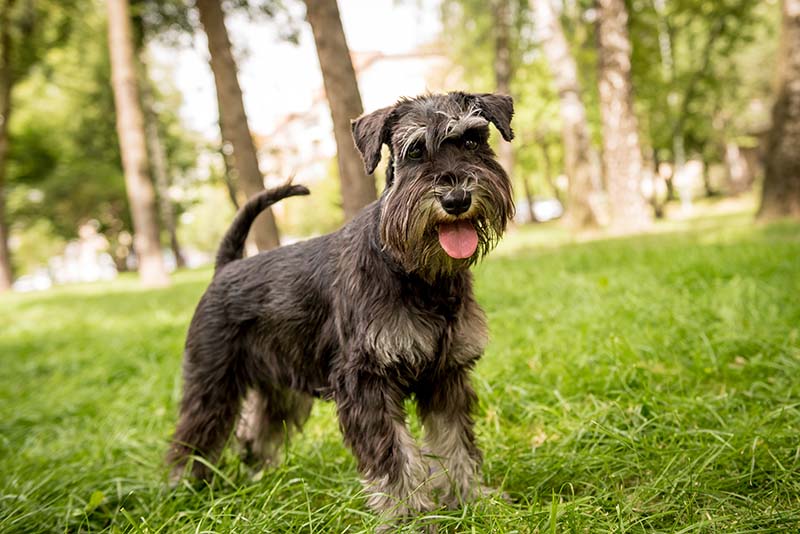
Dog breed organizations that recognize the Miniature Schnauzer agree that the breed can have one of three colors:
- Black
- Black and silver
- Salt and pepper
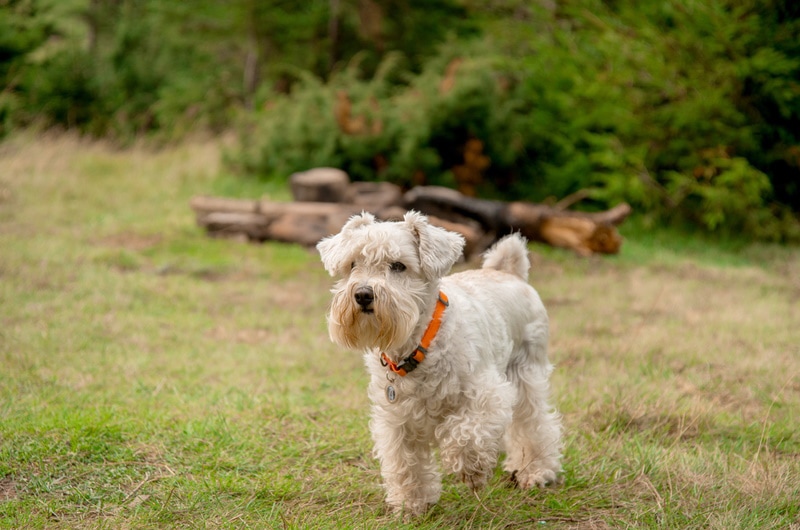
In some cases, Miniature Schnauzers can have white coats. However, white-coated Miniature Schnauzers cannot register with some dog breed organizations since that coat color is caused by a gene modification.
Final Thoughts
Overall, Miniature Schnauzers are family dogs that value human companionship above all else. They love to play and enjoy spending every waking moment hanging out with their favorite people. They’re also extroverted and quick to make new friends. However, they remain highly loyal to their families and show preferential treatment to the people they love. They have a lot of affection to give and are sure to brighten people’s lives with their cheerful and playful personalities.
Featured Image Credit: Roman Zaiets, Shutterstock