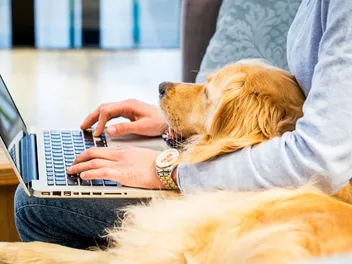
Going Back to the Office? 8 Tips on How to Prepare Your Dog

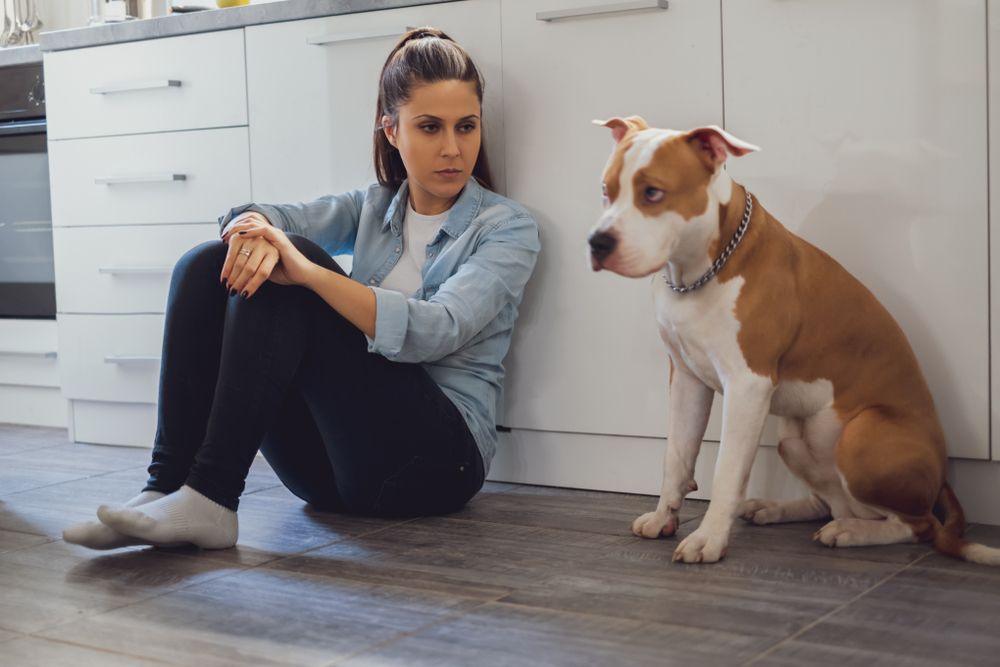
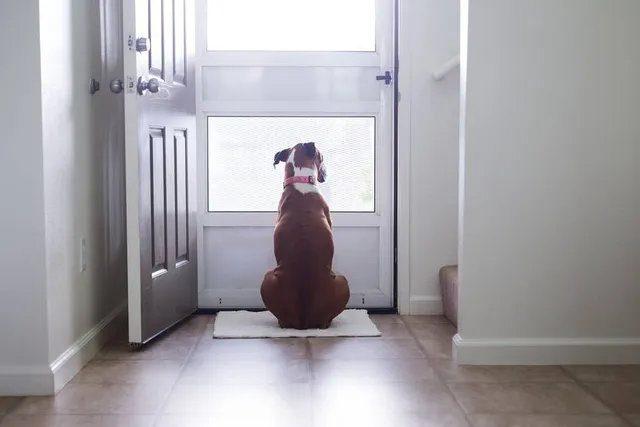
Heading back to work is a return to normalcy for most pet parents, but for their dogs, it’s often the exact opposite. Even the most adaptable dogs can feel the sting of uncertainty when the routine changes unexpectedly. “Why is my owner leaving? When will they be back? What does this mean for our relationship?” Understandable concerns like these can wreak havoc on a dog, and we see the fallout in anxious and often undesirable behaviors.
While you can’t talk your dog through their new stress and fears, you can show them that not all changes are negative. You can manage a smooth transition for you and your pet by checking out these tips to prepare your dog for your return to the office.

How to Prepare Your Dog for Your Return to Work: 8 Tips
Get started on helping your dog adjust to your eventual routine shift as soon as you know that a return to the office is imminent. Counterconditioning and desensitization are often necessary to efficiently get your dog used to this new way of life, processes that take time and patience to complete.
Gradually introduce your dog to new aspects of the routine, and find positive changes that dogs will see as a net benefit as they work through the transition.
1. Introduce a Crate or Alternative Safe Area
A comfortable crate can help dogs and owners transition to a work schedule. Your dog will have a safe den to alleviate their worries while reducing the likelihood of household damage or inappropriate elimination from anxiety, fear, or boredom.
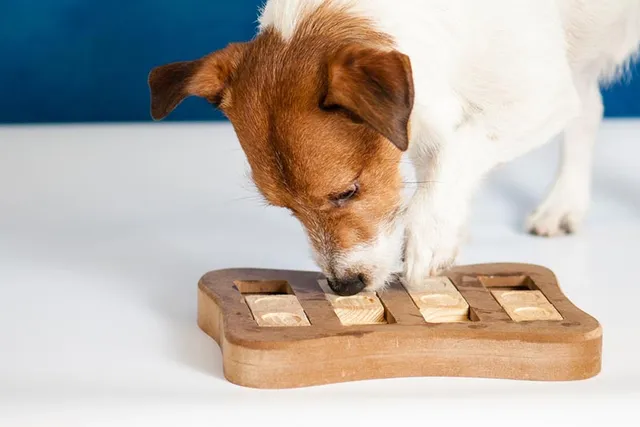
The crate must be a positive space; don’t use it as punishment. Instead, give your dog high-value treats, chews, and toys they’ll only receive while in it, like a peanut butter-filled Kong or a treat-filled puzzle feeder. If a crate isn't appropriate for your pet, you can create other den areas with a pen or a closed room.
You may have to slowly acclimate your dog to long periods alone in their space. Start by leaving them for only a few minutes without exiting the room if it makes your dog anxious. Reward their calm behavior with treats and praise. Build on this, adding time and distance until you can leave the room for extended periods without them becoming stressed.

2. Find an Affordable Dog Daycare
A local dog daycare is a thoughtful solution to keep your dog entertained and stress-free while you’re at work. Drop your dog off on the way in, and pick them up on your way home. By keeping them with professionals in a pet-friendly and enriching space, dogs often come home more relaxed and well-behaved.
3. Look for Pet Sitters in Your Network
Having someone come by the house around lunchtime offers your dog the social time, exercise, and bathroom break that can make the rest of their time alone far more tolerable. Reach out to friends and family for help. You can also check with local networks on social media for advice on finding affordable pet sitters who can spend an hour or two walking and entertaining your dog.
4. Socialize and Train Your Dog
If you have a puppy and worry about returning to work after taking paw-ternity leave, socializing them can help them develop calm behavior. Providing diverse experiences at a young age builds confidence, which your dog can bring to the crate when you leave for the day. Ensure these experiences are positive and safe so your dog doesn’t develop anxiety.
With the socialization should come consistent training to reinforce cues, train good behaviors, and enhance your bond. Daily training exercises also include practices that promote calm behaviors and reward your dog for being relaxed.
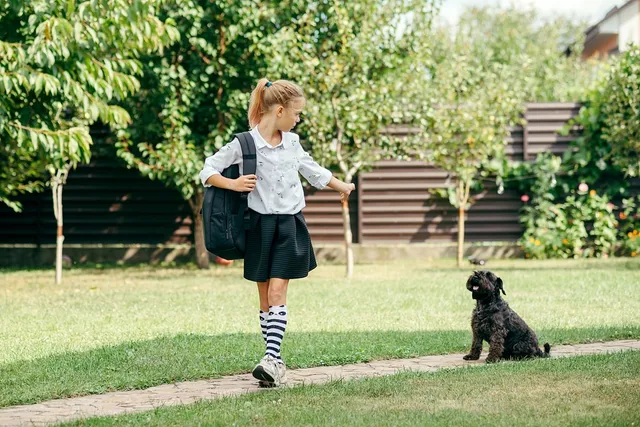
You can train fundamental commands like sit/stay, down/stay, and place, and encourage your dog to go to their mat and wait patiently by shaping the behavior. From there, you can have your dog wait for longer amounts of time as you move away and leave the room. Performing these commands frequently during the day will reduce impulsive and anxious behavior that can cause trouble when you eventually return to the office.

5. Establish a New Routine with Sufficient Exercise
Exercise and enrichment while you’re at home will make life more enjoyable while you’re gone. Change your routine to include a healthy workout for the times of day when you will be home in the morning and the evening. Walking your dog before you leave will tire them out and help them stay in shape, two factors that can support better behavior.
Finish your morning exercise about 15–30 minutes before you leave to give your dog time to wind down and keep them from making the immediate connection between their exercise routine and your departure.
6. Encourage Alone Time to Build Independence
Dogs that follow attachment figures from room to room will often have a more challenging time dealing with time alone when owners return to work. Try to discourage your dog's extreme attachment. Arrange times when your dog can be in a different room to play, eat, or relax. Offer them long-lasting chews or fun puzzle feeders, games, and enrichment devices to keep them mentally occupied.
You want to maintain a positive association with being separated, gradually increasing your dog’s alone time as they learn the rewards of being calm and composed.
7. Keep Departures and Returns Mellow
Don’t make a grand show of daily departures. Ensure your dog has at least 15 minutes of downtime before you leave for the day, and avoid emotional goodbyes or any departure rituals that may serve as a cue that you are about to exit the house. When your dog knows the signs that you’re leaving, they’ll only have an excuse to become agitated.
Your return home must be equally low-key. While your dog will likely be excited and express it zealously by jumping on you or licking you when you walk through the door, you should encourage calm behavior by only giving attention and rewards when they relax.

8. Talk to a Vet About Changing Diets
Though it’s hardly a magic bullet to quell anxiety around your return to the office, a calming dog food formula may help with their general mood. Special additives like L-tryptophan help nervous dogs stay relaxed throughout the day.
Talk to a vet about changing foods or adding calming supplements or CBD oil to your dog’s regimen.
If you find a high-quality product worth trying, slowly transition your dog to the new diet by mixing it with their current food. You can use a more sizeable proportion of the new food each day until you complete the changeover and monitor your dog’s behavior to see whether it has an effect.
Final Thoughts
Sudden routine changes that follow the return to work can be tricky to navigate, but it starts with simple efforts in positivity and patience. Fostering trust and security in your relationship is essential in building your dog’s confidence in being alone. When your dog loves you and understands you’ll always return and be happy to see them when you get home, they’ll be far more willing to cope with being on their own when the first workday arrives.
Featured Image Credit: Sjale, Shutterstock
Expert dog care, straight to your inbox
News, insights, expert advice, and everything dog.

No spam — unsubscribe anytime.
By signing up, you agree to our Terms & Conditions and Privacy & Cookies Policy.
How useful was this post?
Click a star to rate. You can leave written feedback afterwards. (We read all feedback.)
Christopher Bays is a writer and editor from North Carolina who enjoys researching and writing about pets. After caring for a Siamese cat for 19 years, he adopted a Russian Blue mix named Olga. Olga stays by his side while he’s working and is skilled at opening doors and causing mayhem. When he’s not working, Christopher is happiest when he’s working in his garden, writing short stories, hiking, and listening to the Grateful Dead.