Male vs. Female Shiba Inu: The Differences (With Pictures)

In this article
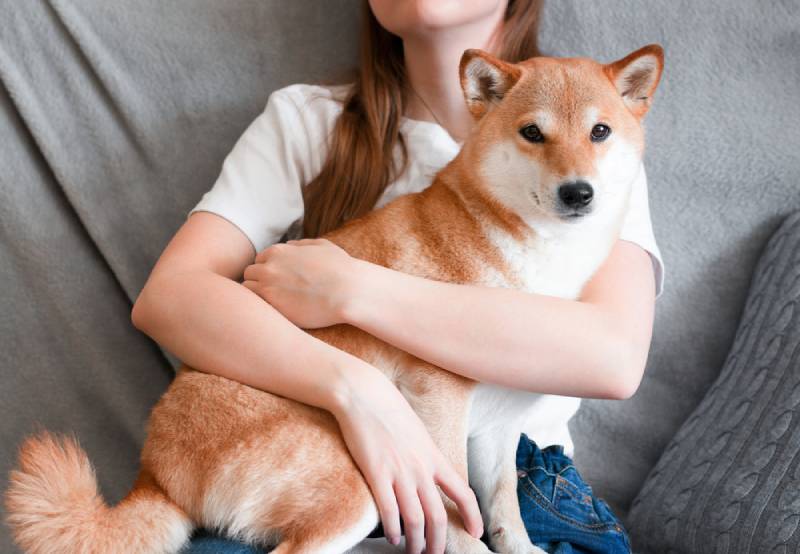
The Shiba Inu has been made famous in North America thanks to the Doge meme, so many people want to learn more about this breed. There’s no question that the Doge meme shows the quirkiness and adorableness that is the Shiba Inu!
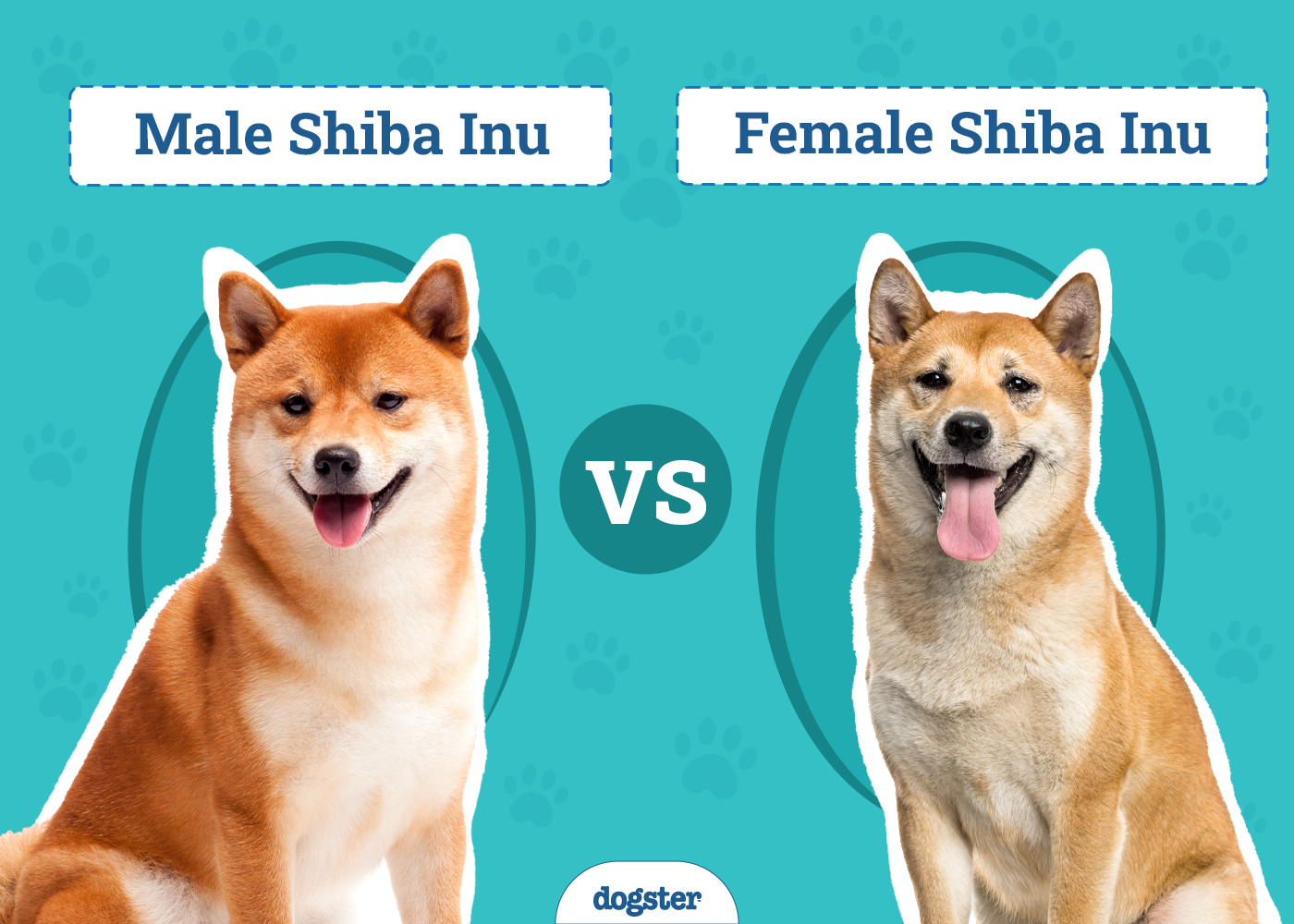
If you’ve been thinking about adopting a Shiba Inu or are just curious, you might be wondering about the differences between male and female Shibas. There are minor differences both physically and in temperament, so if you’re wondering if a male or female dog might be a better fit for you, we go over these differences.
There’s no question, though, that both male and female Shiba Inus are fantastic!

Visual Differences

At a Glance
Shiba Inu 101
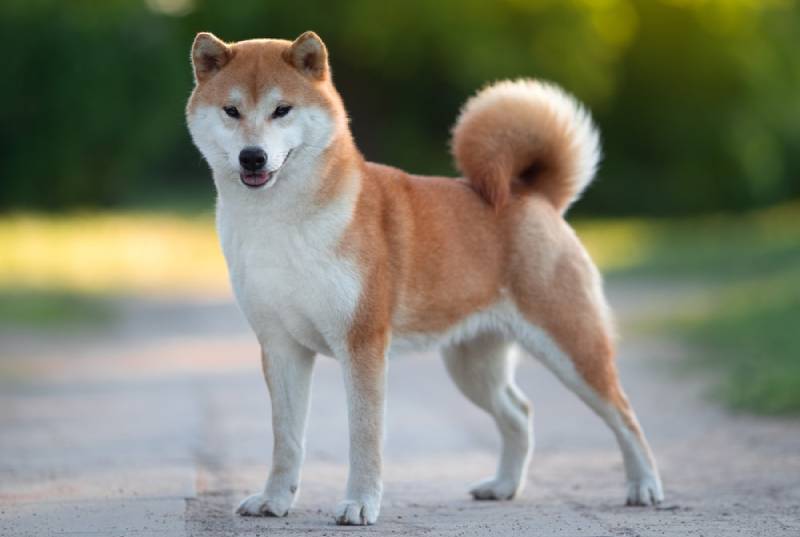
The Shiba Inu is an ancient breed that hails from Japan and has been around since the 4th century. Shibas were used for hunting in the mountains of Japan, but by the end of the Second World War, the Shiba was almost extinct. Luckily, Shibas survived and bounced back to become Japan’s absolute favorite companion pet.
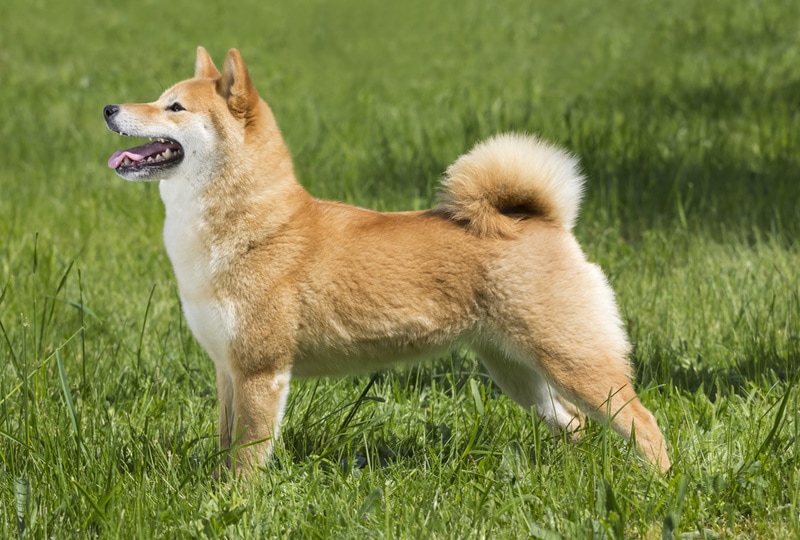
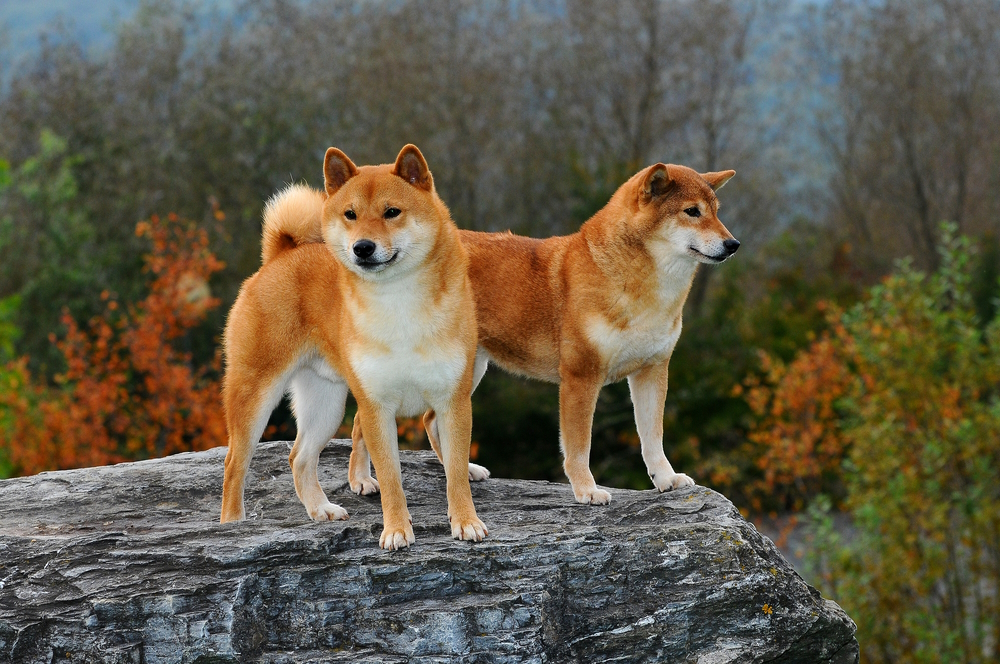
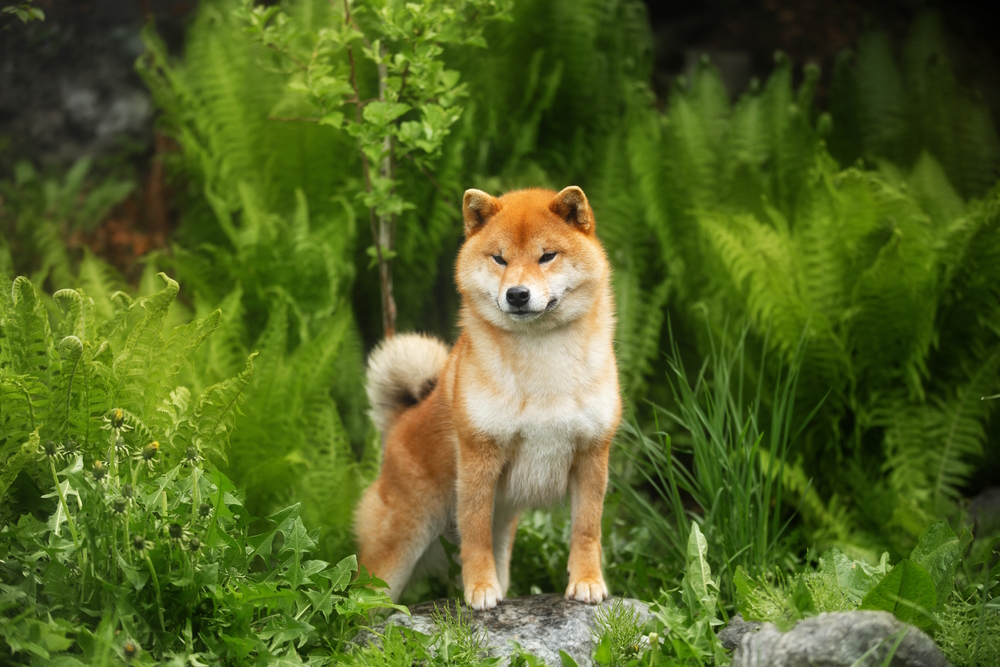
They were introduced to North America over 60 years ago, and they have become increasingly more Shibas typically have white markings, along with black and tan, cream, sesame, or red ones, and those combined with their smallish size makes them take on an almost fox-like appearance.
Male Shiba Inu Overview

Personality / Character
Male Shiba Inus tend to be friendlier and more social than the females, but they can be aggressive, particularly with other dogs if they haven’t been appropriately trained and/or neutered. The males are also confident and independent dogs and are known to be generally bolder than the females.
Males are usually recommended more than females for anyone new to the Shiba breed. The males tend to be easier to handle and are more outgoing, playful, and affectionate than the females.
Training 🎾
Training the male can be easier in some ways than the female. They are quite eager to please, and they tend to be easier to handle, which can make training a little less challenging. But they are also not quite as smart as the female, so training can take a little longer.
Both the males and females are easy to housebreak. When they are about 4 weeks old, they want to put as much distance as possible between where they eliminate and where they sleep.
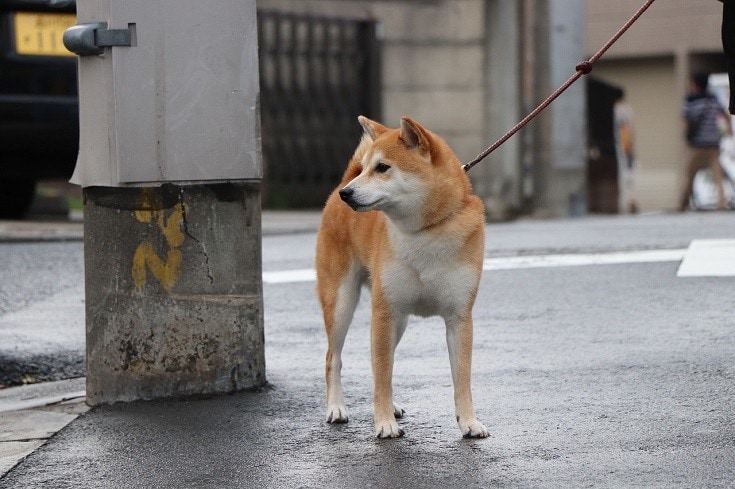
But keep in mind that both males and females should always be kept on a leash. This breed is 100% unreliable, no matter how well trained, when off-leash (unless in a fenced area).
Health & Care
Of course, regardless of the sex, Shibas need a fair amount of exercise every day, but they aren’t the most active dogs out there. Male Shibas tend to be a little more energetic than the female, so if you’re looking for a partner in some form of physical activity, the male would be the better bet.
Grooming the Shiba Inu is easy due to their short coat, but the amount of shedding makes it a weekly task. This is regardless of sex. However, male Shibas tend to enjoy getting dirty a little more than females, and an unneutered male will be much more prone to marking.
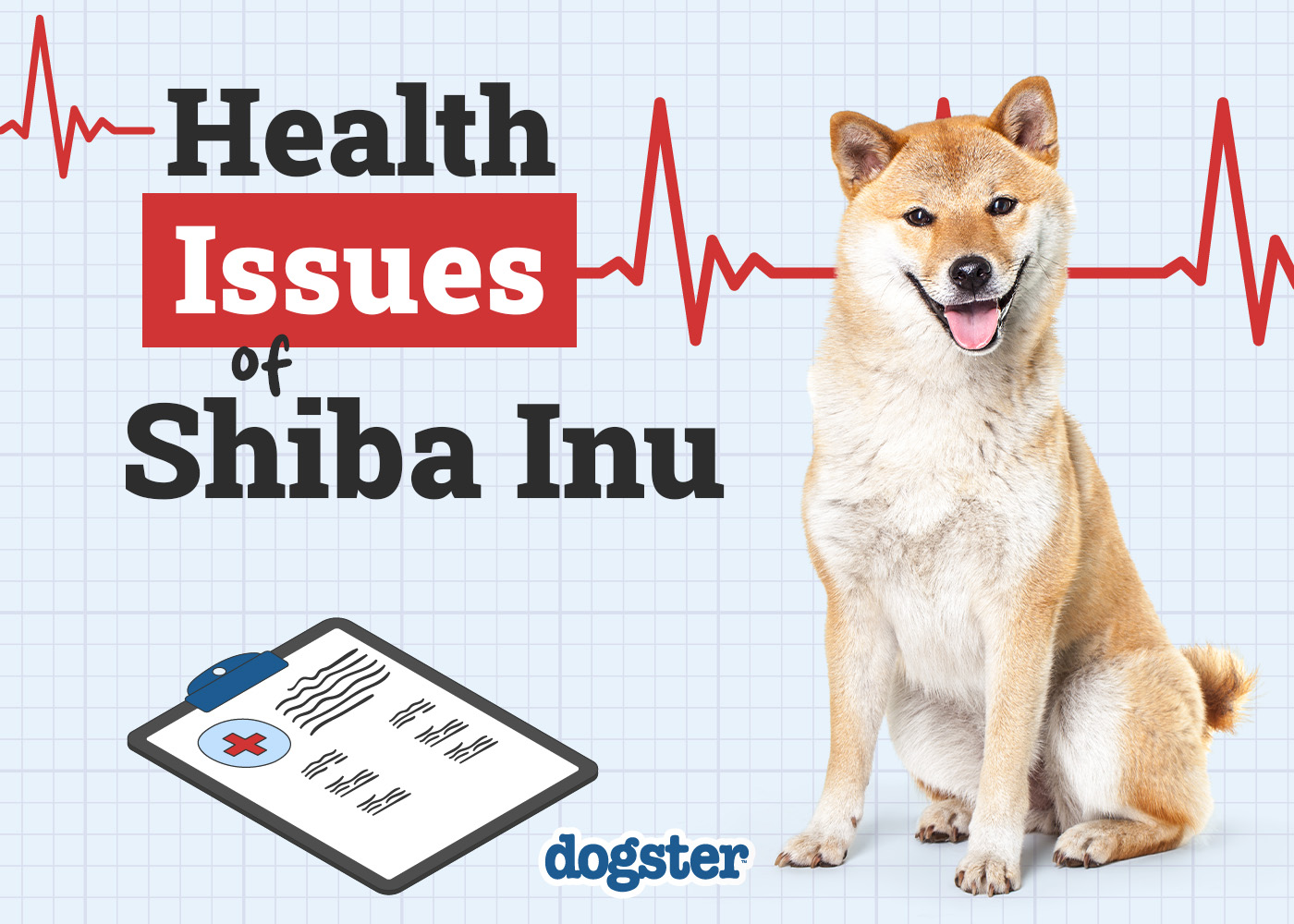
Shiba Inus have a long lifespan at 13 to 16 years and are an overall healthy breed. However, there are certain health conditions they are predisposed to, regardless of sex. Male Shibas could be slightly more prone to things like hip dysplasia than the female because they tend to be slightly larger and heavier.
Breeding
You can use your male Shiba as a stud for breeding, but your dog must be in optimal health so any poor health conditions aren't passed down to the next generations.
If you are seriously considering using your Shiba Inu for stud services, you will need to have your male fully registered. You’ll also need a male Shiba with an even temperament. The puppies need parents that are in good health and have excellent temperaments.
On the other hand, if you don’t want to use your Shiba for breeding purposes, you’ll want to get him neutered. This will help with his more aggressive tendencies toward other male dogs.
Pros
- Playful, outgoing, and social
- Better for active people
- Easier to handle
- Better for first-time Shiba owners
- Confident and independent
- Active and playful
Cons
- Shed excessively
- More likely to splash through muddy puddles
- Aggressive toward other male dogs
- Not as smart as females
- Issues with dominance
Female Shiba Inu Overview

Personality / Character
Female Shibas are known to be a little aloof with people they don’t know, more so than the males. In general, females can be more cautious and less bold than males. They can also be more independent, which means they are less likely to cuddle up with you on the couch. In fact, female Shibas are often compared to cats!
While the females are also less aggressive than the males, female Shibas might be a little more likely to show aggression toward other female dogs if they are unspayed. While males tend to have more aggressive tendencies, female Shibas tend to be more territorial.
Training 🎾
Training female Shibas can be easier because they are smarter than the males. But they can be more difficult because they are also independent and occasionally stubborn. They are eager to please, though, so you’ll just need to be persistent and patient.
Health & Care
Female Shibas are physically smaller and lighter than the males, which can also mean they can be fed a little less than the males and are easier to carry.
Otherwise, the exercise requirements and grooming are almost the same. Females might be a little less inclined to jump into the mud puddles (of course, this depends on the dog). They aren’t always as active as the males, but otherwise, there aren’t any huge differences here.
The same goes for health conditions. Both the male and female are prone to the same health conditions, and their sex doesn’t tend to impact their lifespan. Shiba Inus seem to have more issues with allergies, particularly skin issues and their eyes, than some other breeds.
Breeding
Shiba females generally go into heat every 6 months (like most dogs), and they typically have two to five puppies, with the average usually being three puppies. A well-balanced and nutritious diet is super important for a pregnant dam, and stress levels need to be kept to a minimum. Be sure to take her frequently to the vet for regular checkups.
Since they are medium-sized dogs, the female might experience dystocia, which is essentially difficulty giving birth.
You will probably want to register the female, like the male, and ensure that she’s in good health and has an excellent temperament.
Pros
- Better for more laidback people
- Smarter than the males
- Might try to stay cleaner
- Smaller than males so can be fed less
- More independent
Cons
- More aloof and cautious
- Not that bold
- Can be more territorial
- Not as cuddly
Which Sex Is Right for You?

Keep in mind with a few of the pros and cons listed, what one person might consider an advantage, another might think of it as a disadvantage. An independent female might not be a good fit for one owner but could be the perfect dog for another.
Also, keep in mind that many of the personality and temperament traits discussed could be applied to both sexes. You might find a cuddly female and a cautious male because it comes down to how well a dog was socialized as a puppy and trained as an adult. Many of these traits are generalizations.
That said, if you’re looking for a more independent dog that is a little calmer, you might want to look into a female Shiba. But if you would prefer a more outgoing and playful dog, the male Shiba might be more up your alley.
Just do your homework before you consider bringing any dog home, regardless of the sex. Not every breed will be the right fit for you and your family, and the Shiba Inu is definitely not for beginner dog owners. But for the right family, you will be glad to bring one of these unique dogs home, regardless of whether they are male or female.
Next on your reading list:
Sources
Featured Image Credit: Mabel Amber, Pixabay (Up), Thorsten Schulze, Pixabay (Down)
Expert dog care, straight to your inbox
Vet-reviewed advice, training tips, and the best of Dogster. Free, and you can unsubscribe anytime.
By signing up, you agree to our Terms & Conditions and Privacy & Cookies Policy.
Kathryn was a librarian in a previous lifetime and is currently a writer about all things pets. When she was a kid, she hoped to work in a zoo or with wildlife in some way, thanks to her love for animals. Unfortunately, she's not strong in the sciences, so she fills her days with researching and writing about all kinds of animals and spends time playing with her adorable but terribly naughty tabby cat, Bella. Kathryn is hoping to add to her family in the near future – maybe another cat or two and a dog.
Join the conversation
Ask a question, share your story, or send private feedback.