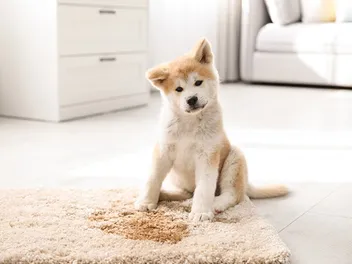
How to Stop Dog Pee From Killing Grass: 9 Simple Tips

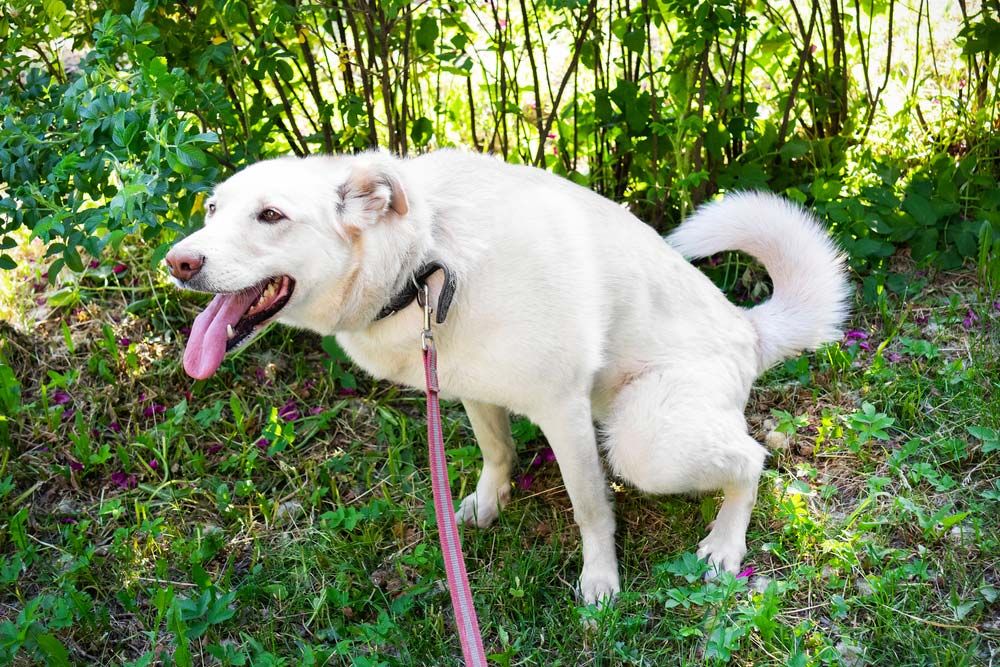
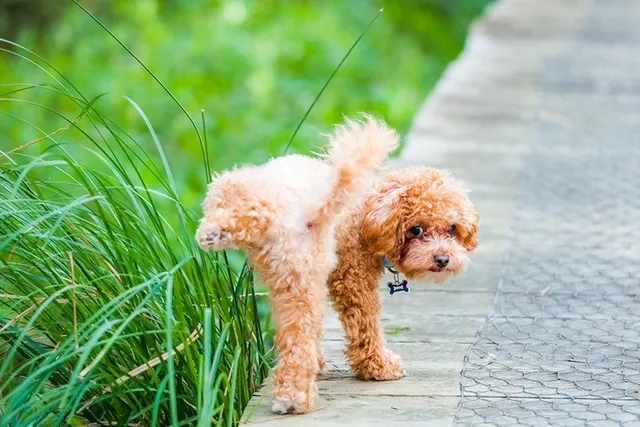
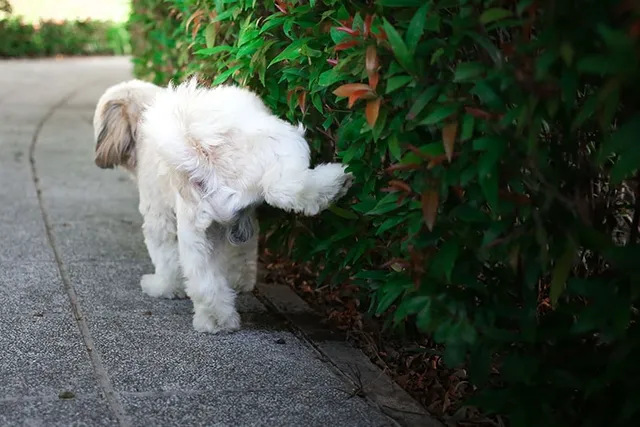
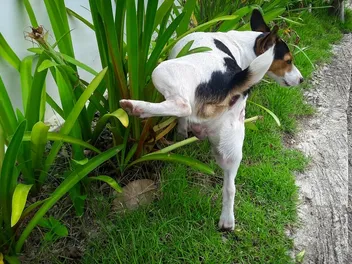
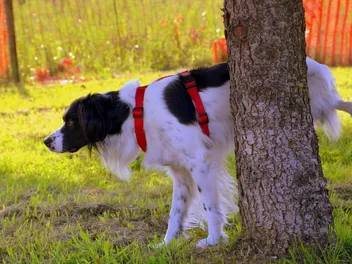
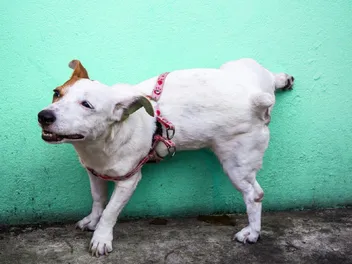
Dog pee can quickly kill grass, as it contains very high levels of nitrogen. It’s true that many fertilizers have nitrogen in them. However, dog urine has far more nitrogen than fertilizer. Therefore, if your dog pees enough in the same spot, your grass may end up dead.
Luckily, there are many things you can do to stop this from happening. Here is a list of options that you may want to consider. Often, taking several different steps to prevent your grass from dying is the best solution:

The 9 Steps to Stop Dog Pee From Killing Grass
1. Dilute the Urine
Nitrogen in your dog’s urine causes issues with your grass, mostly because of its concentration. You can prevent your grass from dying by diluting the urine before it causes problems. After your dog pees, thoroughly water the spot with a hose or watering can.
Of course, this does require a bit of planning ahead of time. You need to take the watering can or hose with you. However, it is a very effective solution if you can be there every time your dog pees!
If your dog wanders around a fenced-in yard, this tip can be challenging to follow. You may not be able to be there every time your dog pees, complicating matters. We recommend a different method in this situation.
2. Keep Your Dog Hydrated
Dehydration will cause your dog’s urine to be even more concentrated. If your dog doesn’t drink enough, it will cause the nitrogen levels to be higher, leading to your grass dying faster. If you can encourage your dog to drink more, you can dilute the urine before it comes out, effectively doing the same thing as the step above.
There are a few ways you can go about this. Firstly, ensure your dog has access to fresh water at all times. If your dog has access to water, they will likely drink enough. You can also consider switching them to wet food, even partially, as this can increase their hydration a lot. You can also use drink additives that may make their water taste better, encouraging them to drink more.
If your dog is constantly dehydrated, consider speaking to your vet. There are many conditions that can cause dehydration.

3. Training
Consider training your dog to go in a specific area. In this way, you can minimize the damage to the whole yard, making it easier to treat the affected area. You can also use a patch of mulch or similar material and train your dog to go there, preventing them from killing grass at all.
Of course, this can be a bit more challenging than other methods. Dogs don’t always take to training quickly, which can cause more dead grass in the meantime.
4. Adjust Your Mowing Height
If you’re having trouble with your grass, consider raising your mowing height slightly. By having more grass, you’ll reduce the impact of concentrated urine, potentially preventing dead spots. Taller grass also shades the soil, helping it maintain moisture. This added moisture can water down your dog’s urine, preventing it from having such a big impact.
Of course, if your grass height is already high, this probably won’t help. If it’s very short, though, raising it even a little will help keep your grass alive.
Many people prefer their grass to be shorter. However, if you want to keep your grass alive, we really recommend cutting it longer!

5. Plant a More Urine-Resistant Grass
There are many types of grasses out there. Some of them are more urine-resistant than others. For instance, ryegrass and fescue are typically more nitrogen-resistant than other grasses. If your grass is already dead, consider reseeding with one of these alternatives.
These types of grasses aren’t completely resistant to nitrogen, though. They will still die if exposed to too much nitrogen. This method works best when paired with another that will lower the amount of nitrogen that ends up on your grass, such as diluting the urine.
6. Consider Dietary Supplements
Surprisingly, there are supplements that reduce the amount of nitrogen in your dog’s urine, preventing them from killing the grass. Of course, not all of these are equal, so it’s important to do your research and pick an effective option. Always ask your vet before trying a new supplement for your dog. Not all supplements are okay for every dog, especially if your canine has an underlying condition.
If you do select a supplement, be sure to follow the directions. Often, supplements are required at their full dosage to be effective at reducing nitrogen in your dog’s urine, so this isn’t a case where you can give a half dose and wait for the best.
Some dogs may also react negatively to these supplements, as you’d expect. Once again, what works for one dog may not work for another, especially when it comes to dietary supplements.
7. Address Established Urine Spots
You may need to treat areas that already have brown spots. These spots may not bounce back on their own. Preventing new spots doesn’t help if your yard is still covered in old spots. Luckily, there are several ways you can help your yard bounce back.
For instance, baking soda can help neutralize the nitrogen in the soil. Mix baking soda and water together to create a paste and then apply it to the affected area. Leave it for a few hours, and then rinse it off completely. This isn’t practical to do every time your dog uses the bathroom, but it can be a helpful fix when you’re implementing other tips, too.
There are also several commercial pet urine treatments available. These can help break down the nitrogen in the urine and eliminate odors. However, they can be pretty expensive, so they aren’t a great fix to use constantly. As a one-time solution, though, they can be very helpful.
8. Avoid Using Nitrogen Fertilizers
If your dog is already urinating in your yard, the last thing you need to do is add more nitrogen to the soil. Therefore, avoid using any nitrogen fertilizers where your dog urinates. Be sure to read the packaging of the fertilizer closely, as it isn’t always clear whether they have nitrogen in them or not. It can be a bit confusing to figure out!
That said, we highly recommend not using fertilizer if you don’t know what’s in it. If the packaging is vague, skip it for something a bit clearer. You should use fertilizer in your yard, especially if your grass is already damaged. You just want something without nitrogen.

9. Regularly Aerate Your Yard
You should regularly aerate your yard to improve drainage and airflow. With proper drainage, you can prevent the buildup of salts from dog urine in the soil, which may prevent dead spots. Aeration is good for your lawn, anyway, but it’s particularly good when you’re dealing with dog urine.
You don’t need to aerate your yard every year. Often, every few years is plenty. However, it depends on the type of soil in your area. Some soil is naturally poor draining, and it may make sense to aerate your yard annually.
Conclusion
Having dead spots in your yard can be very unsightly. Luckily, there are several ways you can prevent dog urine from causing problems. The main problem with dog urine is the nitrogen content, which can kill grass when concentrated. To prevent dead spots, you need to consider ways to reduce this nitrogen or treat it once it’s already there.
It often works best if you try several different methods. One may not work alone, but it may work when you use it in conjunction with another method.
Sources
Featured Image Credit: Nataly23, Shutterstock
Expert dog care, straight to your inbox
Vet-reviewed advice, training tips, and the best of Dogster. Free, and you can unsubscribe anytime.
By signing up, you agree to our Terms & Conditions and Privacy & Cookies Policy.
Kristin loves to help pet parents create a fulfilling life for their pets by informing them on the latest scientific discoveries and helping them choose the best products for their pets. She currently resides in Tennessee with three cats, four dogs, two fish, and a lizard, though she has dreams of owning chickens one day!
Join the conversation
Ask a question, share your story, or send private feedback.