How to Raise a Well-Behaved Pit Bull: 9 Vet-Reviewed Tips & Tricks


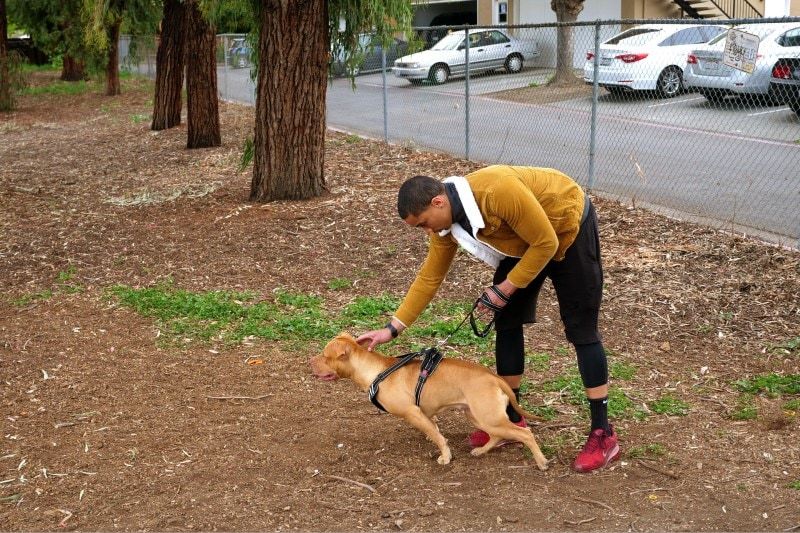
Owning a Pit Bull can be a rewarding experience. These loyal and loving dogs make wonderful companions and can bring a lot of joy to their owners. However, it’s crucial to start with the right knowledge to raise a well-behaved Pit Bull.
Establishing a strong foundation through humane training techniques is essential for raising a healthy and happy dog. In this post, we’ll discuss a few tips not only to enhance the behavior of your Pit Bull, but to strengthen the bond between you and your furry companion.
From proper training and socialization to understanding the breed’s unique needs and traits, these tips will help ensure you’re doing everything you can to help your Pit Bull reach their full potential.

Top 9 Tips on How to Raise a Well-Behaved Pit Bull
1. Understand the Breed’s Unique Traits & Needs
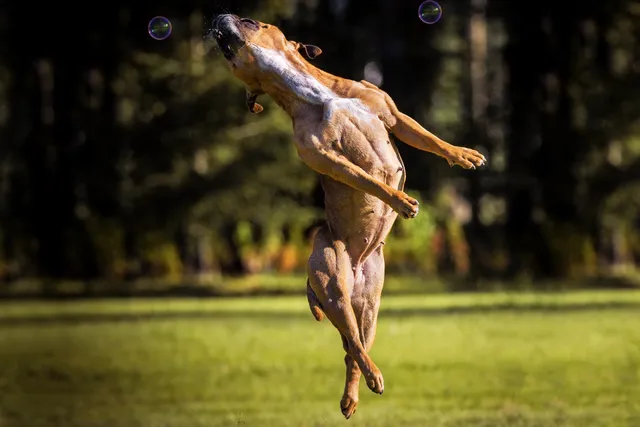
Pit Bulls are strong, determined, and super-protective dogs. As a general rule of thumb, you’ll want to make sure you’re meeting your Pit Bull’s specific needs as a breed to set it up for success. For example, Pit Bulls are very active dogs, so it’s important to provide them with regular opportunities to exercise (1–2 hours a day is ideal) and room to run around and play.
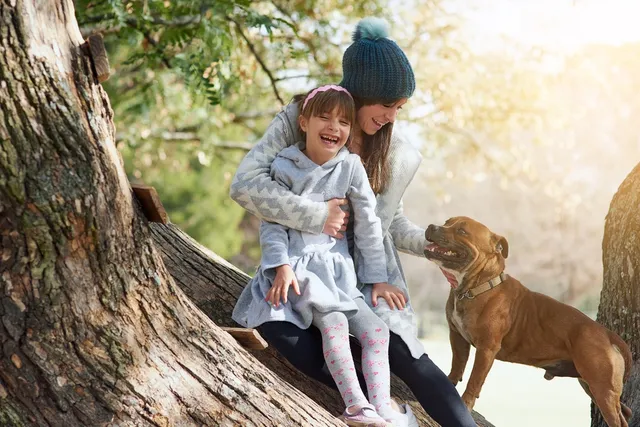
Pit Bulls are highly social dogs, but they require a gentle and positive introduction to any new environments or pets. As with all dog breeds, early and consistent training is essential for a well-behaved and healthy Pit Bull. And while these dogs are often mischaracterized as aggressive toward humans, it’s important to recognize that they can be independent and strong-willed.

2. Provide Proper Training
The first step in raising a well-behaved Pit Bull is proper training. Whether you’re raising a puppy or bringing home an adult dog, it’s important to start obedience training early. In fact, the Humane Society recommends training puppies between the ages of 8 and 16 weeks to ensure that the lessons stick.
Training your Pit Bull puppy or dog early will help you set the tone for a well-behaved, healthy adult dog. It'll also help you identify any potential behavior issues that may arise as your dog grows.
When it comes to training a Pit Bull, keep in mind that these dogs are strong-willed and highly intelligent—and they can become hard to handle if they aren't reined in while young. So, ensure that you’re using positive reinforcement and a firm but loving approach when training your dog. It’s also important to set aside enough time to train your dog thoroughly.
Be consistent, train every day, and make sure they understand what you expect from them.
3. Implement Positive Reinforcement During Training
As we’ve mentioned, positive reinforcement is the key to successful training. When training your Pit Bull, it’s important to make sure you’re using verbal praise and treats as a reward. By pairing this type of positive reinforcement with training sessions, you’ll help your dog learn what you expect from them. You’ll also help reinforce desired behavior, which will set the stage for a well-behaved dog.
When it comes to using treats during training, it’s important to make sure they’re motivated—which is where treats come in. Many people assume that treats are a luxury reserved only for good dogs. The truth is all dogs can benefit from treats as a reward. They’re a great way to let your dog know that they're doing a good job.

4. Socialize Your Pit Bull
While it’s important to make sure your dog gets enough one-on-one time with you, it’s essential that your Pit Bull gets adequate socialization during their early sensitive period, between 3 and 14 weeks of age, to make sure they're comfortable around other people and animals. This will help prevent potential aggression issues and set your dog up for success as an adult.
When it comes to socializing your Pit Bull, you’ll want to expose them to a variety of different places, people, and animals. You’ll also want to make sure you’re introducing your dog to new situations on a regular basis. This will help ensure that they feel comfortable in a variety of different environments and are able to adjust to new on-the-spot situations.
5. Maintain Consistency
Pit Bulls are, by nature, very consistent dogs—and most dog breeds love routine. This means that you’ll want to make sure your dog is accustomed to a consistent daily routine. It'll help ensure they have a healthy and happy life and set the stage for a well-behaved dog. With that in mind, it’s important to make sure you’re following through on your expectations—both positive and negative.
So, if you say your dog will be allowed to go for a walk after they eat their meal, then they should be walked after they eat their meal. Maintaining a routine will help your dog understand what is expected of them, which will make training much easier.
It'll also ensure that your dog has a good quality of life. If your dog knows what to expect every day, they’ll be less likely to experience anxiety or stress.

6. Ensure Your Pit Bull Gets Regular Exercise
Pit Bulls are muscular energetic dogs, and they need exercise on a daily basis—or you may find yourself with a rather anxious and even grumpy dog on your hands. Make sure your Pit Bull is getting enough exercise.
Ideally, you’ll want to exercise your Pit Bull for at least 45 minutes to 2 hours each day. This will help them stay healthy and burn off excess energy. Additionally, exercise is a great way to bond with your dog.
7. Watch for Signs of Stress or Anxiety
Even the strongest dogs experience anxiety and stress. If you notice any worrying signs of stress or anxiety in your Pit Bull, it’s important to address them immediately. This will help prevent your dog from experiencing mental health issues and the problem becoming worse.
There are a few signs of stress you’ll want to look out for, such as excessive barking, avoidance, chewing, and whining. If you notice any of these signs in your dog, it’s important to try to figure out what’s causing the stress. This can be as simple as adding more exercise to their daily routine or creating a more stimulating environment. And if all else fails, a trip to your vet may be necessary to see if it's a health issue.
If you’re concerned about your pet’s well-being, we recommend you contact a veterinarian.
8. Provide a Safe & Stimulating Environment
Providing your Pit Bull with a safe and stimulating environment will help ensure they feel comfortable and happy in their surroundings. It will also help prevent boredom, which can lead to destructive behavior, anxiety, and stress. When it comes to creating a safe and stimulating environment for your dog, there are a few things you’ll want to keep in mind.
For starters, you’ll want to make sure your dog has access to a comfortable resting place at your home. This can be a bed, room, or any area designated specifically for them to relax. You’ll also want to make sure he has a clean and safe space outside, where they can run and play freely—and chew toys definitely help.
Also, make sure your dog gets enough rest—especially after days when they've been super active (such as after long hikes or walks in the dog park). Like humans, dogs need time to rest and rejuvenate their bodies. This will help prevent injury and stress and ensure they're good to go by the next day.
9. Have Realistic Expectations
It's also important to be practical. Pit Bulls make wonderful companions and are incredibly loyal and loving. Raising a well-behaved Pit Bull is not a difficult task, but it does require time, consistency, and quite a lot of patience (especially during the early stages of training).
Make sure that you have enough time to spend with a Pit Bull before getting one. If you have realistic expectations and time to devote to properly caring for and training your Pit Bull, you’ll be setting the stage for a lifelong relationship with a wonderful and loving dog.

Conclusion
Raising a well-behaved and healthy Pit Bull is easier said than done. But in most cases, a well-behaved Pit Bull will make an awesome addition to your family. Pit Bulls are a wonderful dog breed, but they can develop a tendency toward aggression if not socialized properly.
By implementing these tried-and-true tips, you can help ensure that your Pit Bull is well-socialized, well-trained, and happy and healthy throughout its life.
Featured Image Credit: Duane Saipaia, Pexels
Expert dog care, straight to your inbox
Vet-reviewed advice, training tips, and the best of Dogster. Free, and you can unsubscribe anytime.
By signing up, you agree to our Terms & Conditions and Privacy & Cookies Policy.
Nicole has loved animals of all sizes her whole life so it's no wonder she has dedicated her career to helping them through what she loves best: learning, writing, and sharing knowledge with others. She’s the proud mom of two dogs, a cat, and a human. With a degree in Education and 15+ years of writing experience, Nicole wants to help pet parents and pets around the planet to live happy, safe, and healthy lives.
Join the conversation
Ask a question, share your story, or send private feedback.