How to Become a Detection Dog Handler: 7 Expert Tips

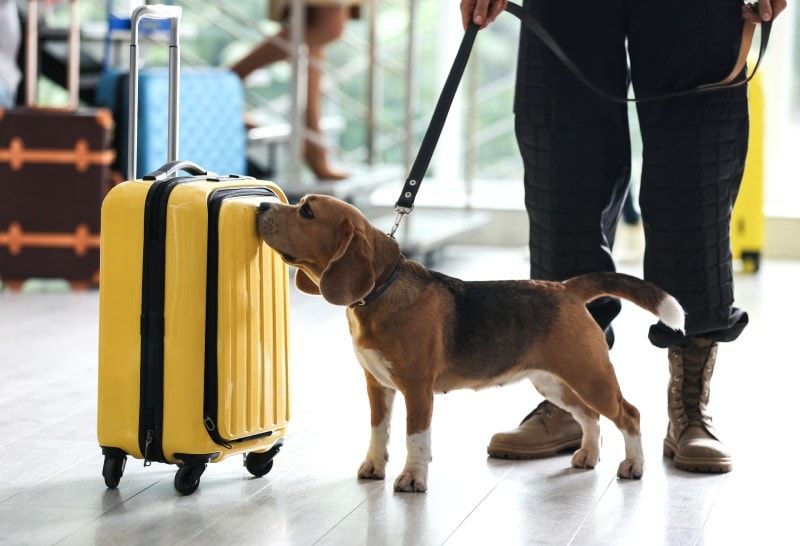
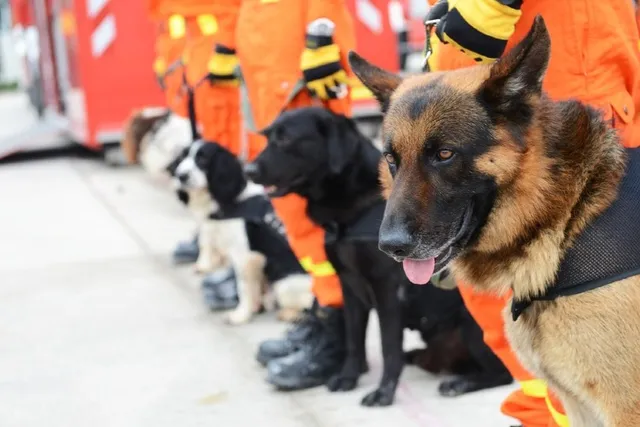
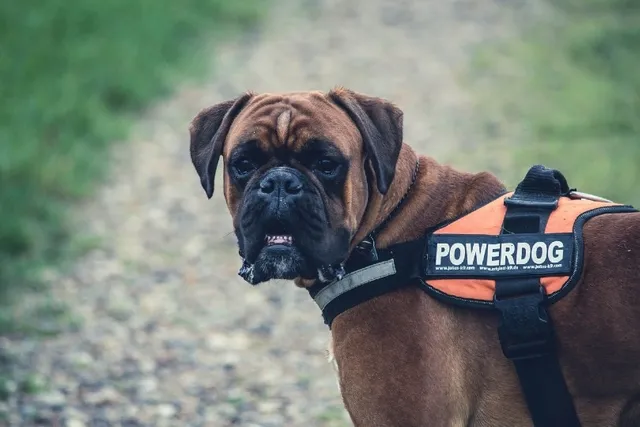
Dogs do a lot of big jobs—from search and rescue to forensic work to sniffing out drugs, contraband, and even explosives. Detection dogs are a subset of working dogs trained to alert to a specific scent.

The 7 Tips for Becoming a Detection Dog Handler
1. Choose Your Path
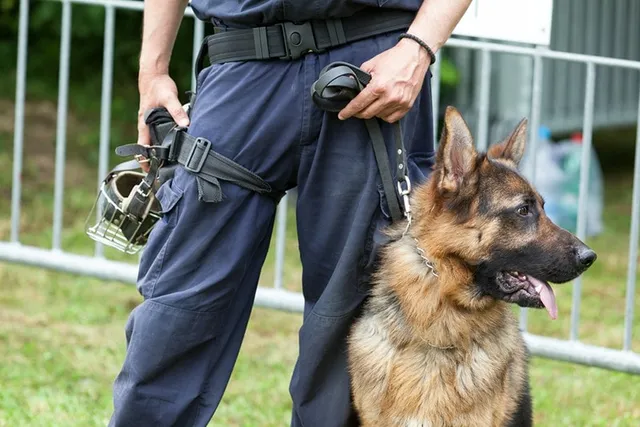
The most common path to becoming a detection dog handler is through law enforcement, but it’s not the only path. TSA inspection dog handlers are a combination of TSA Customs Officers and law enforcement officers.
There are also private security organizations that require canine handlers. In most cases, getting law enforcement or security experience is a must when looking to become a canine handler. Picking a specific “dream career” will help you know exactly which path to take, even if it shifts later.

2. Don’t Neglect Higher Education
Not all security officers or law enforcement officers need a degree, but higher education can help you get better jobs and reflect well when it comes to hiring choices. Criminal justice and criminology are common education options, but other choices like sociology may add relevant education instead. Specific experience with dogs is generally not a requirement.
If you plan to enter into law enforcement, you’ll also have to go through a police academy, a generalized training program that usually lasts 6 months.
3. Get Relevant Experience
The most common path to becoming a canine detection handler is through the police force. Most police teams will want K9 handlers to have strong police experience before they are trusted with a dog. Law enforcement officers can also transition into private security if an opportunity comes up.
If you choose not to go through the police route, another common career path is through TSA. You must have experience as a TSA customs officer or inspector to qualify for their canine detection training program.

4. Look for Opportunities to Gain Certification
There are various groups and programs that certify you for detection dog training. Each job type requires different types of certification. Some require internal training and certification, such as completing the TSA National Explosives Detection Canine Program.
However, it’s worth asking about the process and seeing if there is a way to gain certifications and experience even if you aren’t yet assigned to work with a dog. There are some private canine handler courses out there, but simply taking a course doesn’t always mean that its certification will lead you to a job opening.
5. Consider Volunteer Work
Volunteer work on the side can be a fulfilling way to gain experience and certification that may lead to career opportunities. Many search and rescue handlers and forensic handlers are volunteers or work with volunteers.
Joining a local SAR volunteer group might help you make connections and potentially work with your dog to help others. There is also the possibility that volunteer work with canine handlers could lead to connections in the future.

6. Keep an Eye Out for Unexpected Opportunities
Although you might have a plan for becoming a canine handler in one capacity, you should always look for any opportunity you can get. Private sector canine handling is a growing field, but it can be difficult to find available jobs.
Cultivating relationships and listening for job opportunities in the private sector might yield unexpected rewards, even if your original plan was to go through conventional law enforcement.
7. Be Prepared for the Commitment
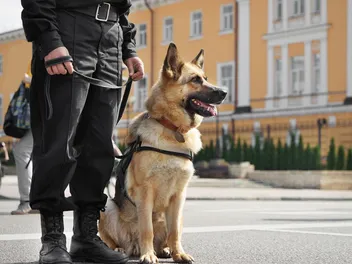
Once you become a Canine Handler, you’re usually signing up for a big commitment. Handlers are usually responsible for their charges day and night, taking their dogs home with them in the evening. A dog’s career can last for ten or more years, and it’s common for dogs and handlers to have lifelong bonds.
It’s not something that you can walk away from easily, which is one reason why many law enforcement departments choose internal promotion instead of hiring a canine handler from outside of their department.
You’ll also be responsible for the majority of the training for your dog. Puppies and their handlers often work with trainers in an initial course of study, but practicing and training don’t end when you leave the classroom. You’ll have to keep up your dog’s training and avoid bad habits throughout your career.


Final Thoughts
Becoming a detection dog handler can be a difficult road, without clear signposts. There are many different types of detection dogs, and there are also many different routes. It’s also a demanding job that requires education, discipline, and long-term commitments.
That’s not even starting on the danger that you and your dog might face in the line of duty. The work isn’t for everyone, but if you do want to move forward in this career, you’ll be able to do important work with a partner who is as loyal as they come.
Featured Image Credit: New Africa, Shutterstock
Expert dog care, straight to your inbox
Vet-reviewed advice, training tips, and the best of Dogster. Free, and you can unsubscribe anytime.
By signing up, you agree to our Terms & Conditions and Privacy & Cookies Policy.
Chelsea Flake Mortensen is a writer with a passion for pets . She grew up around everything from cats to chameleons and loves working with all kinds of animals. Chelsea has a BA in English and Creative Writing from Brigham Young University.
Chelsea loves reading, writing, sewing, and board games. She's lived in half a dozen US states and two countries. She is currently living in New England with her husband. Her articles have been featured in various magazines and literary journals for children and adults. Her writing has been translated into over 40 languages.
Join the conversation
Ask a question, share your story, or send private feedback.