How to Become a Police Dog Trainer: Career, Requirements & More

In this article
Among the rewarding careers that entail working with animals—veterinarian, dog groomer, zookeeper, etc.—only one requires a unique set of skills, determination, and an authentic love for working with both dogs and in law enforcement.
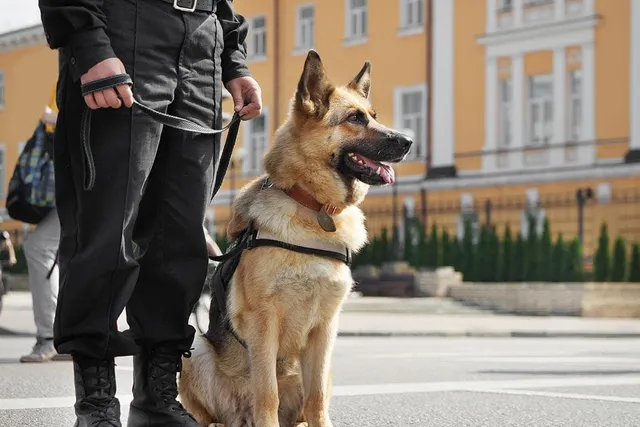
Police dogs, also known as K-9s, play a critical role in tracking suspects, searching for contraband or explosives, and protecting fellow officers.
If you're up to the challenge of training police dogs and want to know how to become a K-9 trainer then keep reading. We cover everything you need to know about the job itself, along with the requirements and salary.

What Exactly Do Police Dog Trainers Do?
According to the U.S. Bureau of Labor Statistics, police dog training falls under the category of animal trainers.1 The broad job description of an animal trainer is to train animals under one or more of the following categories:
- Assistance
- Harness
- Obedience
- Performance
- Security
- Riding
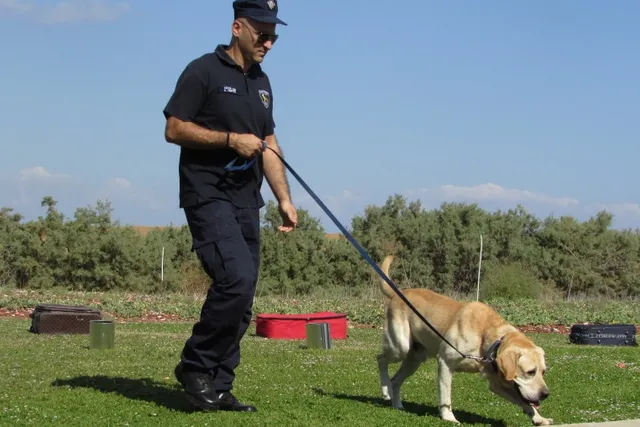
Police dog training entails assistance, obedience, performance, and security. Police dog trainers may work for a police department or a company that specializes in animal training, some of which may be specific to police dog training.
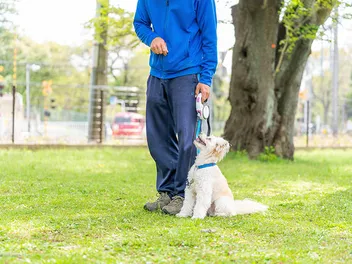
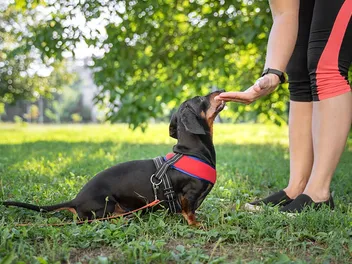
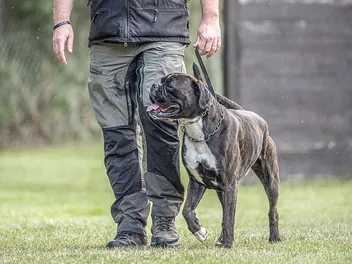
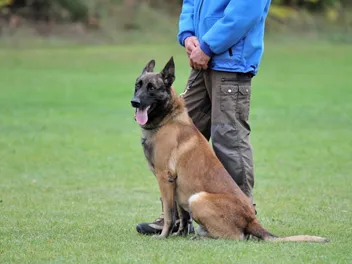
For animal training in general, animals are trained to respond to human voices and commands. But police dog training is far more in-depth. Police dogs have to be trained in obedience, to master and respond to basic commands including come, sit, stay, heel. They have to be able to obey these commands both on and off a leash.
Once the dogs have mastered basic commands, the trainer has to teach them commands that are specific to police work. One of the first aspects of police dog training is teaching the dog how to protect his handler, and eventually, his police officer partner.
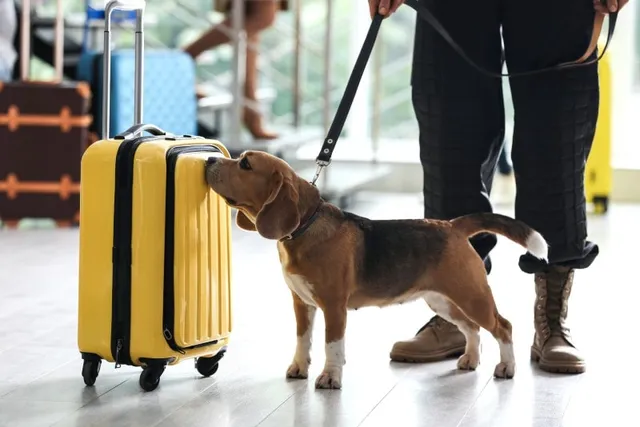
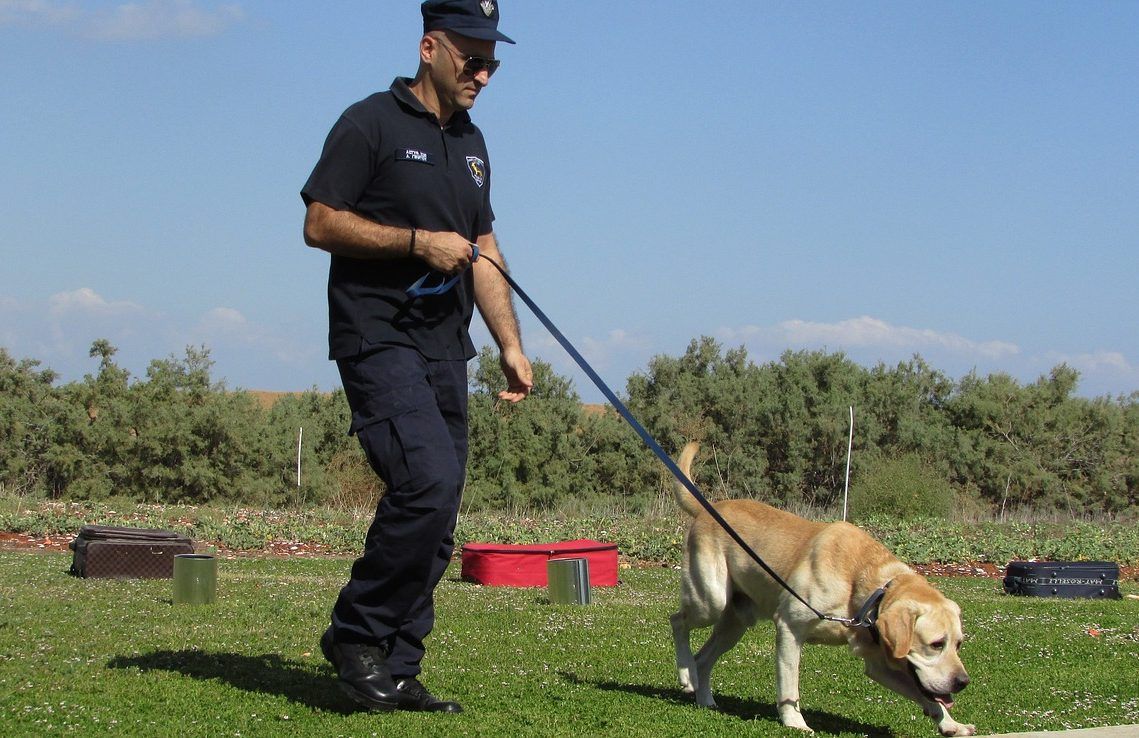
Police dog trainers also have to train dogs on how to search within buildings or specific areas for both the detection of people and objects in addition to search-and-rescue operations. More advanced training can even include training the dogs to detect drugs and explosives.
As you can see, there is a lot of work involved with being a police dog trainer. But one of the important things to remember is that you aren’t training these dogs to be ridden or to perform tricks in shows. You are training these dogs to be valued and productive members of society and to serve a much larger purpose of protection and keeping people safe.

What Are the Qualifications/Requirements for Police Dog Trainers?
The exact qualifications and requirements needed to be a police dog trainer will vary on a state-by-state basis. However, in most cases, you will have to go through a training course and obtain so many hours of coursework. In general, these courses usually last between 12 and 16 weeks. They may be offered through colleges, career centers, or independent dog training schools and academies, and they all require payment.
In addition to specialized training, becoming a police dog trainer usually requires a certain amount of experience working with animals. In most cases, the minimum requirement is 3 years, but this doesn’t have to be paid, professional dog training. Some states may accept volunteer hours as experience, so don’t think that you can’t be a police dog trainer if you have no prior paid experience with training animals.
Other requirements for police dog trainers may also depend on whether or not you are working for a police department or a private contractor. Usually, you have to be of a certain age. But when working for a police department, every employee has to undergo a background check and have no criminal record.
Remember that these are just general requirements. If this is a career that you might be interested in, it is important to do your research beforehand. Find out the particular requirements for your state, as well as the general job availability and the types of training courses that are offered in your state.

How Long Does It Take to Become a Police Dog Trainer?
Again, it depends on the state you live in and the requirements of the state, police department, or company. If you have the required minimum experience, you can become a police dog trainer in as little as 3 months or the amount of time it takes you to complete the required training program.
If you don’t have prior experience working with animals, it can take up to 5-6 years to become a police dog trainer. Not only will you have to gain the required experience through volunteering or another career that involves working with animals, but you will also have to complete the required training program.
How Much Do Police Dog Trainers Make?
In general, animal trainers can make anywhere from $28,000 to $65,000, with the median wage being around $38,000. The exact salary that an animal trainer earns depends on which industry they work in.
Police dog trainers are considered to be part of local government under the specific category of "Protective Services." This is one of the top-paying industries for animal trainers, and the mean annual salary that a police dog trainer can earn is around $48,000. The downside is that this is also one of the industries with the lowest levels of employment for dog trainers.
It’s worth noting that a police K-9 trainer's salary will vary based on the state you live in and whom you work for. You should do your research to compare the salaries offered by specific states and employers before deciding if this career may be right for you. Sometimes, police dog trainers can become private contractors. In this case, they are essentially running their own business, and they can decide how much they want to charge for their services.

How Can You Gain Experience Working With Animals?
Let’s say that you’ve done your research and have decided that you want to be a police dog trainer, but you have no experience working with animals. How can you get that experience? There are several ways that you can do this, both through paid and volunteer work.
It’s important to remember that each state, training program, or employer may have its own requirements for what they consider to be acceptable experience. That said, here are a few ideas that can help get you started.
For volunteering, check out animal shelters, zoos and wildlife centers, or national and state parks in your area. Many of the places mentioned offer volunteer programs for those who are interested in working with animals. You can almost always volunteer without any sort of diploma, which means this is perfect for high school and college students who are looking to gain valuable experience.
Working at a veterinary clinic, farm, or even a pet store as a dog groomer can be a great opportunity to earn paid experience working with animals. You can also start out working as an animal obedience trainer or another type of animal trainer that requires less specialized experience.
Finally, choosing an animal-related field for your college education, along with work studies and internships, can help you gain the knowledge and experience needed to kickstart your career as a police dog trainer.
Final Thoughts
If you want a career working with animals while making a difference in your community, consider becoming a police dog trainer. This career does require a certain amount of training and experience to get you started, which varies depending on where you live. But once you’ve gained the education needed, you can make a nice living helping train dogs to serve and protect the community.
Related posts:
Sources
Featured Image Credit: dimitrivetsikas1969, Pixabay
Expert dog care, straight to your inbox
Vet-reviewed advice, training tips, and the best of Dogster. Free, and you can unsubscribe anytime.
By signing up, you agree to our Terms & Conditions and Privacy & Cookies Policy.
Nicole has loved animals of all sizes her whole life so it's no wonder she has dedicated her career to helping them through what she loves best: learning, writing, and sharing knowledge with others. She’s the proud mom of two dogs, a cat, and a human. With a degree in Education and 15+ years of writing experience, Nicole wants to help pet parents and pets around the planet to live happy, safe, and healthy lives.
Join the conversation
Ask a question, share your story, or send private feedback.