How Much Do Boston Terriers Drool? Breed Habits & Vet-Approved Management Tips


In this article
Whether you're considering bringing home a Boston Terrier for the first time or have noticed an increase in drooling in your dog, it's only natural to seek answers regarding their drooling tendencies.
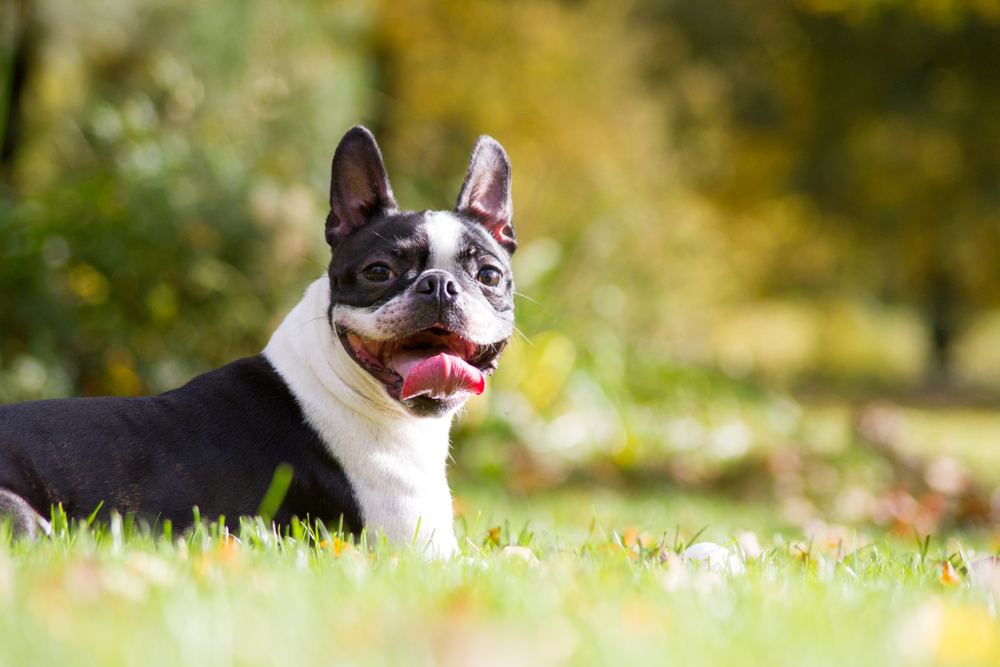
Boston Terriers are loving and adorable dogs with low drooling tendencies. Their distinctive appearance, lively personalities, and affectionate nature make them a favorite breed among pet lovers.
In this article, we will delve deeper into Boston Terriers and drooling and provide practical tips to manage and reduce it.

How Much Do Boston Terriers Drool?
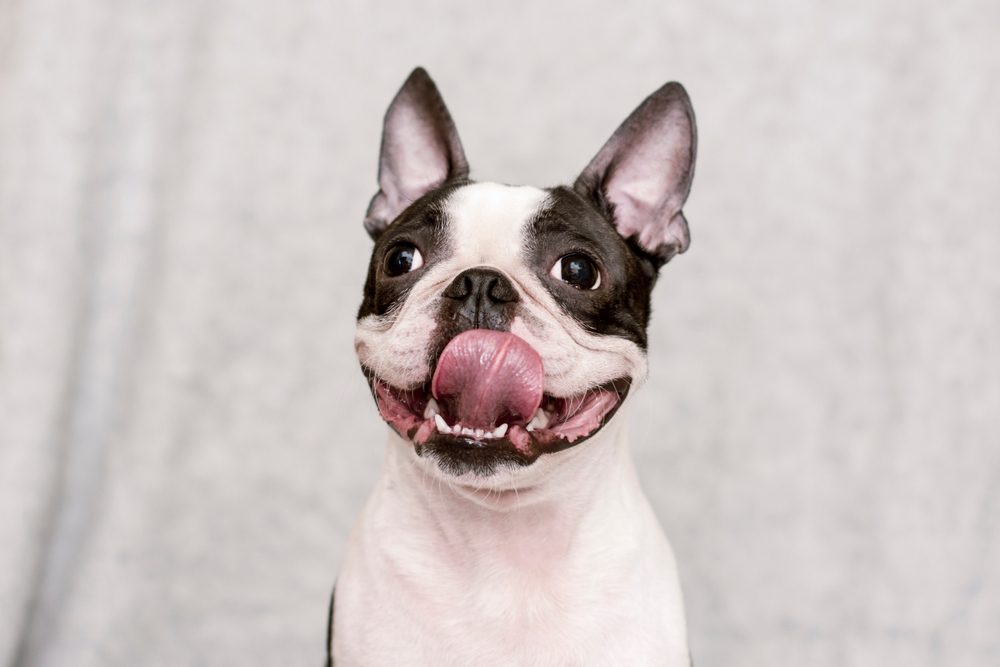
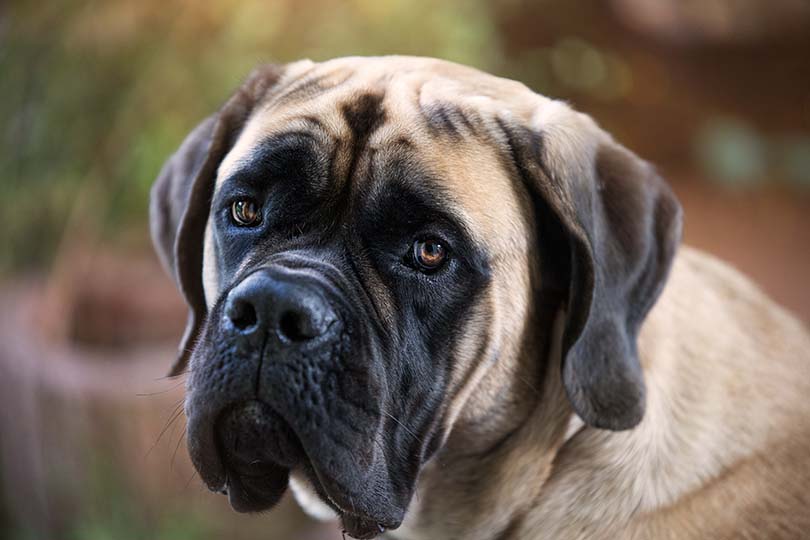
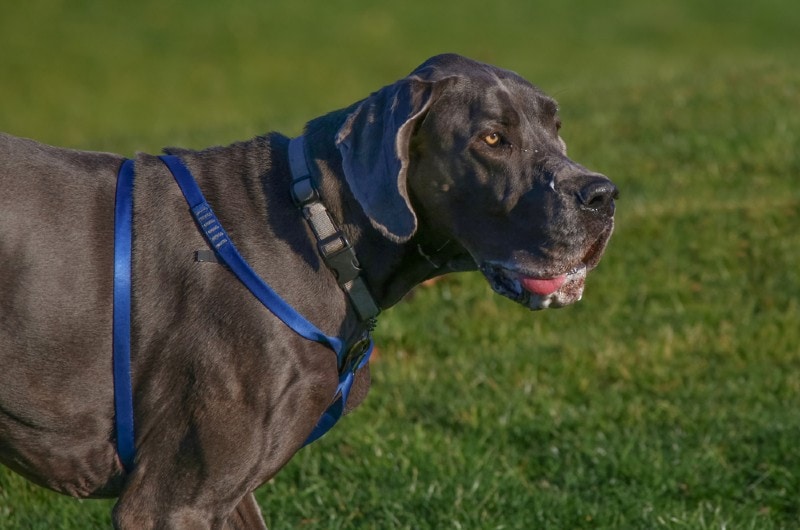
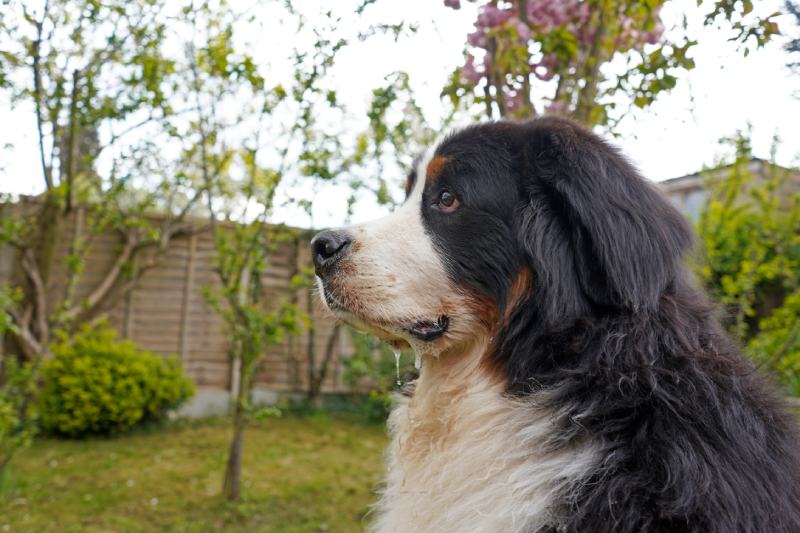
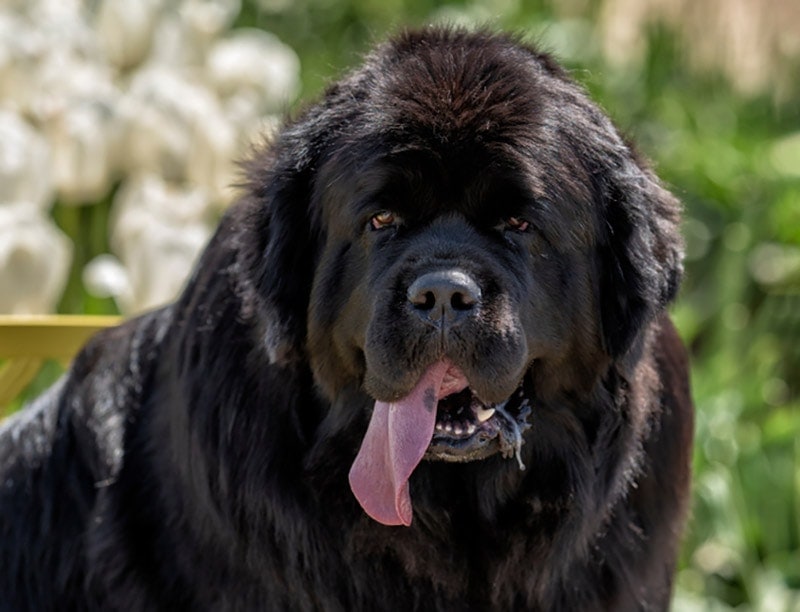
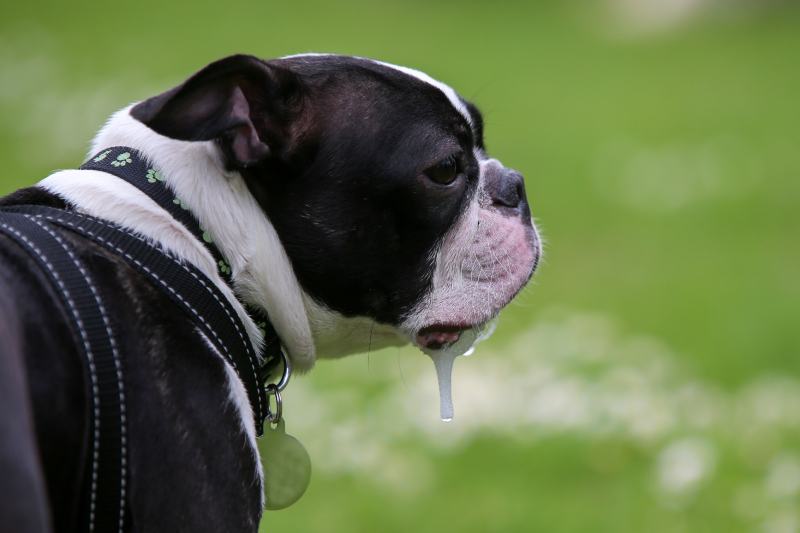
Boston Terriers are generally a low-to-moderate drooling breed. They tend to have minimal drooling compared to other breeds, such as Mastiffs or Saint Bernards.
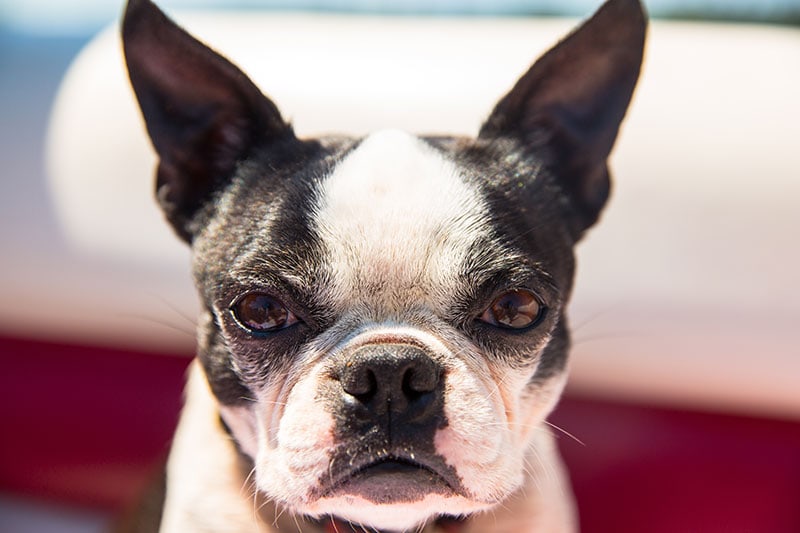
This is all thanks to their unique facial structure. They have a relatively short, compact muzzle with a slightly undershot bite, which means their lower jaw extends slightly beyond the upper jaw. This feature may contribute to their generally lower drooling levels compared to heavier jowled breeds.
However, it's important to note that individual dogs within the breed may still exhibit varying degrees of drooling.


What Causes Drooling in Boston Terriers?
Drooling in Boston Terriers can be attributed to a variety of factors. Here are some of the more common ones, but please note this list is not exhaustive.
1. Excitement or Anticipation
Boston Terriers are known to be lively and enthusiastic dogs.
Playtime, meals, walks, or other exciting experiences can activate their salivary glands and cause drooling. This drooling is typically temporary and subsides once the excitement or anticipation diminishes.
2. Heat and Panting
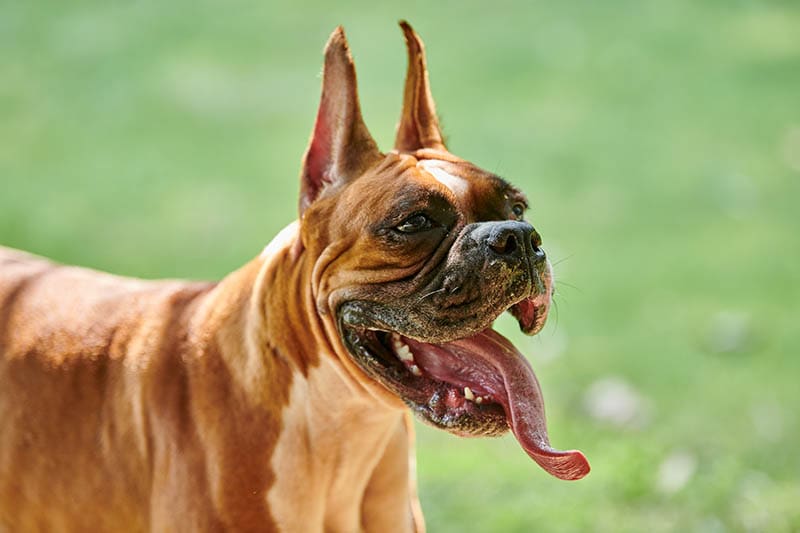
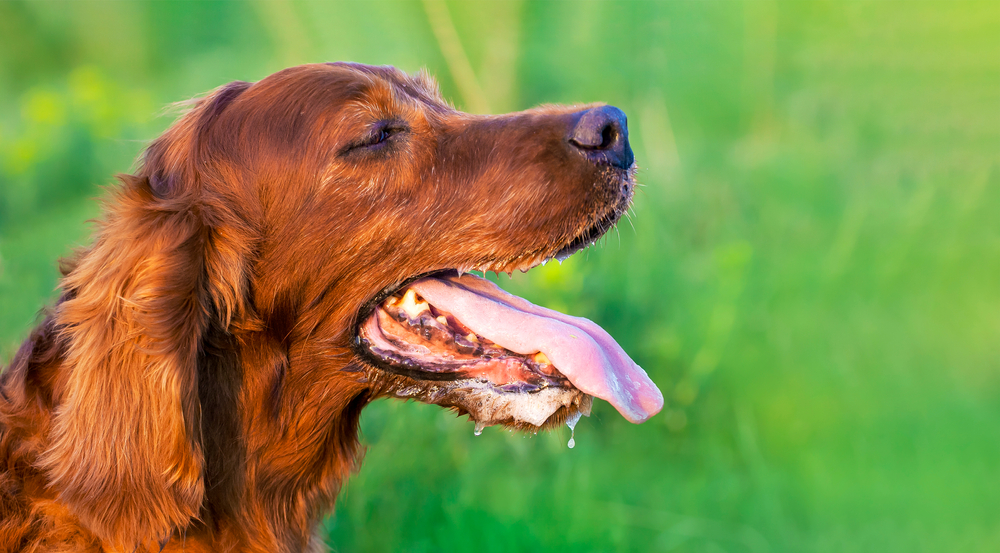
Like other dogs, Boston Terriers pant to regulate their body temperature when it’s hot. Panting involves rapid and shallow breathing, which may cause increased salivation. As a result, your dog may experience increased drooling during hot weather. This is a natural response to dissipate heat from their bodies.

3. Nausea or Gastrointestinal Issues
Your dog can also drool because of nausea or gastrointestinal discomfort. The animal will drool more if it has an upset stomach or indigestion. Excessive drooling is often accompanied by other signs such as vomiting, loss of appetite, or lethargy. In such a situation, consult a veterinarian immediately.
4. Dental Problems
Boston Terriers may also drool excessively due to poor dental health.
Oral issues such as gum disease, tooth decay, or infections can cause discomfort and increased salivation. Your Boston Terrier's drooling will appear persistently or be accompanied by signs of dental problems such as bad breath, swollen gums, or difficulty eating. Schedule a dental examination with a veterinarian to fix the underlying problem before it worsens.
How to Manage and Reduce Drooling in Boston Terriers
Your Boston Terrier’s drooling can sometimes be an inconvenience or a cause for concern. It may not be possible to eliminate drooling in these dogs, but there are things you could do to manage and reduce the drooling.

1. Keep Water and Food Bowls Elevated
Raising the height of your Boston Terrier’s water and food bowls can sometimes help reduce drooling during meals. Place the bowls at a comfortable level to minimize the strain on their neck and help your dog eat with ease.
2. Use Bibs or Drool Towels
Consider using drool bibs or towels around your Boston Terrier's neck, especially during mealtime. This is when they're likely to drool more. Drool bibs and towels can help absorb and catch the drool, keeping their chin and chest area clean and dry.
3. Regular Grooming
Proper and consistent grooming habits are essential for managing drooling. Wipe your Boston Terrier's mouth and chin after meals or when drooling occurs to keep them clean and dry. Regularly cleaning their facial folds and ensuring their teeth and gums are healthy also contribute to oral hygiene.

4. Training and Behavior Modification
Train your Boston Terrier to respond to a command like “chin” or “wipe” to encourage them to rest their head or remain still while you wipe their mouth. This can be accompanied by providing them with a soft cloth or towel to wipe their mouth after drinking or drooling. Consistent reinforcement of this command can help minimize drool-related messes.
5. Reduce Anxiety and Stress
Creating a calm and secure environment for your Boston Terrier is crucial. Remember, stress and anxiety can contribute to increased drooling. Provide your dog with a comfortable and quiet space, engage in regular exercise and mental stimulation, and consider techniques such as desensitization or using calming aids recommended by your veterinarian.
6. Veterinary Care and Consultation
Schedule regular dental examinations for your Boston Terrier to ensure their oral health is optimal. Professional dental cleanings and treatments can address any underlying issues contributing to drooling.

Keeping Your Boston Terrier Safe and Healthy
Here are some tips to help you provide a safe and healthy environment for your Boston Terrier and reduce the risk of drooling-related issues.
Provide a Balanced Diet
Your Boston Terrier’s diet should be balanced and nutritious to meet its nutritional needs. A well-balanced diet promotes good health, which may help reduce drooling in cases where it is linked to digestive issues or poor health.
Consult a veterinarian to determine the appropriate type and amount of food for your dog if not sure.
Properly Manage Your Dog’s Weight
It is important that your dog maintains a healthy weight.
Obesity can contribute to other health issues, such as heart disease and respiratory problems, and may indirectly worsen drooling in some dogs. Monitor your dog’s calorie intake, provide appropriate portions, and exercise regularly to keep them at optimal weight.
Provide Regular Exercise
Regular exercise keeps them physically and mentally stimulated. Consider taking your dog on daily walks, interactive playtime, and activities that help prevent boredom and anxiety. This may help reduce stress-related behaviors, which can sometimes contribute to drooling.

Offer Proper Dental Care
Maintaining a proper dental care routine for your dog will go a long way in preventing excessive drooling.
You can do this by regularly brushing their teeth with a dog-specific toothbrush and toothpaste recommended by your veterinarian. Brushing helps prevent dental issues such as gum disease and tooth decay, which can contribute to excessive drooling.
Consider dental treats and safe chew toys as an addition to regular brushing to help support oral health. Chewing on appropriate items can help remove plaque and tartar buildup, reducing the risk of dental problems and drooling.
Keep the Temperature Within Safe Levels
Boston Terriers are susceptible to heat exhaustion and heat stroke due to their brachycephalic (short-nosed) structure.
Don’t expose them to extreme heat; ensure they have access to shade, fresh water, and a well-ventilated environment. Monitor them closely during hot weather to prevent overheating and excessive drooling.

Remove Any Hazards and Toxins
You should create a safe living environment for your Boston Terrier by eliminating potential hazards and toxins. Keep household cleaners, chemicals, medications, and harmful plants out of their reach. Also, secure garbage cans and other potentially dangerous items to prevent ingestion.
Maintain Regular Veterinary Check-ups
Schedule routine veterinary check-ups to monitor your Boston Terrier's overall health. Vaccinations, parasite prevention, and regular examinations are essential for their well-being and can help prevent or manage conditions contributing to drooling.
In Conclusion
Boston Terriers are generally not excessive droolers. Their unique facial structure contributes to their reduced drooling tendencies. However, it's possible to see significant drooling due to factors such as dental problems, stomach issues, excitement, anticipation, heat, and panting. Nonetheless, it is typically minimal and manageable.
Ultimately, Boston Terriers can lead happy and drool-free lives with proper care and attention to their well-being.
See also:
Sources
Featured Image Credit: Sue Thatcher, Shutterstock
Expert dog care, straight to your inbox
Vet-reviewed advice, training tips, and the best of Dogster. Free, and you can unsubscribe anytime.
By signing up, you agree to our Terms & Conditions and Privacy & Cookies Policy.
Nicole has loved animals of all sizes her whole life so it's no wonder she has dedicated her career to helping them through what she loves best: learning, writing, and sharing knowledge with others. She’s the proud mom of two dogs, a cat, and a human. With a degree in Education and 15+ years of writing experience, Nicole wants to help pet parents and pets around the planet to live happy, safe, and healthy lives.
Join the conversation
Ask a question, share your story, or send private feedback.