How Fast Can Shih Tzus Run? Average Speed & Breed Comparison


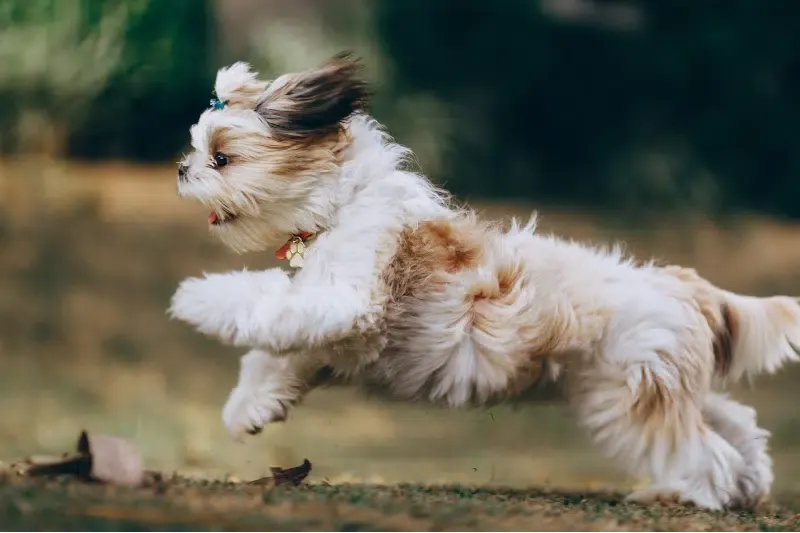
When you think about fast dogs, you likely think of the Greyhound. The Shih Tzu is not a breed that immediately comes to mind when gauging the speed of a dog. After all, they were bred to be lapdogs for royalty, not for chasing or racing.
The average running speed of the Shih Tzu is estimated to be around 6 to 8 mph (9.7 to 12.9 km/h), which isn’t the slowest of dog breeds but certainly nowhere near the fastest. Keep in mind this is a general estimate based on observations rather than formal scientific studies, so it should be considered approximate.
Keep reading if you’d like to learn more about the Shih Tzu, including how slow the slowest dog runs and how much exercise a Shih Tzu needs.

How Fast Can a Shih Tzu Actually Run?
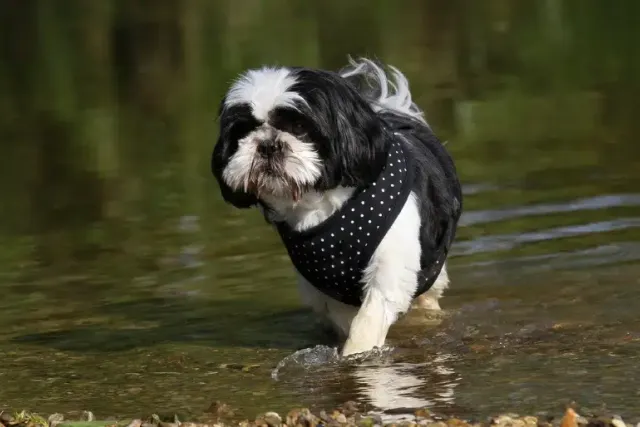
The average speed of a Shih Tzu is approximately 6 to 8 mph. However, individual speeds can vary, and slower and faster Shih Tzus are out there. How fast a Shih Tzu runs depends on several factors, such as their health and age, conditioning, and whether their coats are clipped short or not.
The fastest Shih Tzu is Sweetiepie, which was clocked at 21.12 mph (33.9 kph) in 2021 and 18.54 mph (29.8 kph) in 2022! This was through AKC’s Fast CAT (Coursing Ability Test), in which select dogs' speed is tested by chasing a lure.
But how does the average Shih Tzu's running speed stack up against that of other animals?
| Animal | Running Speed (mph) |
| Pug | 5–10 mph |
| Shih Tzu | 6–8 mph |
| Human | 8–15 mph |
| Gray Wolf | 31–37 mph |
| Greyhound | 40-45 mph |
| Springbok | 55-60 mph |
| Cheetah | 60–70 mph |

Why Don’t Shih Tzus Run Very Fast?
The Shih Tzu is contending with several features that impact their running speed. First, they are small dogs and relatively stocky.
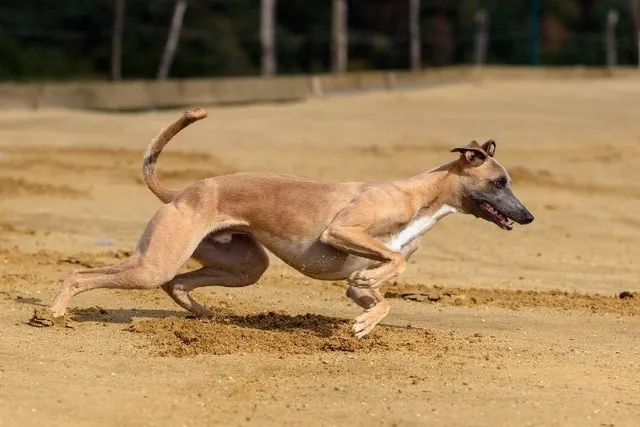
Greyhounds have long, slim legs and bodies. Even their snouts are long and thin, which makes their bodies quite streamlined—these dogs are built for speed! Shih Tzus were selectively bred primarily as companion dogs, and their body structure is not optimized for high-speed running.
The Shih Tzu is also a brachycephalic breed, which means they have a short snout and a flat face. Dogs (and cats) with flat faces have shorter upper airways, so they can struggle to breathe during heat stress or intense exertion.
Short legs and long coats can also hinder the Shih Tzu’s speed, especially if they are older or have other health conditions. All these aspects can factor into why Shih Tzus are slower compared to more athletically built breeds.
Speed Is Relative
The kind of speed being discussed here is in sprinting and sudden bursts of speed. Animals built for bursts can’t maintain high speeds—the Cheetah is a perfect example of this. They are the fastest animals on land, but can only maintain their top speed for brief periods. Their average hunting speed is often lower, with high-speed chases typically lasting only seconds before the animal must slow down to recover.
Animals like the wolf are built for endurance, so they can sustain speeds of 5–8 mph (8–13 km/h) over longer distances, and are known to travel many miles in a day depending on conditions and prey availability.
Shih Tzus are more sprinters than endurance dogs, but they aren’t that fast either way.

What Kind of Exercise Does a Shih Tzu Need?
Not only are Shih Tzus not known for running, but they aren’t athletic either. They were bred to be lap dogs, which is what they do best. But these dogs will run when given a chance.
Shih Tzus can do well in agility courses and can be quite energetic, but their exercise needs are moderate. Due to their brachycephalic conformation, which can increase the risk of heat intolerance and reduced exercise tolerance, it’s typically best to break their exercise into several walks spread throughout the day.
Two to three walks of 15 to 20 minutes every day are generally appropriate for adult Shih Tzus. On hot summer days, keep the walks short and ensure that they have enough water and shade. Besides walks, playtime with your Shih Tzu is also necessary every day. This gives them additional exercise and a stronger bond with you.
But when it comes to more strenuous activities, such as hiking and running, Shih Tzus aren’t well-suited for prolonged or high-intensity exertion. Still, many Shih Tzus do successfully hike with their owners. Just be prepared to carry them at times, and ensure that they have access to water and shade.
Running is another story because they may develop respiratory distress or overheating if pushed to run for extended periods, particularly in warm or humid conditions.
When a Shih Tzu Becomes Overexerted
This is when being a brachycephalic breed can be a significant issue. Heat exhaustion is a serious and potentially life-threatening condition when a dog overexerts itself, and brachycephalic breeds like the Shih Tzu may be at increased risk. Panting is normal, but if your dog is struggling to breathe, call your vet immediately.
Other signs of heat exhaustion include:
Once you’ve noticed any of these signs, you should begin gradual cooling measures immediately. This can be done with cool water (not cold), applied to the body, especially the abdomen and paws, and offer small amounts of water if the dog is conscious and able to drink safely.
Call ahead to the closest emergency clinic or your vet to let them know that you’re on the way, and they can give you further advice on how to treat your dog on your way there.
Conclusion
While Shih Tzu isn’t the fleetest of foot, they aren’t as slow as the sloth (which moves about 45 meters per hour, which is apparently slower than a snail!). Every dog has their own unique temperament and energy level, so some Shih Tzus might live to run, while others will prefer to snooze on your lap. Fast or slow, enjoy your daily walks with your dog!
Related Read:
Featured Image Credit: Helena Lopes, Pexels
Expert dog care, straight to your inbox
News, insights, expert advice, and everything dog.

No spam — unsubscribe anytime.
By signing up, you agree to our Terms & Conditions and Privacy & Cookies Policy.
How useful was this post?
Click a star to rate. You can leave written feedback afterwards. (We read all feedback.)
Kathryn was a librarian in a previous lifetime and is currently a writer about all things pets. When she was a kid, she hoped to work in a zoo or with wildlife in some way, thanks to her love for animals. Unfortunately, she's not strong in the sciences, so she fills her days with researching and writing about all kinds of animals and spends time playing with her adorable but terribly naughty tabby cat, Bella. Kathryn is hoping to add to her family in the near future – maybe another cat or two and a dog.