How Fast Can Labradoodles Run? Facts & FAQ

In this article
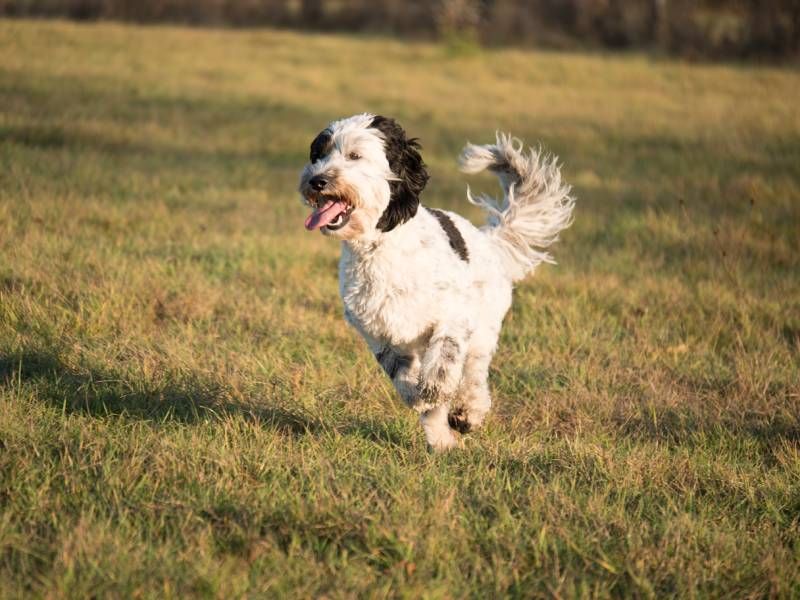
Running is more fun with a companion, and many people enjoy dogs that enjoy running as much as they do. Fortunately, Labradoodles are a great choice for a running partner since they can hit a top speed of around 25–30 mph for short bursts, with a much lower sustainable running pace depending on the individual dog’s fitness, size, and conditioning.
Find out more about how fast a Labradoodle can run and how you can create the best running companion with your dog.

Labradoodle Running Speed
There are no scientific records of the Labradoodle’s running speed. Some dogs may reach speeds near the 25 mph range briefly; their sustained running speed is considerably lower and varies based on size, conditioning, and individual fitness. Labradors are bred to retrieve, so they must be able to maintain moderate endurance over distances rather than high speeds. Similarly, Poodles were originally bred to hunt and retrieve.
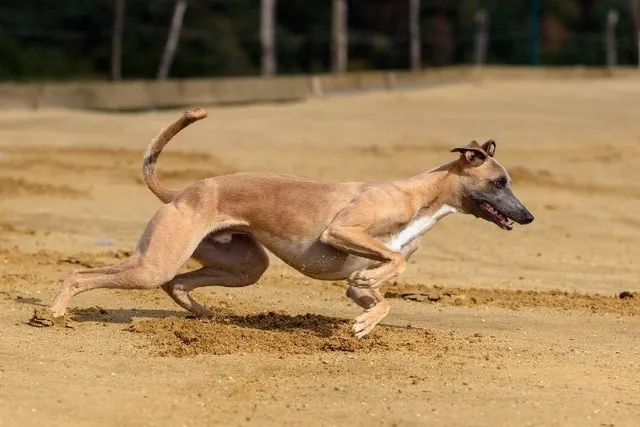
The fastest dog, a Greyhound, can clock speeds of 40 mph. Small and toy breeds, with their small stature and short legs, can only reach speeds of about 5 or 10 mph. Large or giant breeds, such as the Newfoundland, are too heavy and stocky to be quick.
The middle range, such as German Shorthair Pointers, Siberian Huskies, and Dalmatians, are close to the Labradoodle in size and build—neither heavy nor especially light. They have top speeds that often fall between about 20 mph and 30 mph, though sustained running speeds are lower and depend on conditioning and workload.

What Affects the Labradoodle’s Running Speed?
Labradoodles are a mixed breed that includes a Labrador Retriever and a Poodle. Though these dogs have similarities across litters, their genetics are variable and depend on the traits of the parents and how they are expressed in the puppies.
Though some Labradoodles may reach sprint speeds of around 25–30 mph in short bursts, that doesn’t mean all of them will. Their sustained running pace is much lower and varies widely between individuals. Some may be faster or slower, especially depending on age, conditioning, body condition, and underlying health or mobility issues.

Are Labradoodles Faster Than Other Animals?
Labradoodles have impressive running speeds, but they fall short of some of the fastest animals in the world.
| Cheetah | 0–60 mph in 3 seconds |
| Springbok | 55 mph |
| Lion | 50 mph |
| Wildebeest | 50 mph |
| Pronghorn | 35 mph |
| Labradoodles | around 25–30 mph (short bursts) |
Labradoodles are still fast dogs, however, especially with a sprint. And even if you have a slower Labradoodle, it’s still faster than the average human and more than capable of keeping up on a daily run.
With average running speeds closer to about 6–8 mph for recreational runners, even many toy breeds are faster than humans. The fastest track athletes still have an average speed closer to 20–25 mph during short sprints rather than sustained running, so it’s more likely that you’ll be struggling to keep up with your dog, not the other way around.

How Should I Start Running with My Labradoodle?
If you want your Labradoodle to accompany you on runs, it’s important to take proper precautions. Puppies shouldn’t be out on rigorous runs, as it can damage their joints and hinder growth. Limit your time out to short, light jogs until your dog is an adult.
When that time comes, usually around 12 - 18 months, you can slowly build up your dog’s conditioning to prepare for regular running. Be sure to consult with your veterinarian to make sure your dog is fit and healthy as a running companion.

In Conclusion
If you want a running buddy, Labradoodles are a great breed for it. While they’re not the fastest breed, they can sustain speeds of 25 mph over distances and are perfectly capable of being alongside a slower human runner. But running should be fun for both of you, so make sure you take it slow and give your dog time to get fit for regular runs or jogs.
Sources
Featured Image Credit: Flyby Photography, Shutterstock
Expert dog care, straight to your inbox
News, insights, expert advice, and everything dog.

No spam — unsubscribe anytime.
By signing up, you agree to our Terms & Conditions and Privacy & Cookies Policy.
How useful was this post?
Click a star to rate. You can leave written feedback afterwards. (We read all feedback.)
Nicole has loved animals of all sizes her whole life so it's no wonder she has dedicated her career to helping them through what she loves best: learning, writing, and sharing knowledge with others. She’s the proud mom of two dogs, a cat, and a human. With a degree in Education and 15+ years of writing experience, Nicole wants to help pet parents and pets around the planet to live happy, safe, and healthy lives.