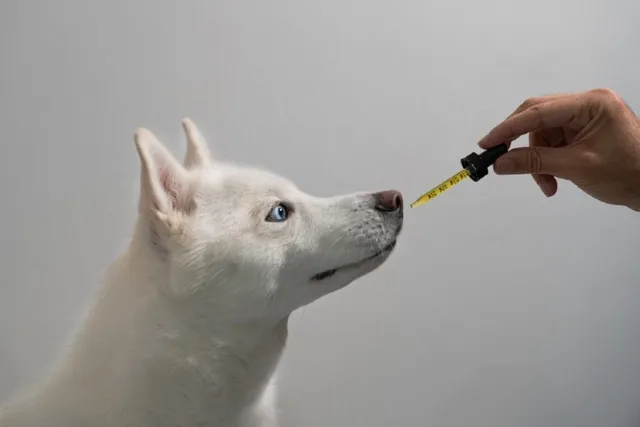
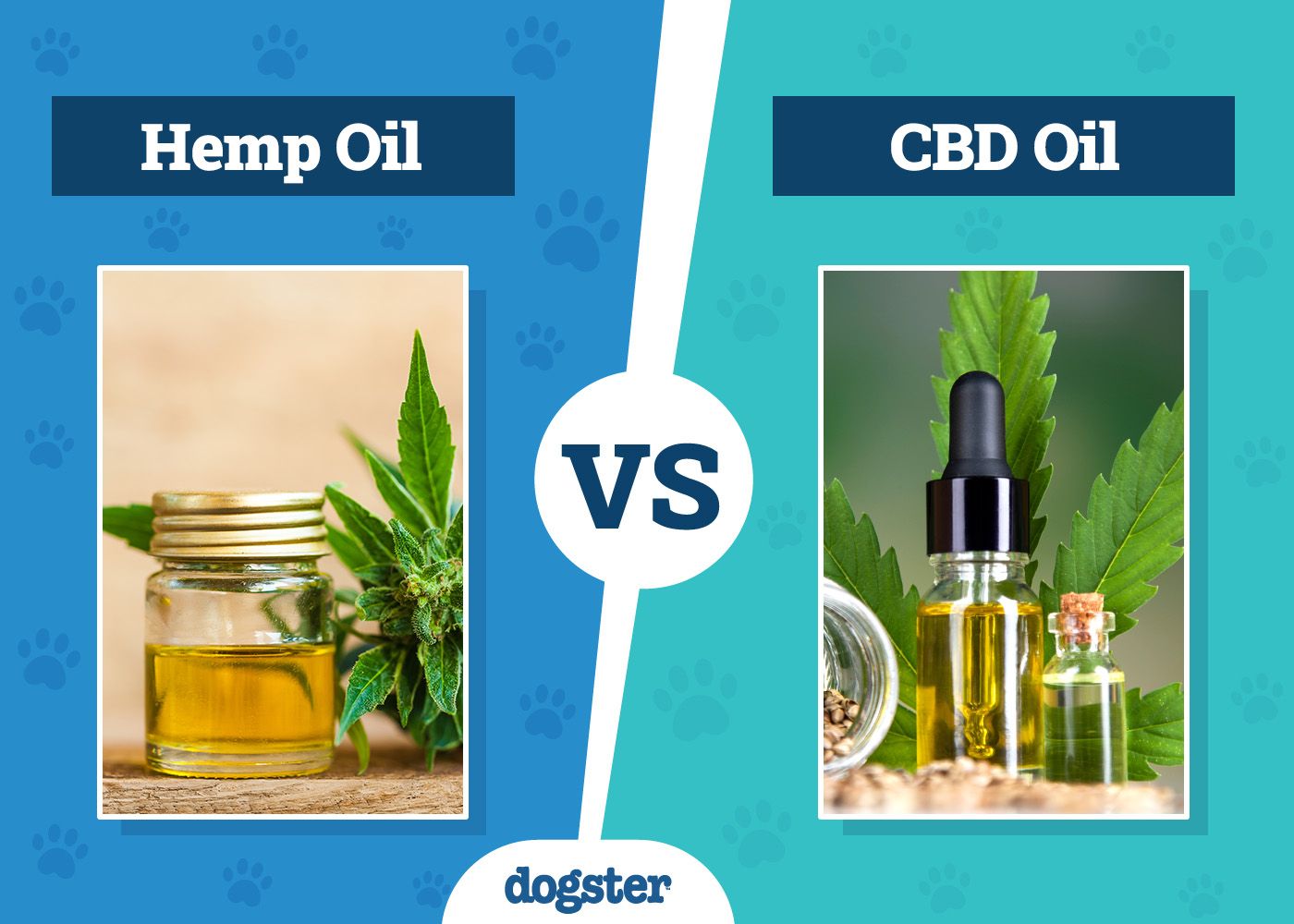
Hemp Oil vs CBD Oil For Dogs: Vet-Reviewed Differences


In this article
Both are produced from a variety of the Cannabis sativa (hemp) plant; hemp oil and CBD oil have grown in popularity as natural supplements and treatments for a variety of conditions. As humans have begun to use and benefit from these products, those who own dogs became interested in whether their beloved pets could be helped by them as well.
Most of the scientific research into the benefits of hemp oil and CBD oil centers around humans. However, early research is beginning into some of the medical claims and benefits of CBD oil specifically.
Current research suggests that CBD oil may have greater therapeutic potential than hemp seed oil for conditions such as osteoarthritis and certain seizure disorders, although more studies are needed. Hemp seed oil is primarily used as a nutritional supplement, particularly as a source of essential fatty acids, rather than for the potential therapeutic effects being studied with CBD. We’ll dig into the concrete differences in this article.

At a Glance
Let’s look at the key points of hemp oil and CBD oil.


Overview of Hemp Oil

How It’s Made
Hemp oil is produced by first removing the outer husk of the seed. The seeds are then cold-pressed to extract and collect the oil. To maintain the quality and nutritional value, hemp oil should be made and stored in a cool, dark location.
Nutritional Value
Hemp oil contains linoleic acid (omega-6) and alpha-linolenic acid (omega-3). It is a good source of vitamin E and essential fatty acids, but contains little protein or minerals in oil form.
Medical Benefits
In humans, hemp oil is mainly valued for its nutritional profile, with some potential medical benefits. Hemp seed oil may help support skin hydration and is sometimes used in people with dry skin conditions such as eczema.
Diets rich in unsaturated fatty acids, including linoleic acid found in hemp oil, may support heart health, although more research is required.
Hemp seed oil contains fatty acids that may have mild anti-inflammatory effects, but evidence for its effectiveness in conditions like rheumatoid arthritis is limited.
The benefits of hemp oil in dogs are just beginning to be studied. Some reports suggest it may support skin and coat health in dogs, but strong evidence for anti-inflammatory effects in dogs is still limited.
Is It Safe?
Hemp oil is generally considered well tolerated in dogs. In some cases, it may cause GI signs like diarrhea or vomiting.
Pros
- Safe, minimal side effects
- Provides nutritional value, particularly essential fatty acids and vitamin E
Cons
- Primarily a dietary supplement, not a treatment

Overview of CBD Oil

How It’s Made
CBD oil is produced from CBD extracted from the flowers and buds of the hemp plant. Various methods can be used for this process, each with its pros and cons.
How It Works
CBD works by indirectly interacting with a component of the nervous system called the endocannabinoid system. This system is involved in the regulation of the immune response, sleep, and pain sensations. Research is ongoing regarding how exactly CBD fits into this process.
While most CBD research centers on humans, other animals, including dogs, have an endocannabinoid system. This has led to interest in whether CBD may have similar effects in dogs as it does in humans, although research is still limited.
Medical Benefits
Unlike hemp oil, which is primarily used as a dietary supplement with secondary health benefits, CBD oil is being studied for use in medical purposes. CBD is sometimes used as a complementary or adjunct option alongside prescription medications, although there is one FDA-approved, CBD-derived medication used to treat childhood epilepsy.
For dogs, early research and first-hand experience from many pet owners suggest that CBD oil may help manage pain and inflammation, especially in dogs with arthritis and chronic pain, but more studies are needed.
Research also found that giving CBD oil with traditional epilepsy medications may help reduce seizure frequency in some dogs when used alongside conventional anti-seizure medications, but further studies are needed.
CBD may have anti-nausea effects in dogs, but this has yet to be supported by research.
Is It Safe?
CBD oil appears to be safe for dogs overall. Some elevations in a certain liver value have been noted in humans and dogs who’ve taken CBD. The significance of this is not known with certainty. Some dogs may become more sedate when taking CBD oil.
A major concern with the CBD industry is the lack of regulation, leading to uncertainty about how much CBD is present in products like CBD oil. Legal status varies by region, and in many areas CBD products are not formally approved for veterinary use. Veterinarians must be cautious about recommending CBD products because of this.
Pros
- Potential option under study for pain relief and seizure management
- Supported by early scientific research
Cons
- Lack of regulation
- Concerns for mislabeling of product
- Veterinarians may face restrictions in prescribing or recommending CBD products depending on local regulations
What Are The Differences Between Them?

Nutritional Benefits
- Edge: Hemp oil
Containing numerous beneficial nutrients, hemp oil is the better option for nutritional value due to its essential fatty acid content. CBD oil is produced from a different part of the plant and doesn’t contain the same nutrients.
Medical Benefits
- Edge: CBD Oil
Based on early research, CBD oil shows more potential for medical applications than hemp seed oil. Again, hemp oil is not used to actually treat medical conditions while CBD oil is being studied for potential therapeutic uses, including pain and seizure management.
Price:
- Edge: Hemp oil
CBD oil is more complicated and expensive to produce than hemp oil. Because of this, CBD oil is more expensive to buy.
Safety:
- Edge: Hemp oil
Both hemp seed oil and CBD oil are generally well tolerated, though CBD products may show more variability in effects and dosing. However, CBD oil is generally considered safe as well, with the possibility of some side effects as we discussed. CBD oil also has the extra danger of possibly being inaccurately labeled, leading to inconsistent dosing, and in poorly regulated products, THC contamination may occur.

What The Users Say
As we wait for further scientific research about the benefits of CBD oil and hemp oil, plenty of pet owners continue to use these products. We’ve taken a look at what some of these users have to say as we compare the differences between hemp oil and CBD oil in dogs.
Some surveys suggest a significant number of owners feel these products help their pets, though these findings reflect personal experiences rather than controlled clinical evidence.
Reviews of various hemp oil products find that many users report success with these products when it comes to helping ease pain and inflammation. Others purchased the product to help with anxiety and found less success. This is an example of the importance of transparency in labeling as there is currently limited and inconclusive evidence that either CBD or hemp oil helps with anxiety in dogs.
Owner reports commonly describe perceived improvements in pain and mobility, while results for anxiety are mixed, and current scientific evidence remains limited. CBD use for seizure management also shows variable outcomes, with some dogs responding better than others.
A major challenge reported by pet owners is the lack of standardized dosing guidance and product variability. In many regions, veterinarians may also face regulatory limitations when discussing or recommending CBD products, leaving owners to rely heavily on manufacturer labeling, which is not always consistent.
Summary
Both hemp oil and CBD oil are generally well tolerated in dogs when used under veterinary guidance and appropriately dosed. CBD oil has more supporting research exploring its potential therapeutic applications, including pain and seizure management, but it is not yet an established veterinary treatment.
Hemp oil is generally easy to obtain and faces fewer regulatory complexities than CBD oil. The quality and potency of CBD are not well-regulated, making it difficult for pet owners to know for sure what they’re getting when they purchase CBD oil.
So long as pet owners keep their expectations in line with what is scientifically supported instead of purely anecdotal evidence, CBD oil may be a safe option when used appropriately and under veterinary guidance, but its effects are still being studied. Hemp oil has its nutritional benefits as well, so long as owners are aware of the differences between the two products and don’t expect to see the same results with hemp oil as they might with CBD oil for certain applications.
Featured Image Credit: Aedka Studio, Shutterstock (Up), CBD-Infos-com, Pixabay (Down)
Expert dog care, straight to your inbox
News, insights, expert advice, and everything dog.

No spam — unsubscribe anytime.
By signing up, you agree to our Terms & Conditions and Privacy & Cookies Policy.
How useful was this post?
Click a star to rate. You can leave written feedback afterwards. (We read all feedback.)
Elizabeth Gray is a lifelong lover of all animals great and small. She got her first cat at 5 years old and at 14, she started working for her local veterinarian. Elizabeth spent more than 20 years working as a veterinary nurse before stepping away to become a stay-at-home parent to her daughter. Now, she is excited to share her hard-earned knowledge (literally--she has scars) with the readers. Elizabeth lives in Iowa with her family, including her two furry kids, Linnard, a husky mix and Algernon, the worldʻs most patient cat. When not writing, she enjoys reading, watching all sports but especially soccer, and spending time outdoors with her family.