11 Vet-Verified Great Pyrenees Facts That You May Not Know


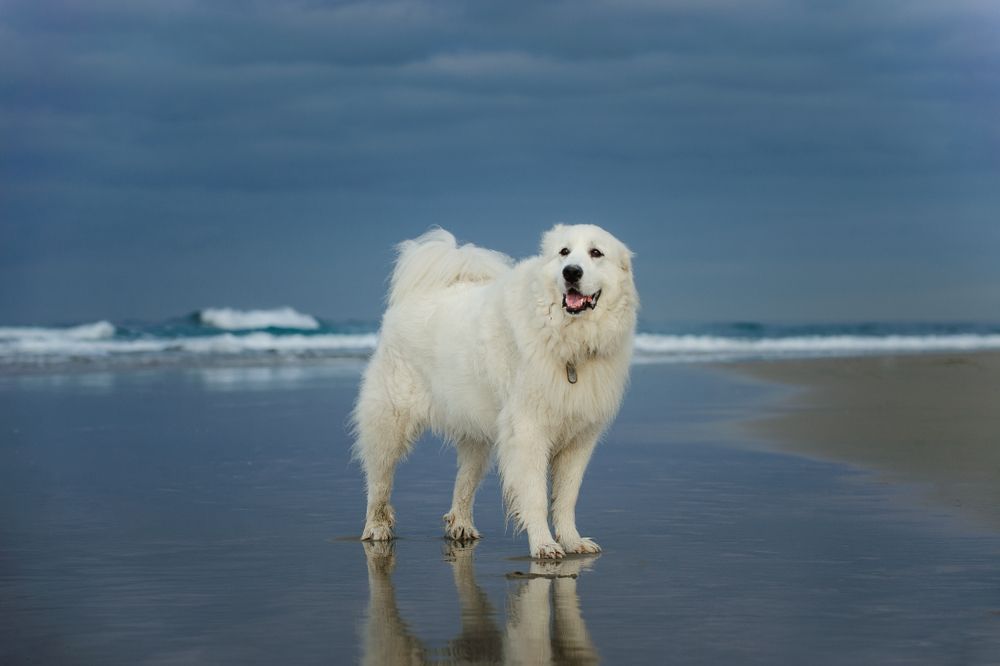
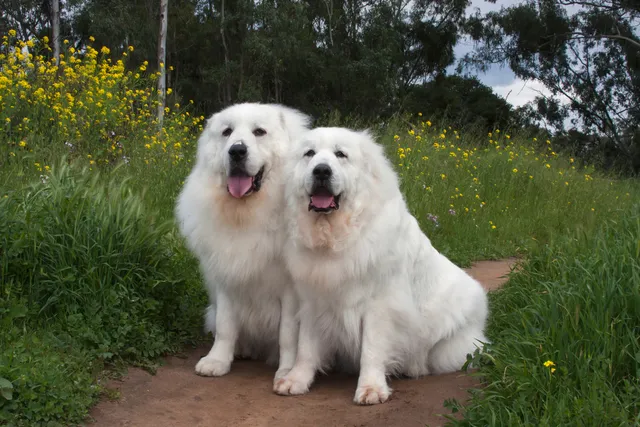
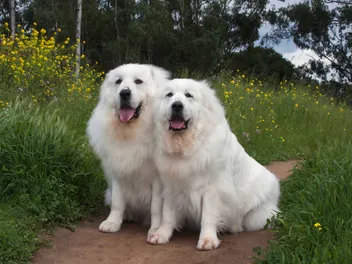
Great Pyrenees are beautiful and amazing dogs that have coexisted with humans for many years. While they’re most recognized for their large size and luxurious white coats, they have many other qualities that make them an exceptional dog breed.
According to the American Kennel Club, Great Pyrenees popularity rose up five ranks from 2022 to 2023, and they’re currently the 64th most popular dog breed in the US.1 Great Pyrenees are gradually gaining more recognition, and more people are starting to get to know them better. So read on to learn some fun facts about the Great Pyreness!

The 11 Fun Facts About the Great Pyrenees
1. Great Pyrenees Have Fossil Records
The Great Pyrenees is an ancient dog breed that has lived alongside humans for thousands of years. While the Great Pyrenees are native to the Pyrenean Mountains in Spain and France, their descendants likely came from mountain ranges of Asia Minor and worked alongside shepherds to herd and keep livestock safe. Fossils of Great Pyrenees that date to the Bronze Age have been discovered. It’s believed that the Great Pyrenees evolved from a type of white mountain dog that existed as far back as 11,000 years ago.
2. Great Pyrenees Have Several Names
Great Pyrenees are purebred dogs that go by multiple different names around the world. Outside of North America, they’re often referred to as the Pyrenean Mountain Dog. French-speaking countries call them “Le Grande Chien de Montagne des Pyrenees,” which means “the big dog of the mountains.” They’re also commonly called “Pyrs” or “Patou” for short.
The Great Pyrenees were first brought over to the United States in 1824. It wasn’t until 1933 that they were officially recognized by the American Kennel Club (AKC), and they were registered as the Great Pyrenees.

3. Great Pyrenees Have Been Pets of Royal Families
Great Pyrenees had humble beginnings as herding and working dogs for livestock farmers. However, they gained popularity during the French Renaissance years and became more sought out by the French nobility. Records from 1407 show that Great Pyrenees used to guard the Chateau Fort de Lourdes. They were also named the Royal Dog of France in 1675 by King Louis XIV’s royal court.
Great Pyrenees were also pets to British royalty. Queen Victoria of England was known for loving dogs, and she was documented to have a Great Pyrenees as a pet at least once in her lifetime.
4. Great Pyrenees Came to the US With the Marquis de Lafayette
The Great Pyrenees was introduced to the U.S. when the Marquis de Lafayette brought a pair with him in 1824. He gifted this pair to his friend J.S. Skinner, the author of The Dog and the Sportsman.
The Great Pyrenees population didn’t really grow in the U.S. until the 1930s. Mary Crane, a Boston socialite, had a friend who showed her a pair of Great Pyrenees puppies from Europe, and she fell in love with the breed. Mary and her husband Francis imported a pair of Great Pyrenees, and one of them sired the first Pyrenees litter born in the US and became the first Great Pyrenees to win an AKC championship title.

5. Great Pyrenees Puppies Have Big Growth Spurts
Great Pyrenees Puppies are born surprisingly small. They can weigh between 1–2 pounds, but they grow fairly quickly during puppyhood. They usually reach their full size by the time they’re 18-24 months old, which means that they can grow to between 70–140 pounds in just under 2 years.
6. Great Pyrenees Can Have Colorful Markings
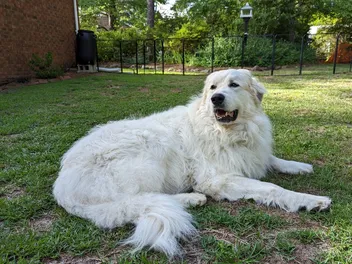
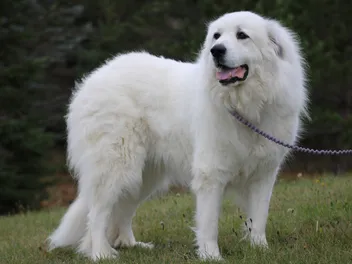
Great Pyrenees are typically known for having solid white coats, but they can show up with different colored markings as well. They can also have undercoats that are either white or shaded.
According to the AKC’s standards, Great Pyrenees can have a white base coat and have badger, gray, reddish brown, or tan markings. These markings can appear on their ears and head and as body spots. However, the coat can’t have markings that cover more than a third of the body.

7. Great Pyrenees Are Nurturing
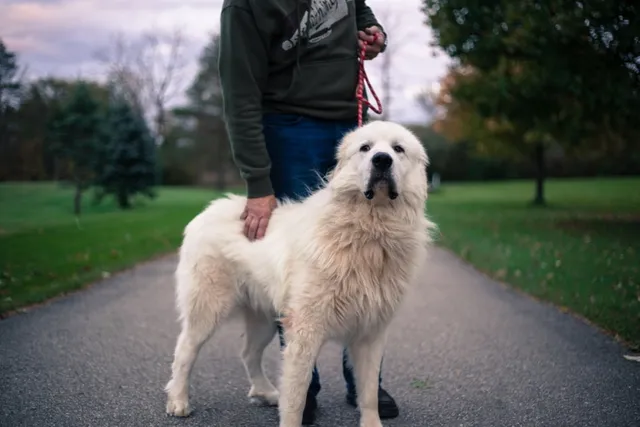
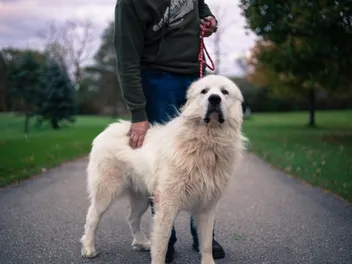
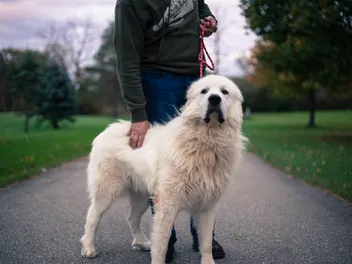
Many people who aren’t familiar with the Great Pyrenees are often intimidated by their large size. However, Great Pyrenees are actually gentle giants with a calm and confident demeanor. They can be nurturing with children in the family and are often patient and protective of them.
Great Pyrenees aren’t known to be aggressive dogs, and they’re usually easygoing. At the same time, they can be alert guard dogs who will be on the lookout and be wary of any potential threats to their families.
8. Great Pyrenees Served in World War II
During World War I, there was a decline in the Great Pyrenees population in Europe. While their numbers remained small afterward, they ended up playing an important role as artillery dogs during World War II. They helped carry supplies over the Pyrenees Mountains to allied forces between France and Spain.
Today, Great Pyrenees mostly live as companion dogs, guard dogs, or herding dogs. Although it’s less common, you can sometimes see a Great Pyrenees in search and rescue work.
9. Great Pyrenees Helped Preserve the St. Bernard
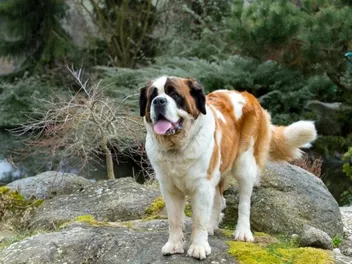
The St. Bernard population had faced a significant decline in the late 1800s due to distemper and avalanches in the Swiss Alps. To help revive the breed, several large dog breeds were incorporated into breeding programs designed to regrow the St. Bernard population. Great Pyrenees were one of dog breeds included in these breeding programs, and they helped to revitalize St. Bernards and save them from facing extinction.

10. Great Pyrenees Love Snow
As dogs that originate from the mountains, it’s no surprise that Great Pyrenees tend to love snow. They have a thick undercoat that keeps them warm in cold and frigid temperatures, and it’s common for them to have an extra spring in their step when they’re walking in the snow.
It’s clear that they love snow, but do Great Pyrenees like water, too? It doesn’t seem like Great Pyrenees are fans of water as much as they are of snow. While they can learn to swim, they aren’t known to excel at it.
11. Great Pyrenees Bark Loudly
Although they’re not yappy dogs, Great Pyrenees do have a very loud and booming bark that they’ll use on occasion. They’ll usually reserve barking for when they sense an intruder or threat on their family property.
Because of their loud bark, Great Pyrenees don’t often make good apartment pets. They can also feel cramped in small apartment spaces, and it can be difficult for them to get enough exercise when they’re living in crowded cities. Great Pyrenees usually do well living in suburban and rural neighborhoods where they have plenty of space to run around freely.

Conclusion
As you can see, there are lots of fun facts about the Great Pyrenees. This is a talented and special dog breed. Not only are they great in size, but they also have a great personality and have stepped in to become invaluable help to humans throughout history. We love that this breed is getting more recognition and hope to see their fanbase continue to grow and give them the love and appreciation that they deserve.
Featured Image Credit: everydoghasastory, Shutterstock
Expert dog care, straight to your inbox
News, insights, expert advice, and everything dog.

No spam — unsubscribe anytime.
By signing up, you agree to our Terms & Conditions and Privacy & Cookies Policy.
How useful was this post?
Click a star to rate. You can leave written feedback afterwards. (We read all feedback.)
Jessica is a freelance writer who spends bigger part of her day researching and writing while her furry companion Cavapoo, Nora, snoozes beside her. She loves dogs, pets and animals because there’s so much to learn from them, and they do so much for us. As a dog mom, she understands the strong connection that pet parents have with their pets. So, she loves sharing helpful information that pet owners can use to better understand their beloved pets. When she isn't writing, you may find her walking dogs, tending to her plants, or drinking her nth cup of coffee.