Do Great Pyrenees Bark a Lot? How Much & How To Stop It (Vet-Reviewed)


In this article
Is your Great Pyrenees a non-stop barking machine? If your Pyr just won’t give the yapping and woofing a break, know that you’re not alone. Great Pyrenees are well-loved by many as they make great family pets with their adorable, fluffy appearance. There’s so much to love about these furry beasts.
But like all dogs, they have their own quirks, and one of them is quite likely to be their barking. Yes, overall, Great Pyrenees can bark a lot, but the frequency can vary among individuals. But just because the breed has a tendency for vocalization doesn’t mean all is lost for your individual Pyr.
Barking is an instinct for the Great Pyrenees. When they feel a certain way, they let you know! However, with proper training, you can reduce excessive barking and maintain a harmonious relationship with your furry bestie.

Pyr Barking: Communication
Barking is a part of dog communication, along with body language and scent. The tone, pitch, and frequency of the bark vary depending on the message the dog is trying to convey. Listen out for the emotion in their noises. Low-pitched growls may be indicative of aggression or fear, whereas high-pitched barks may indicate excitement or playfulness. Your Pyr is trying to tell you something. In some cases, barking is simply a form of attention, especially if the dog has been left alone for a long time.
In addition to barking at unfamiliar sounds or sights, dogs also bark to alert and protect their family and home. Reply calmly and appropriately to your dog's barking. Yelling or punishing them could worsen the situation and reinforce negative behavior.
Great Pyrenees are naturally more vocal than many other breeds because they were bred to guard livestock and alert their owners to potential threats. While frequent barking can be normal for this breed, excessive or uncontrolled barking may indicate boredom, anxiety, or a lack of proper training and stimulation.

It’s in the Genes
These dogs have a long history of barking. Their ancestors were bred to protect flocks of sheep in mountainous regions, often alerting their humans to predators with loud, persistent vocalizations. Their whole purpose was to make a ruckus and drive off predators. Living high up in the mountains, they had to warn predators away from their flocks. This means that the most attentive, vocal, and Pyrs capable of protecting livestock effectively were the ones that got selected to breed the next generation of Pyrenees puppies—and on and on until we get to the barkers of today. Even today, Great Pyrenees continue to bark for various reasons, such as anxiety, protection, alerting to strangers, happiness, frustration—you name it.
How Much Barking Is Too Much for Great Pyrenees?
Barking is a natural form of communication for Pyrs, and they use it to communicate a variety of feelings and needs. However, some Pyrs are more likely to bark than others. The problem of excessive barking is one that many pet owners have to deal with. Everyone in the household can become frustrated when their Great Pyrenees barks excessively. How can normal barking be distinguished from excessive barking? It is important to know where to draw the line between normal Pyr behavior and excessive vocalization.
The Impacts of Excessive Barking
Normally, Great Pyrenees barking usually occurs in short bursts and is often a reaction to stress, excitement, or curiosity. In excess barking situations, Pyrs may repeatedly vocalize throughout the day and night for extended periods of time. An owner should consider addressing their pet's underlying anxieties or separation issues if they display this type of behavior. If not managed properly, excessively barking Great Pyrenees can also cause disturbances in the neighborhood and increase household stress levels. Reach out to a behaviorist or a veterinarian for advice on how to deal with excessive barking.
Protective Barking
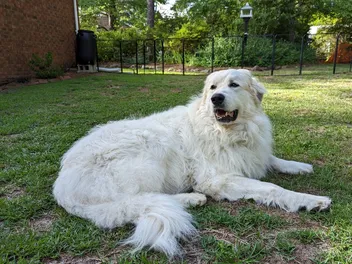
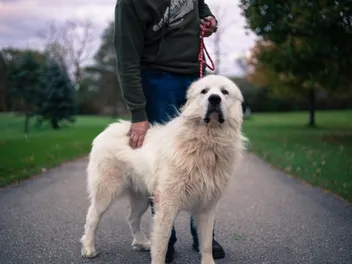
Great Pyrenees are majestic, gentle giants that have a lot of bark to them. This breed is highly protective of their family and home, so it's not surprising that barking is a common behavior. When such a large dog barks, it’s often perceived as quite scary—especially by guests or strangers who don’t know your Pyr well. If they hear an unfamiliar noise or see something that makes them feel uneasy, they may bark as a warning. No matter how they're raised or trained, some Pyrs tend to bark louder—and longer—than others.
In the end, no matter what is inherent in the breed, your Great Pyrenees' barking depends heavily on your training methods and the environment they live in. This protective barking is a natural response, but it's important to respond appropriately to help prevent negative behaviors from becoming reinforced.
Training your dog to respond positively to commands, such as “quiet” or “no bark”, can be extremely helpful in curbing the problem. Reinforce each command with treats and praise when executed correctly so that the desired behavior becomes second nature. Additionally, provide plenty of mental stimulation for your pet by introducing new activities and exercises into their daily routine: this will give them something else to focus on besides barking at perceived threats.

Boredom-Induced Barking
Like all dogs, Great Pyrenees need mental stimulation to keep them entertained. These are big dogs with big ol’ brains. If they're cooped up inside with no one to play with or too few toys, they may become bored. With nothing to bring joy to life, your Pyr may become grumpy. Boredom can lead to excessive barking, especially if the pooch has been left alone for extended periods of time. Not good!
So, make sure to provide your Great Pyrenees with plenty of mental stimulation and exercise to keep them happy and healthy. They’ll behave themselves better in a positive state of mind. This large breed of dog needs regular exercise and mental stimulation to stay fit and content. Give them what they need. A daily walk or a hike in the park can provide the physical activity they need to stay in shape, while playing fetch or agility games can help keep their minds occupied.
What your Pyr needs is action! The amount of exercise needed varies from dog to dog, depending on their age, health condition, and overall energy level. All dogs are different. However, it's important to give them plenty of time outdoors. They need that fresh air and stimulation. Aim for at least two hours per day so that they can get out all their pent-up energy.
Formal exercise is not enough on its own. It's also beneficial for them to have access to a securely fenced area where they can safely run around off-leash for short bursts throughout the day.
Separation Anxiety
Although Great Pyrenees are big dogs, they are also big softies at heart. They form strong bonds with their owners and can suffer from separation anxiety if left alone for too long. Signs of separation anxiety can include destructive behavior, pacing, and excessive barking or howling. If your Great Pyrenees is prone to separation anxiety, it's important to provide them with a designated safe space where they can chill while you're away. Crating can be an option for some dogs. Crate training can be effective if done positively, but any comfortable and safe area will work. Gradually increase the amount of time your dog spends alone to help them adjust and build confidence. Whatever area you set aside for them, gradually increase the amount of time they spend alone.


Conclusion
Great Pyrenees bark for multiple reasons, but the key to reducing unwanted vocalization is to address the underlying causes. By providing them with plenty of exercise and mental stimulation and addressing any separation anxiety they may have, you can help your furry friend become a happier and more relaxed pooch.
Featured Image Credit: Cody Hanson Photography, Shutterstock
Expert dog care, straight to your inbox
News, insights, expert advice, and everything dog.

No spam — unsubscribe anytime.
By signing up, you agree to our Terms & Conditions and Privacy & Cookies Policy.
How useful was this post?
Click a star to rate. You can leave written feedback afterwards. (We read all feedback.)
Nicole has loved animals of all sizes her whole life so it's no wonder she has dedicated her career to helping them through what she loves best: learning, writing, and sharing knowledge with others. She’s the proud mom of two dogs, a cat, and a human. With a degree in Education and 15+ years of writing experience, Nicole wants to help pet parents and pets around the planet to live happy, safe, and healthy lives.