Can Dogs Break Their Tails? Vet-Verified Facts & FAQ



In this article
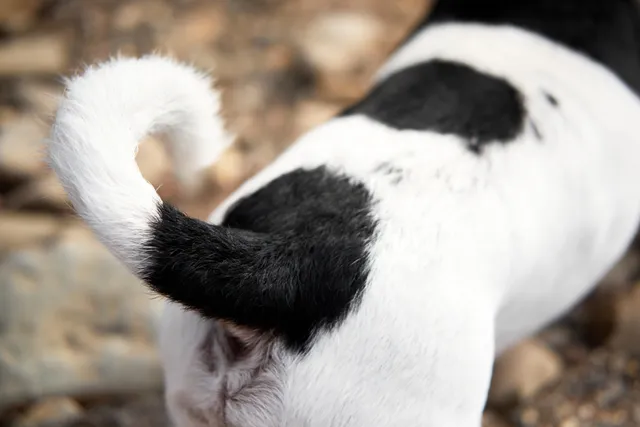
Dogs’ tails are used to express emotion, for balance, and even as an aid for swimming. And, while they appear to have minds of their own, dogs can move, manipulate, and control their tails at will. They are quite incredible appendages, but they also protrude from the body, can be easy targets, and are prone to injuries and other problems.
The tail is an extension of the spine and can contain up to 23 vertebrae, getting smaller towards the tip. Because the tail contains so many bones, as well as nerves and tendons, dogs can break their tails. Most owners have endured the heartbreaking sound of the whelp that accompanies their dog getting their tail trapped in the door, and this can cause a fracture. Other possible causes include falling and landing awkwardly on the tail or getting it caught in confined spaces.

About Dog Tails
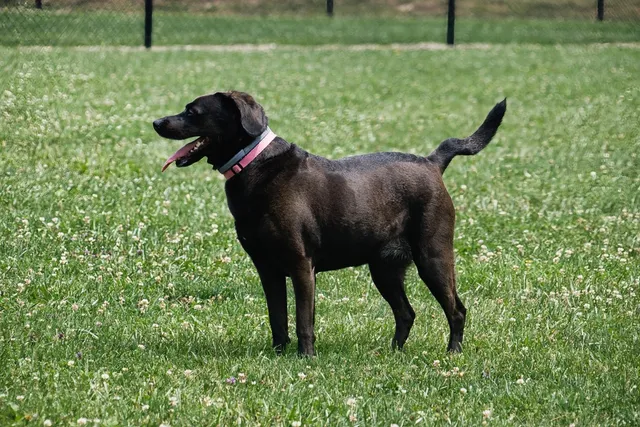
A dog’s tail is more than decorative. Dogs use them for balance, typically by directing the tail in the opposite direction to any feint or dodge. They use them for propulsion and direction while swimming. They also use them to communicate.
According to one study, the direction a dog wags its tail can also be a sign of its mood: a right tail wag indicates a positive mood, while a left wag indicates something negative or that your dog is being cautious.1 There are different types of tails, too, ranging from the “otter tail” to the “sickle tail.”

Tail Injuries and Illnesses
The tail consists of muscles, especially prominent at the base of the tail, that allow control over movement and position, tendons, nerves, blood vessels, and vertebrae. Overexertion of the tail can cause your dog to have a sore or aching tail, in the same way they can get soft tissue sprains in the legs.
The wagging of the tail means that it comes into contact with a variety of surfaces, some of which can be sharp or abrasive and may cause scratches or abrasions. A condition called “happy tail” causes tail wounds and occurs when a dog wags its tail repeatedly against a hard surface—this is especially common in dogs in shelters and rescues because they live in confined spaces and their tails naturally wag against the hard surface of the cage walls or floor.
“Swimmers tail” is tail pain caused by swimming, especially in cold water. The muscles of the tail become sore and inflamed, possibly due to strain or reduced blood supply caused by vasoconstriction in cold water.
Broken Tail
Although not common, dogs can fracture or break their tails. The vertebrae in tails are bones and these are susceptible to damage like any other bone. The vertebrae themselves can break or the joint between the vertebrae can luxate, resulting in malalignment.
Depending on the site of the fracture, as well as its severity and even its cause, a fracture may require treatment or may heal on its own. However, it should always be checked by a professional vet because at the bare minimum, your dog will need some pain relief and complications can occur if it is left untreated. Some cases will need additional care, especially if the nerves of the pelvis are affected, antibiotics, or other treatments.
Signs of a Broken Tail
A broken tail can be incredibly painful. Your dog may still try using the tail despite the pain. Signs of a broken tail include:
- Pain
- Crying
- Swollen or kinked tail
- Limp or weak tail
- Licking and biting the tail
- Possible wounds on the tail
- Lethargy
- Inappetence
Treatment
If the tail is fractured near the tip, it may not require treatment but should be checked over by a vet to look for other signs of injury or damage. If the break is further down towards the base of the tail, it may need to be bandaged or splinted, and nerve damage, which is more common at the base of the tail, will generally require specialized care and sometimes surgery.
The vet will prescribe pain medication and will want to fully examine your dog, especially if the injured tail has been caused by an accident or fall. In some cases, amputation of the tail may be recommended, especially for infected fractures or cases that fail to heal.

Recovery
The severity of the break will determine how long it takes to heal. A hairline fracture should be healed within six weeks. Whereas, a more complex fracture, especially one involving nerve damage, can take several months of recovery.
The tail may suffer permanent damage if the nerves are damaged, and the tail itself might have a kink or other malformation following the accident.
Prevention
Preventing a broken tail can be challenging because accidental damage is the most common cause.
- Ensure you give your dog time to get into and out of doors before closing them, and if you have a door that closes itself, find ways to slow the close or prevent it from closing when there is an obstruction.
- Ensure your dog is properly restrained while in the car. Sliding off the seat and landing tail-first on the floor is a possible cause of a broken tail.
- Puppies are more inquisitive than adult dogs and they are more inclined to get into situations that they can’t handle or that might lead to serious injury. Don’t leave young puppies unattended in areas where they could fall, which means taking special care at the top of stairs or when a young puppy is on a couch or other elevated furniture.
- Don’t allow your dog to rough play with other dogs, or dogs much larger than they are.

Can a Dog Sprain Its Tail?
Overusing the tail can cause a sprain in the tail muscles. This can occur especially after swimming when a dog uses its tail more than it would on dry land and with greater resistance, but it can occur after any incident that leads to the overuse of the appendage. This is why it is sometimes referred to as “swimmer’s tail.”
It can also be called “cold tail” because the condition is more likely in unusually cold temperatures. It can be very painful, and a vet should check the tail to ensure that it really is a sprain that you’re dealing with.
Treatment typically includes rest, which will mean limited exercise and certainly no swimming or freezing conditions. The vet might also prescribe anti-inflammatory medication to help reduce swelling and ease the pain.
Conclusion
The tail is a critical part of a dog’s anatomy that is used for everything from balance to showing emotion and communication. It is also in a prone position, sticking out behind the dog in most instances, which means that it is prone to getting caught in doors or other tight spaces.
A broken tail is painful and while some fractures will heal over time, others require veterinary intervention to ensure a healthy recovery and to maximize the ongoing use of the tail after injury. If you suspect your dog has a broken tail, seek veterinary assistance straight away, because nerve damage could cause your dog to have to have its tail amputated.
See also:
Sources
https://vcahospitals.com/know-your-pet/tail-injuries-in-dogs
https://www.earthrated.com/en-uk/blogs/blog/when-a-dog-breaks-its-tail
https://www.petmd.com/dog/general-health/dog-tail-injury-signs-causes
https://www.aaha.org/your-pet/pet-owner-education/ask-aaha/Limber-Tail-in-Dogs/
https://vet.ucalgary.ca/community/learning-animal-health/anatomy/dogs-cats
Featured Image Credit: Anna Darahan, Shutterstock
Expert dog care, straight to your inbox
Vet-reviewed advice, training tips, and the best of Dogster. Free, and you can unsubscribe anytime.
By signing up, you agree to our Terms & Conditions and Privacy & Cookies Policy.
Matt is a freelance writer from the UK. He lives with his partner and daughter, as well as two cats and one dog. A data analyst by profession, Matt moved from numbers to words more than 15 years ago and has been writing ever since. Having volunteered at a local animal sanctuary, he has a lot of experience with dogs, cats, and horses. Matt has also kept bearded dragons, a variety of birds, fish, guinea pigs, hamsters, mice, and rats. His daughter has adopted the same passion for animals, keeping and breeding snakes. A geek at heart, Matt is a member of a local board gaming group and regularly forces his family to “enjoy” board games with him at home.
Join the conversation
Ask a question, share your story, or send private feedback.