Tail Docking vs Tail Amputation: Vet-Verified Differences & Explanation



In this article
Tail docking and tail amputation are commonly mistaken as the same thing. These two terms are often used interchangeably, but they have distinct meanings. Both involve removing part or all of a dog’s tail. However, tail docking is widely considered as a controversial cosmetic procedure, while tail amputation is a necessary medical intervention. To clear up the confusion, we’ll go over the differences between tail docking and tail amputation and everything you need to know about each procedure.
At a Glance


Overview of Tail Docking:
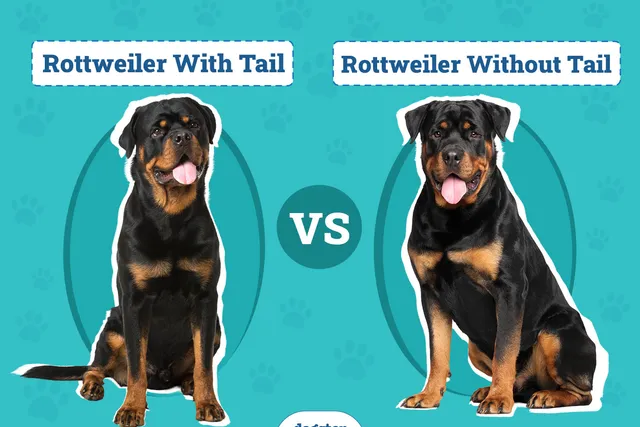
Tail docking is a procedure that involves amputating part of a dog’s tail. It’s controversial because many believe that it inflicts unnecessary pain on dogs. Many countries actually ban tail docking, and animal rights activists are opposed to it.
Reasons for Tail Docking
There are several reasons why dogs will get their tails docked. One of the main reasons for it is for cosmetic purposes. Some breed standards have docked tails as one of the requirements under physical features. For example, the American Kennel Club’s breed standards for Doberman Pinschers include tails that are docked around the length of the second joint.
Tail docking may also be used to prevent injuries. In theory, guard dogs are less likely to get hurt if their tails are shorter and more difficult to grip. Similarly, herding dogs may also get their tails docked to prevent them from getting trampled on or snagged while they’re herding livestock.

When Do Dogs Get Their Tail Docked?
It’s most common for dogs to get their tail docked when they’re young puppies. It’s usually done within the first 5 days of a puppy’s life. The reason tail docking is done so early is because of a belief that the puppy will be too young to feel or remember the pain from the procedure. However, there’s insufficient evidence available to fully support this belief.
If a puppy doesn’t get their tail docked within the first several days after being born, the procedure must be held off until the puppy is old enough to receive anesthesia safely. This is usually after the puppy reaches 12 weeks old.
Is Tail Docking Covered by Insurance?
Because tail docking is considered a cosmetic procedure, it isn’t covered by insurance. Since it isn’t medically necessary, pet insurance doesn’t apply to it. The cost of tail docking often depends on the age of the dog. Tail docking for younger puppies usually cost less than procedures performed on older puppies and adult dogs.
Pros
- May prevent injuries in working dogs
Cons
- Painful
- No significant benefits to quality of life
- Can be traumatic for dogs
- Makes socialization challenging
Overview of Tail Amputation:
Sometimes, removing a part or the whole tail is deemed medically necessary. When tail removal is used as a medical procedure to save a dog’s life or significantly improve their quality of life, it is considered to be a tail amputation.
Reasons for Tail Amputation
Tail amputation is considered when a dog’s tail is threatening the dog’s life or actively causing significant harm or pain. For example, veterinarians may amputate a part of a dog’s tail to stop malignant tumors from spreading to the rest of the body. If the tail experiences severe physical trauma, it may need to be amputated. Another reason why a dog’s tail requires amputation is to prevent the spread of a dangerous infection, such as gangrene.
When Do Dogs Get a Tail Amputation?
Tail amputation is most common in older dogs because they become more susceptible to certain health issues as they age. For example, certain purebred dogs, like Golden Retrievers and German Shepherds, are at higher risk of getting cancer the older they get.
If you believe there is a medical reason why your dog’s tail is causing severe pain or distress to your dog, you can consult your veterinarian to determine if tail amputation would be a significantly beneficial surgery for your dog. Your veterinarian can help you weigh your options and inform you of any less invasive procedures that could help your dog.

Is Tail Amputation Covered by Insurance?
Because tail amputation is considered to be a medical procedure, it can be covered by pet insurance. Just keep in mind that pet insurance doesn’t cover procedures and treatments for pre-existing conditions. For example, if your dog has a tumor that requires tail amputation, your pet insurance won’t cover the surgery if your dog is enrolled in an insurance plan after the tumor was discovered and in their medical records.
Pros
- May stop infections from spreading
- Effective for removing tumors
- Can be life-saving
Cons
- Can become infected
Is Tail Docking Legal in the US?
Tail docking is illegal in certain countries, including Australia, Germany, and the UK. However, it remains legal and unrestricted in the US. Some states, including New York and Vermont, have drafted bills to ban tail docking, but there currently aren’t any states that have made it an illegal practice.
Most veterinarians are opposed to tail docking and will only perform medically necessary tail amputations. The American Veterinary Medical Association (AVMA) is against cosmetic tail docking because there isn’t sufficient justification for it.
Recovery Time for Tail Docking and Tail Amputation
The recovery time for tail docking and amputation will depend on the dog. In general, the tail will heal within a week. Dogs are recommended to wear an e-collar during their recovery period to prevent them from licking the wound as it heals. They are also usually given medication for pain management.
In rare cases, the tail can become infected, which will complicate the healing process. Infected tails can look red and sore, and might be covered in pus. Because infections can quickly become serious, dogs should be taken to the veterinarian right away if their wound has become infected.
Most dogs face a good prognosis after a tail amputation surgery. However, some dogs may continue to experience tail sensitivity and chronic pain. They may also have a general heightened sensitivity to pain even after their tail has healed from the surgery.
Conclusion
While both procedures look the same, they have completely different intentions. Tail docking is a cosmetic procedure that isn’t supported by most veterinarians and animal welfare organizations. In contrast, tail amputation is a surgery that veterinarians will perform when it’s absolutely medically necessary for their canine patients. Knowing the difference between the two is important because it can protect your dog from unnecessary pain or give them access to lifesaving care.
Featured Image Credit: BONDART PHOTOGRAPHY, Shutterstock
Expert dog care, straight to your inbox
News, insights, expert advice, and everything dog.

No spam — unsubscribe anytime.
By signing up, you agree to our Terms & Conditions and Privacy & Cookies Policy.
How useful was this post?
Click a star to rate. You can leave written feedback afterwards. (We read all feedback.)
Jessica is a freelance writer who spends bigger part of her day researching and writing while her furry companion Cavapoo, Nora, snoozes beside her. She loves dogs, pets and animals because there’s so much to learn from them, and they do so much for us. As a dog mom, she understands the strong connection that pet parents have with their pets. So, she loves sharing helpful information that pet owners can use to better understand their beloved pets. When she isn't writing, you may find her walking dogs, tending to her plants, or drinking her nth cup of coffee.