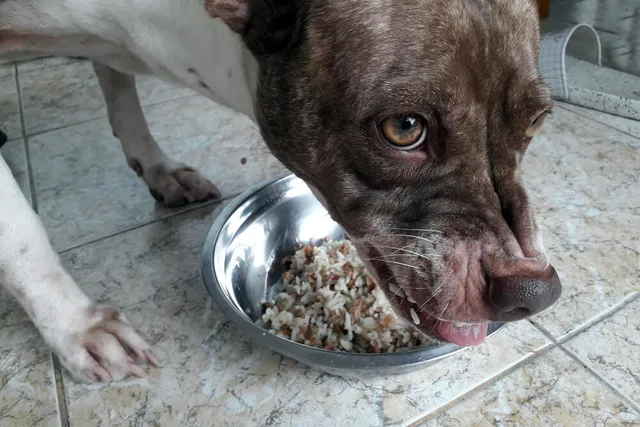
Do You Have a Food-Obsessed Dog? 10 Vet Approved Tips On How To Work Through It



While it's true that every dog needs food, some love it more than others—so much so that dogs can develop a food obsession.
A food-obsessed dog is infatuated with food and eating, and may even become possessive over their food and bowl. They might spend more time searching for food, and guarding it once they have it. It may seem like your dog is always hungry and that most of their behavior revolves around food. If this is the case, you might be dealing with a food-obsessed dog.
So, do you keep thinking "my dog is obsessed with food!" and want to know what can you do to help your dog overcome their food obsession? Although the first thing you should do is consult with a veterinarian, this article has other helpful tips for you.

The 10 Tips on What to Do if You Have a Food-Obsessed Dog
There doesn’t seem to be a single known cause behind why some dogs are obsessed with food. Therefore, the potential reasons range from psychological issues to certain medications, diseases, or metabolic disorders. Determining and correcting the root cause of your dog’s food obsession is one of the best ways to help them overcome it.
Here’s what you can do if you have a food-obsessed dog.
1. Contact a Veterinarian
Dealing with a food-obsessed dog can be challenging without the help of a veterinarian. That is why our first recommendation is to contact a veterinarian if you notice changes in your dogs’ eating habits and behavior towards food.
It's normal for dogs to show an interest in food, but not if it starts having a significant effect on their behavior and psychological state. Certain dogs may experience an excessive appetite and intense obsession with food because of an underlying health issue. Some of these health issues can be serious, which is why you should report any significant changes in your dog’s behavior and eating habits to a veterinarian.
2. Check for Underlying Health Issues
With the help of a veterinarian, you can consider different underlying health issues that might be responsible for your dog's food obsession. Several health issues can change how your dog metabolizes their food, feel satiated, absorb nutrients, or simply cause an increased appetite.
These health issues include:
Your dog's veterinarian will likely run the necessary tests to determine if an underlying health issue is to blame.
Furthermore, certain medications can make your dog hungrier than usual. This is because increased hunger might be a side effect of the medication, such as prednisone or mirtazapine. It's important to discuss these medication side effects with a veterinarian if you feel they are negatively affecting your dog.
3. Consider Any Changes in Their Lifestyle
Changes to your dog's lifestyle, such as intense exercise, may affect their appetite. If your dog is being exercised for longer and more intensely than usual, it's normal for them to be hungrier. This is because they are burning more calories than they are consuming if they are still fed their regular food portions from when they aren’t exercising.
This can make it seem like your dog is starting to become obsessed with food, but their diet needs to be adjusted to support their active lifestyle instead.

4. Determine if They Are Experiencing Psychological Issues
Dogs can feel stressed and anxious just like we can, which could affect their appetite and eating habits. If your dog is food guarding or eating more than usual, they could be dealing with psychological issues that need to be addressed by a veterinarian. Some dogs could also be showing an obsession with food because of canine-compulsive disorder (CCD).
The introduction of a new pet or family member into the household could also trigger a love of food into obsession.
5. Check the Food
Have you changed food types or brands? Or has the food recipe changed? Cheaper foods tend to have lower-quality ingredients and less metabolizable energy, meaning that your dog will need to eat more of them. Alternatively, if you have changed to a food that they really love, they may just be being greedy over their new favorite flavor!

6. Are You Accidentally Teaching Them to Be Obsessed?
We tend to use treats and food as a reward for good behavior as part of training. If your dog starts getting food when they are pestering you or acting like they are starving, this will reinforce their begging behavior. It is always important to be able to tell the difference between a hungry dog and one that just wants to eat, and using body condition scoring is one way to decide if your dog genuinely needs a bit more food or if they just think they do!
7. Find a Suitable Treatment
Once you have discovered the root cause of your dog's food obsession, you can begin investigating possible treatments. This will be done alongside a veterinarian and possibly with medications, environment, and lifestyle changes, too.
Understanding what is causing your dog to be obsessed with food is the first step to finding a permanent solution. If you only use temporary correction methods or unnecessary punishments to deter their obsessive behavior, it won’t help correct the underlying problem causing it. You may end up worsening your dog’s food obsession instead, especially if it has a psychological origin.

8. Establish a Proper Feeding Routine
It's important to establish a proper feeding routine with your canine from a young age. This gives them a sense of predictability about meals and allows them to feel confident knowing that they will be fed at a certain time each day. It could also help prevent your dog from begging for food throughout the day.
Some dogs can become fixated on their mealtimes, however, and seem to know how to read a clock! We suggest feeding your dog within a two-hour window twice a day to avoid them becoming obsessed with a specific mealtime, which can lead to stress and frustration if you are running late.
For example, aim to feed them between 7 a.m. and 9 a.m. and between 6 p.m. and 8 p.m. in the evening. This way, they know they will get two meals per day but will not start losing their minds if they haven’t been fed by 6:05 p.m!
9. Set Boundaries During Mealtime
Set boundaries about the times your dog will get fed, as giving in to any begging allows them to associate this unwanted behavior with food. You ideally want your dog to understand that they will be fed at a specific time regardless of whether they beg or not.
Also, you should respect your dog's boundaries towards food too. Avoid unfairly punishing your dog or taking their food away and ignoring their body language if they are guarding their food. It is worth working with a professional dog trainer if your dog is food (resource) guarding.
A food-obsessed dog might show aggressive behavior such as growling, lunging, and barking at people or other dogs that come close while they are eating, and this sort of behavior needs to be addressed before it becomes dangerous.

10. Keep Their Mind Occupied
If all your dog seems to focus on is when their next meal is, then offering them distractions could be beneficial. It will be difficult for your dog to focus on food if they have physical and mental stimulation in the form of exercise, toys, and your attention. Preventing your dog from becoming bored and keeping them engaged with fun activities will keep their mind off food.
Final Thoughts
If you think your dog is obsessed with food it can be a bit stressful. The best way to help your dog work through the food obsession is with guidance from a veterinarian. They would first need to determine the root cause of your dog’s food obsession before working through it. The methods you use to help your food-obsessed dog will depend on why they are obsessed with food in the first place. Avoid reinforcing food obsession by giving in to begging behavior, and use only tiny tidbits during training sessions. Talk to your vet about your dog’s ideal weight and food so you can be sure that they are getting all the nutrition they need and you don’t feel guilty when those begging eyes are pointed your way.
Sources
Featured Photo Credit: Przemek Iciak, Shutterstock
Expert dog care, straight to your inbox
News, insights, expert advice, and everything dog.

No spam — unsubscribe anytime.
By signing up, you agree to our Terms & Conditions and Privacy & Cookies Policy.
How useful was this post?
Click a star to rate. You can leave written feedback afterwards. (We read all feedback.)
Sarah lives in South Africa with her partner and pets. She is currently interested in veterinary science and ichthyology, which she wants to study alongside her main passion: pet content writing. Sarah has over 60 fish including: goldfish, tropicals, shrimp, and snails. She also keeps hamsters and a tarantula. Sarah wishes to provide quality content to readers and allow others to learn from her experience and knowledge. Sarah has much experience in all aspects of pet care. Providing the world with the knowledge on ethical pet ownership is her lifelong dream.