What Are the Best Materials to Use for a Dog Bowl? Top 5 Options

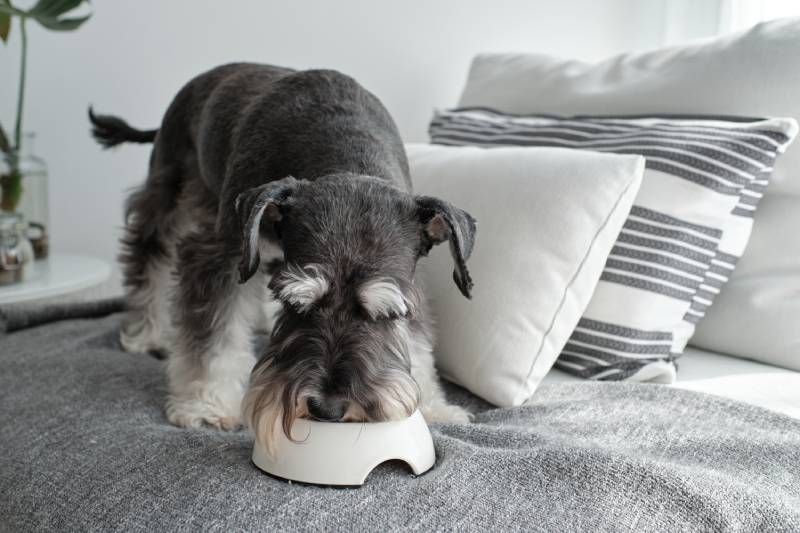
If you have a new pet, one of the first things you are likely going to want to buy is a bowl for them to use to eat dinner. However, as any new parent would be, you probably wonder about the different materials in dog bowls, and which one is the best for your pet.
There are also some safety concerns you should consider before you make a decision. Keep reading while we look at the different materials you might see and discuss each one so you can make an informed purchase.

The 5 Best Dog Bowl Materials
1. Metal

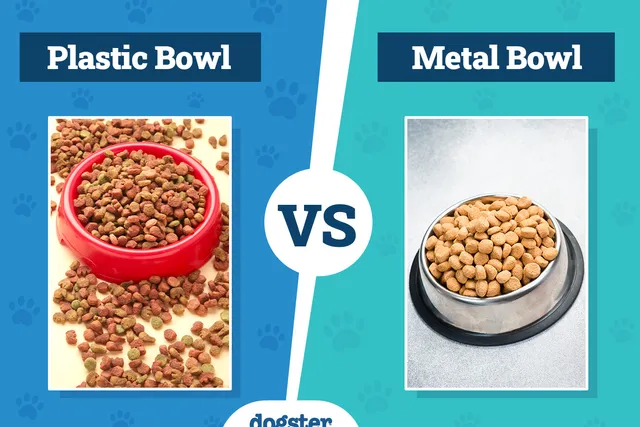
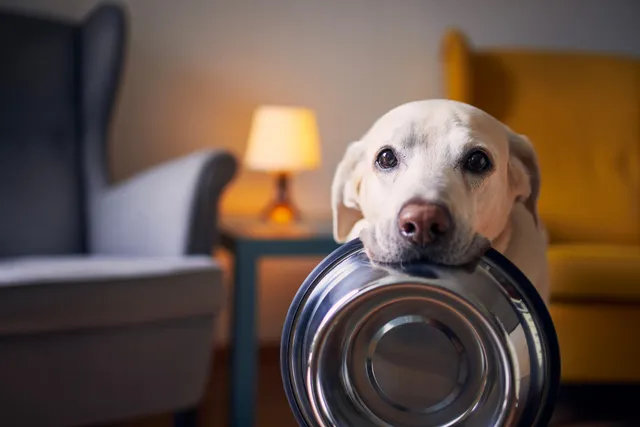
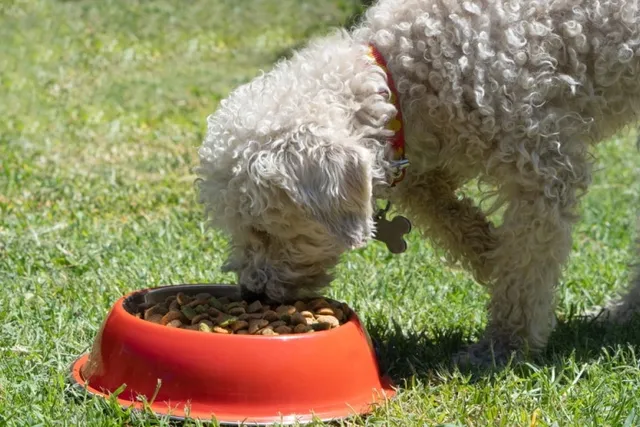
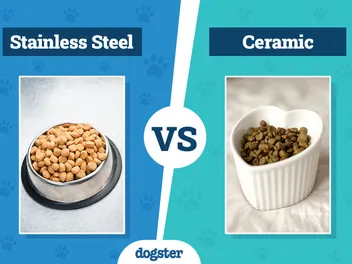
There are a few types of metal bowls lumped into the metal category, but stainless steel and aluminum are the most popular. Both are excellent choices for a dog bowl. They are durable and won’t rust or leach chemicals into the food. Metal bowls are perfect for outside environments because they are not affected by the sunlight like plastics or the paint on ceramics. This type of bowl is almost as easy to find as plastic and usually not much more expensive. The downside to metal is that some metal bowls use a chrome-plated metal that is not rust-resistant. This type will chip and rust, which could leach iron oxide into the food. If you don’t like the look of stainless steel, there is not much variation because the paint will usually chip off easily.
Pros
- Durable
- Easy to clean
- Resistant to mold and bacteria
Cons
- Subpar metals
- Not much variation
2. Melamine

Melamine closely resembles plastic, but it is extremely hard and durable. It’s becoming popular as a material used to make plates and other kitchenware, including utensils and countertops. Most experts believe it’s safe as long as you don’t put it in a dishwasher or expose it to high temperatures that could cause some of the melamine to leach into food. The hard surface is extremely durable, mildew resistant, and won’t allow bacteria to grow, so it makes a great choice for a dog food bowl as long as you wash it by hand. It’s also available in many shapes and colors. It is a little more expensive than plastic and is still harmful to the environment, but a single bowl can last the lifetime of your pet.
Pros
- Durable
- Many styles
- Resistant to mold and bacteria
Cons
- Bad for the environment
- Expensive
Related read: 10 Best Collapsible Dog Water Bowls
3. Ceramic

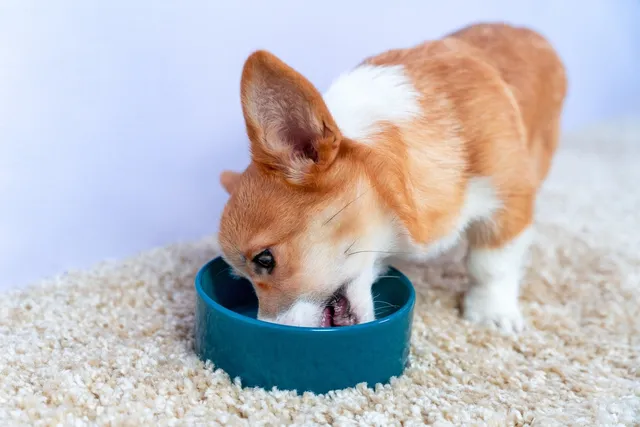
Ceramic is another material used for dog bowls. It’s a baked clay that becomes extremely hard in the furnace. You can find it easily in your home by looking at your toilet. Stoneware, earthenware, and porcelain are all types of ceramics. The hard surface is resistant to scratches, so it won’t allow bacteria to grow, and it’s easy to clean and dishwasher safe. Ceramic doesn’t leach any chemicals into the food and is available in various colors, often with intricate designs. Because ceramics are often quite heavy, weight makes them perfect for dogs that like to push their food bowl around while they eat. The downside of ceramic is that it is quite brittle, and a single drop can easily smash the bowl into small pieces. Repeated washings can easily chip the paint off, degrading the appearance.
Pros
- Heavy
- Durable
- Attractive
Cons
- Brittle
- Chips easily
4. Glass

Some dog bowls can be glass, and these are easy to clean, dishwasher safe, and won’t leach chemicals into the food. The glass does not scratch easily, so it won’t grow bacteria, and if you handle it carefully, it is durable and can last the lifetime of your pet. You can also find glass bowls in multiple colors and shapes. The downside to the glass bowl is that, like ceramic, it’s extremely brittle. One accidental drop could smash the bowl and create tiny shards of glass that are hard to clean up.
Pros
- Durable
- Easy to clean
- Resistant to mold and bacteria
Cons
- Brittle
5. Plastic

Plastic is one of the most common materials used to make a dog bowl. It’s inexpensive and extremely durable, and you can often get plastic dog bowls in any shape or color to perfectly accent your kitchen. However, it also has the most downsides. It’s not biodegradable, and it usually cracks in time and becomes unusable. It can also leach harmful BPA chemicals into the food or water, especially if you clean the bowl by placing it in the dishwasher. Plastic is also easy to scratch, and even small scratches can allow large colonies of bacteria to grow, which can get into the food and cause health problems for your pet. Plastic also tends to change the flavor of the water. There are different types of plastics. Most modern bowls will be BPA-free, and some will be hard enough to resist scratching, which can be fine for temporary use.
Pros
- Inexpensive
- Many styles
- Easy to find
Cons
- Bad for the environment
- Allow bacteria growth
- Leach chemicals into food
- Change water taste
Related Read:
Final Thoughts
When choosing a new dog bowl, we highly recommend selecting stainless steel. Stainless steel is easy to clean and resistant to scratching. It’s durable enough to last the lifetime of your pet and is suitable for indoor and outdoor use. You can find metal bowls easily and at a reasonable price. The other styles are also great and will only require a little more care to avoid breaking them. The only type we would recommend avoiding is plastic bowls. Plastic can leach chemicals and can also allow bacteria to grow, which could cause your pet to get sick.
We hope you have enjoyed this look into the various materials used to create dog bowls and found a type you like the best. If we have helped you find your next pet bowl, please share these five materials commonly used for dog bowls on Facebook and Twitter.
Related Dog Reads:
Featured Image Credit: DegrooteStock, Shutterstock
Expert dog care, straight to your inbox
News, insights, expert advice, and everything dog.

No spam — unsubscribe anytime.
By signing up, you agree to our Terms & Conditions and Privacy & Cookies Policy.
How useful was this post?
Click a star to rate. You can leave written feedback afterwards. (We read all feedback.)
An avid outdoorsman, Dean spends much of his time adventuring through the diverse terrain of the southwest United States with his closest companion, his dog, Gohan. He gains experience on a full-time journey of exploration. For Dean, few passions lie closer to his heart than learning. An apt researcher and reader, he loves to investigate interesting topics such as history, economics, relationships, pets, politics, and more.