How Often Should You Wash Dog Food & Water Bowls: Vet Approved Advice


In this article
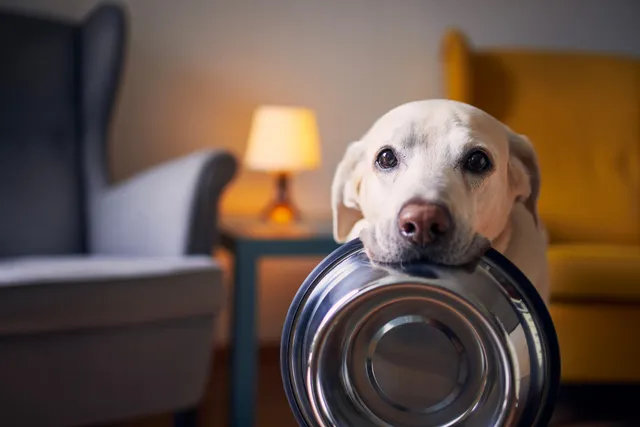
For many of us, our pets are our world, and we try our best to love and care for them the same way we would our family members. That means cleaning up after them, feeding them high-quality food, staying on top of their feeding schedules, and playing with them daily. However, love and care are also displayed in good hygiene, and just as we clean the bowls that our family members eat out of, we need to do the same for our dogs.
The reality is that many of us slip up in this area and don’t prioritize cleaning our dog’s food and water bowls regularly. However, it’s never too late to start. According to the FDA1, you should clean your dog’s food bowls after every meal and their water bowl at least once every 2 days. If this has taken you by surprise, keep reading because we’re going to break it down for you.

Why Do Dog Bowls Need to Be Cleaned Regularly?
If you’re at all conscious about germs around your house, you’re probably dedicated to keeping your bathroom and kitchen clean. However, whilst scrubbing your kitchen counters, you might be overlooking one of the “germiest” items in your home—your dog’s food bowl. Of the many places analyzed in a study conducted by the NSF2, pet bowls ranked in fourth place for having the highest concentration of germs in a home.
If you’ve ever felt a slimy coating on your dog’s food or water bowl, you’ve come in contact with the biofilm. You’ve probably come into contact with this substance many times without realizing what it is because different types of biofilm form on surfaces in many different environments, including your mouth.
When bacteria stick to a surface in a moist environment, it attaches by excreting a slimy substance, together this forms a biofilm. It can form on surfaces above or below ground as long as there is a combination of moisture and nutrients as well. Biofilms harbor bacteria and make it harder to get rid of them.

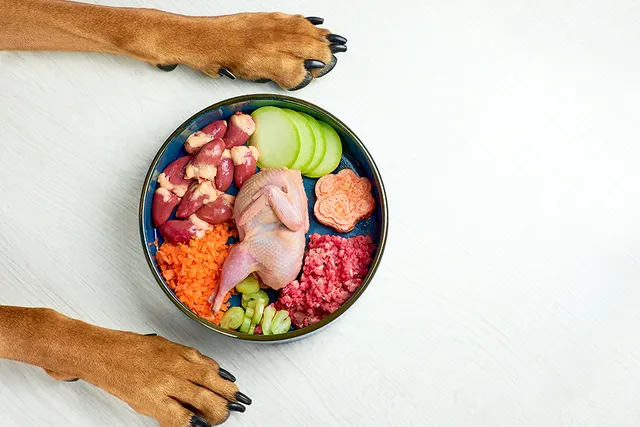
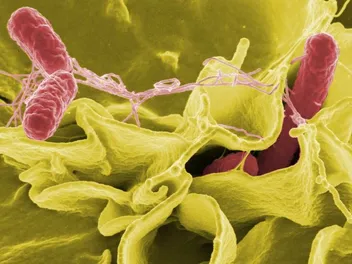
Dirty dog food bowls are a breeding ground for E. coli, Salmonella, Listeria, and MRSA. These can all make your dog very sick and can be found in your dog’s bowl regardless of the type of dog food you feed them. They are also transmissible to humans, zoonotic, and so good hygiene is important for the whole family.
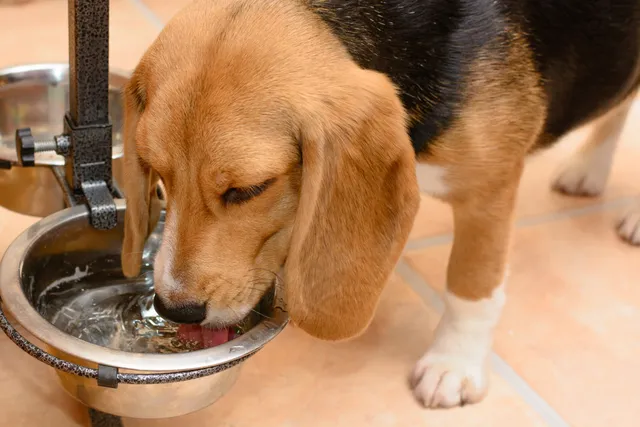
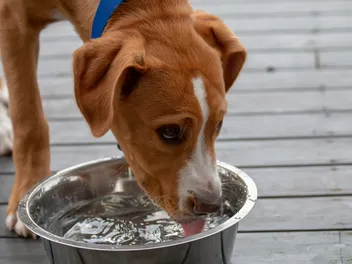
Unwashed water bowls are also dangerous because germs from your dog’s mouth are transferred into their bowls when they drink. These bowls have everything bacteria need to multiply—a surface, moisture, and nutrients.
Your dog will be fine if they encounter a few bacteria because their bodies can tolerate them. However, dirty bowls, especially those with food left inside, contain more bacteria than your dog, and you, should be exposed to.
How To Wash Dog Food and Water Bowls

If you haven’t washed your dog’s food and water bowls in several days, here’s your reminder to do so now. Otherwise, remember to wash them after their next meal.
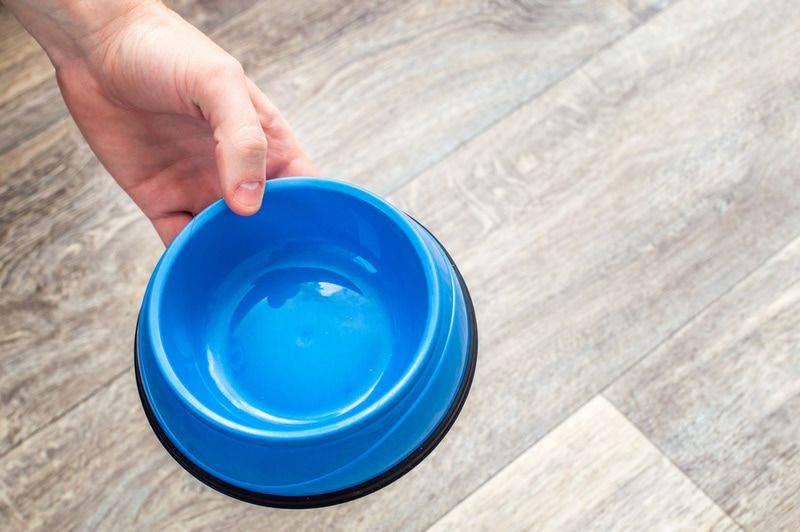
According to the FDA, you can wash your dog’s bowls in a sanitizing dishwasher or by hand. However, you’ll only be able to use your dishwasher if your dog’s food bowl is dishwasher safe. Washing by hand will require more effort from you, but it’ll also be faster. If you’re not sure whether you’re cleaning your dog’s bowls correctly, you can follow the guidelines below:
Steps To Washing Dog Food & Water Bowls:

Ways To Keep You and Your Dog Safe

Keeping you and your dog safe from foodborne illness includes a few more steps than simply washing their bowls.
Keep these points in mind for their next meal:
Conclusion
The FDA encourages dog owners to wash their food bowls after every meal, which could be up to three times a day. Their water bowls should be washed daily or at least every second day. Although this may sound like a lot of extra work, it will keep you and your dog safe from bacteria that grow in dirty bowls.
Wash your dog’s food items in hot, soapy water to kill the germs. You can also let them sit in a diluted bleach solution for a few minutes before rinsing them.
Sources
https://www.nsf.org/consumer-resources/articles/germiest-items-home
https://www.vetstreet.com/our-pet-experts/how-often-should-i-wash-my-pets-food-bowls
https://www.fda.gov/animal-veterinary/animal-health-literacy/tips-safe-handling-pet-food-and-treats
https://www.vetstreet.com/learn/warning-why-you-may-want-to-wash-your-hands-after-feeding-fido
Featured Image Credit: Anastasiya Tsiasemnikava, Shutterstock
Expert dog care, straight to your inbox
News, insights, expert advice, and everything dog.

No spam — unsubscribe anytime.
By signing up, you agree to our Terms & Conditions and Privacy & Cookies Policy.
How useful was this post?
Click a star to rate. You can leave written feedback afterwards. (We read all feedback.)
Keri-Beth is a freelance writer from South African who specializes in animals. She has grown up with a range of pets, volunteered at many shelters, and is highly passionate about pet care. Currently, Keri-Beth is raising two dogs - Benji, the Golden Cocker Spaniel, and Gracie, the Boerboel. With so much information out there, Keri-Beth has made it her questo to make pet care as easy and straightforward as possible for any pet parent in the world.
In her spare time, Keri-Beth enjoys photography, camping, and spending time with her husband, who is a professional drummer.