For dog owners, a partner who doesn’t like dogs isn’t a minor quirk to overlook. Dogs aren’t a hobby you can scale back or put on pause. They’re family. They have routines, needs, and a place in the home that doesn’t shrink just because someone new is in the picture.
That said, “doesn’t like dogs” covers a lot of ground. Some people had a frightening experience as a child and never recovered from it. Some have allergies that make close contact genuinely uncomfortable. Some simply never grew up with pets and don’t know how to read a dog’s behaviour. None of those situations are the same, and they don’t all have the same outcome.
Before deciding whether a relationship is workable, it helps to understand what you’re actually dealing with.
Figure Out the Real Situation First
The first and most important question is where your partner actually stands. There’s a significant difference between someone who is nervous around dogs but open to adjusting and someone who fundamentally does not want a dog in their life. The first situation has room to work with. The second is a values mismatch, and no amount of practical compromise will bridge it.
Have an honest conversation about their history with dogs and what they’re actually comfortable with. Listen to whether they’re expressing a preference you can accommodate or a hard limit that doesn’t move. Ask where they draw the line. Are they okay with a dog in the house but not on the furniture? Fine with the dog being present but not on holidays? Willing to tolerate walks together occasionally? All of those answers tell you something different.
The other half of this conversation is just as important: you need to be clear about your own expectations. Your dog has a routine, a place in your home, and a level of inclusion in your daily life. Some of that is non-negotiable. Knowing exactly where your own limits are before you negotiate is the only way to tell whether there’s actually enough common ground.
Tips for Making It Work
If you’ve both decided the relationship is worth trying to accommodate, there are concrete things you can do to make your partner more comfortable without shortchanging your dog.
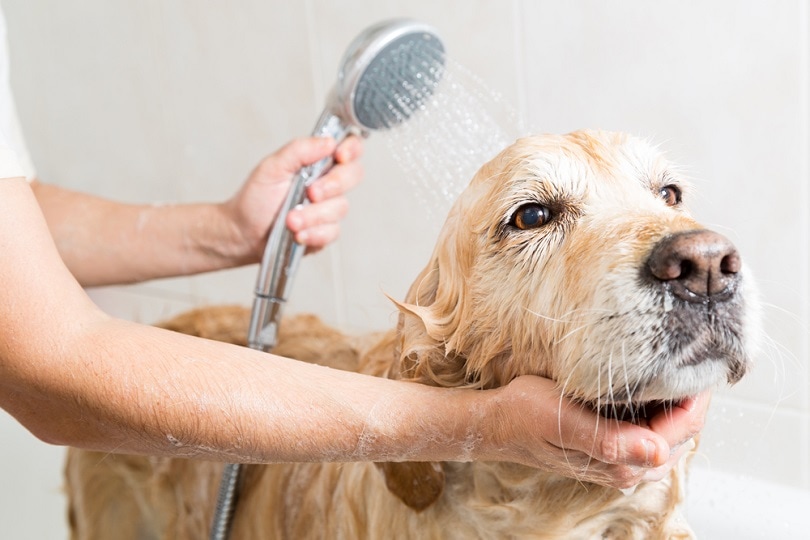
Keeping your dog well-groomed goes a long way. For many people who aren’t dog fans, cleanliness is a central concern, and often a legitimate one. Hair, dander, and the general mess of a dog are often what drives the discomfort. A consistent grooming routine appropriate for your dog’s coat type, including regular brushing, occasional baths, and attention to ears, eyes, nails, and teeth, makes a real difference to how your home feels to someone who isn’t used to living with a dog.
Training and clear boundaries are equally important. A dog that jumps up, gets on furniture uninvited, or doesn’t respond to basic commands will be significantly harder for a non-dog person to deal with. This doesn’t mean locking your dog away when your partner visits, but it does mean teaching the dog to respect new people’s space on their terms. Your partner will notice the effort even before the training is fully established, which counts for something.
Stay organised about your dog’s care so it doesn’t constantly spill into the relationship. Keep vet records current so daycares and boarding services are easy to access when you need flexibility. Have a shortlist of reliable sitters you can call on short notice. Emergency dog situations will occasionally interrupt plans, and your partner needs to be understanding about that. But if every date requires extensive logistical negotiation, the relationship becomes exhausting for both of you.
Set realistic expectations about what your partner can reasonably be asked to do. Picking up a bag of dog food on the way over is a small ask. Agreeing to walk your dog while you’re at work every day is not, if they genuinely don’t like dogs. Understanding the difference between reasonable accommodation and expecting someone to co-parent an animal they didn’t sign up for will prevent a lot of resentment on both sides.
Don’t push the relationship between your partner and your dog. You might hope they’ll eventually fall in love with your dog, and it does happen. But engineering moments to try to force that connection rarely work and usually make everyone uncomfortable, including the dog. Give it space. Let the dog approach on its own terms. If it happens, it happens.
The one thing that is not negotiable is basic respect. Your partner doesn’t have to love your dog, share in their care, or treat them like their own. But they do have to treat your dog decently and accept that the dog’s presence, routine, and well-being are part of your life. Any verbal or physical mistreatment of your dog, or any pressure on you to reduce your dog’s care or happiness for their comfort, is not a compatibility issue. It’s a character issue, and it matters.

When to Accept It Won’t Work
Not every relationship can be saved by grooming schedules and training classes. If your partner’s problem with dogs is fundamental rather than circumstantial, that’s important to know sooner rather than later.
Being clear-eyed about this early isn’t harsh. It’s fair to everyone involved, including the dog, who didn’t get a vote in who you date. A relationship that requires one person to constantly suppress their discomfort and another to constantly feel guilty about their dog doesn’t tend to improve with time.
You and your dog are a package deal. The right person will understand that.
Featured Image Credit: fizkes, Shutterstock
Did You Know?
- Our brand-new posts are rounded up and included in our weekly emails. Don’t miss out on the latest – sign up for our newsletter below!
 Figure Out the Real Situation First