How to Cook Eggs for Dogs: 3 Vet-Approved Recipes & Facts


In this article
Eggs are a nutritious (and tasty) part of most people's breakfasts, so you might wonder if they can be a part of your dog’s diet too. The answer is yes, they can! However, you need to purchase pasteurized in-shell eggs or know how to cook eggs properly for your pup so they don't get sick from them.
But how should you cook eggs for dogs? Here are a few recipes, along with everything else that you need to know about cooking eggs for dogs, all in one handy guide!

3 Egg Recipes for Dogs
Essentially, when you are cooking eggs for dogs, the method doesn’t matter so much as whether they are cooked thoroughly and plain (so no oils, seasonings, ketchup, etc.). Here are three ways that you can make eggs for your dog.
1. Scrambled Eggs

Scrambling is the best and easiest method of cooking eggs because you can feed them straight to your pet or mix them in with their regular food. Here’s how to cook eggs in this way.
Instructions:
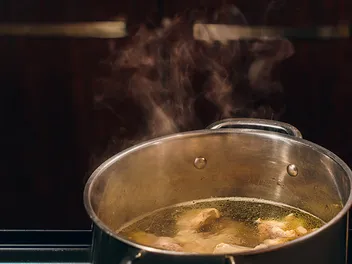
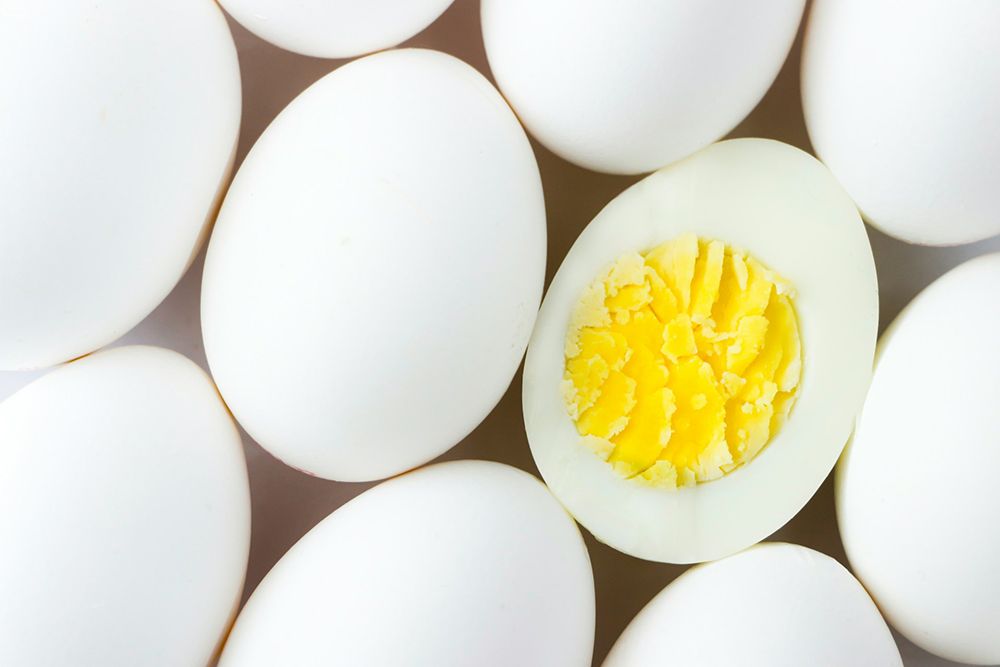
2. Boiled Eggs

Boiled eggs are excellent because you can either break them into pieces to feed to your pet or mash them into your dog’s food. They do require a bit more time to make, though.
Instructions:
3. Fried Egg

You can make a fried egg for your pet, though you will have to do it without oil or butter. Here’s how to fry an egg without the bad-for-your-pup stuff.
Instructions:
Can Dogs Eat Raw Eggs?
Before you begin, you should be aware that unless you purchase pasteurized in-shell eggs, it is highly advised not to feed your dog raw eggs. They can be dangerous for your pet for a few reasons.
- A raw egg could have Salmonella, which would then infect your pup.
- Raw eggs contain avidin, which is an enzyme that can lead to biotin deficiencies or malabsorption of vitamin B, resulting in issues with your dog’s skin and coat.
- Expired eggs might contain bacteria that will make your dog sick.
So, the most important thing to know about feeding eggs to your pup is that you should purchase pasteurized in-shell eggs or cook them for safety!
How Much Egg Can My Dog Eat?
While eggs are nutritious and will benefit your dog's diet, you don't want to overfeed them to your pet. A large egg only has 70 calories, which isn’t much for most people, but canines require fewer calories, and too many eggs given to a dog (especially a small or medium breed) could negatively bulk up their diet. A good rule of thumb is to treat eggs like treats, so they should only be 10% of their normal caloric intake. So, if you do feed eggs to your dog, give them less regular food to balance things out.

Eggs & Allergies
This won’t be the case for all pups, but some canines can be allergic to eggs. If you have never fed eggs to your dog before, start with a small piece, and check for any allergic reactions before giving them more.
Common signs of food allergies in dogs include digestive disturbances, such as vomit or diarrhea, and itchy skin, paws, or ears. Severe allergic signs due to a specific food, causing an anaphylaxis reaction, include lethargy, swelling, hives, coughing, sneezing, and trouble breathing.

Conclusion
Eggs can be excellent (occasional) additions to your dog’s diet, as they’re quite nutritious. However, you need to guarantee that any eggs that you cook for your pup are either pasteurized in-shell or cooked to avoid Salmonella or other bacterial issues. Three great ways to cook eggs for your dog are to scramble them, boil them, or fry them—just keep in mind that you shouldn’t use any seasonings, butter, or oil! Any way that you decide to cook eggs, though, will be a way that your dog will enjoy!
Sources
Featured Image Credit: Mustafa Bashari, Unsplash
Expert dog care, straight to your inbox
News, insights, expert advice, and everything dog.

No spam — unsubscribe anytime.
By signing up, you agree to our Terms & Conditions and Privacy & Cookies Policy.
How useful was this post?
Click a star to rate. You can leave written feedback afterwards. (We read all feedback.)
Misty Layne lives out in the woods in small-town Alabama with her two Siamese - Serafina & Jasper. She also has an array of stray cats, raccoons, and opossums who like to call her front porch home. When she’s not writing about animals, you’ll find her writing poetry, stories, and film reviews (the animals are, by far, her favorite writing topic, though!). In her free time, Misty enjoys chilling with her cats, playing piano, watching indie and foreign films, photographing abandoned places, and catching up on her never-ending TBR list.