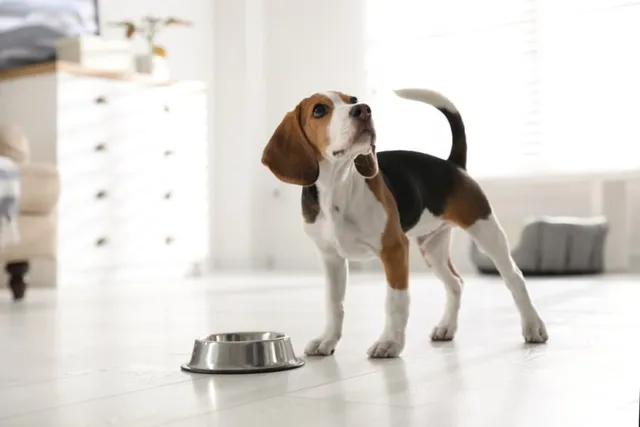
7-Month-Old Puppy: What to Expect (Vet Reviewed)



In this article
If you are raising a dog from a puppy, you probably have noticed that their behavior and appearance have begun to change rapidly now that they are over 6 months old. Experts call this period the juvenile or teenage years, and many owners wonder what to expect next as their dog transitions into an adult. Keep reading as we discuss a 7-month-old puppy’s diet, size, exercise, and behavior to help you understand your pet better.

Size
When your dog reaches 7 months, they will be approaching their full size but can still have a significant way to go, depending on their breed. Large dogs will mature slower than small dogs, which is why it can be hard to determine exactly how much growth your pet has left at this age. Small dogs that will be less than 20 pounds as adults will likely be closer to 75% fully grown or even more at this point, while dogs that will exceed 100 pounds will only be slightly more than 50%.1 Medium and large dogs will be 60% to 70% grown.

Color
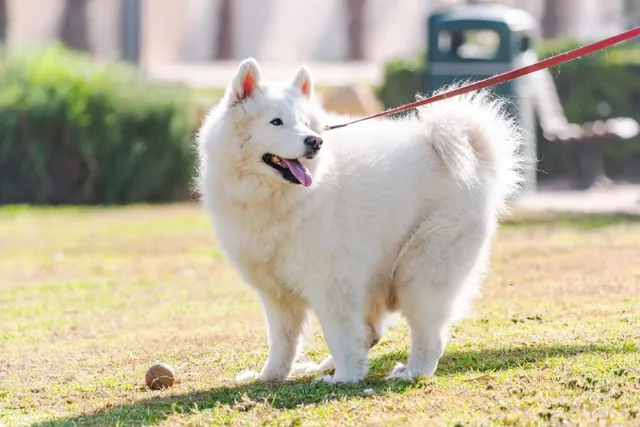
You will likely notice your pet’s coat changing from light and soft puppy fur to darker, coarser adult fur. In some dog breeds, like the Yorkshire Terrier, their standard blue color will start to appear. Other coat patterns, such as roan, merle, brindle, harlequin, and ticked, will also start to become darker and more apparent around 7 months, but this can vary depending on breed size and maturity rate.
Behavior
Experts consider the 7-month mark to be the start of the teenage years for many dogs, and you might notice that they tend to test boundaries more frequently than they used to and often get into mischievous behavior. They may also be more independent as they learn to explore the world on their terms.
Diet
Your dog will likely still be eating puppy food at 7 months until they are at least 1 year old, depending on the breed. Still, start paying close attention to portion sizes to reduce the risk that your dog will enter adulthood overweight. Obesity is a significant problem for all dog breeds, with more than 1/2 of the dogs in the United States being overweight.2 Ensure that you are feeding them a high-quality brand that uses real meat like chicken or beef listed as the first ingredient, and limit treats to no more than 10% of your pet’s total daily calories.

Sleep
Your adolescent puppy will still need plenty of sleep, especially if they are large dogs, but you might notice small dogs getting up earlier and requiring less sleep as the weeks pass by. However, their sleep pattern will also become more routine, and they will likely start to sleep throughout the night more often and then take short naps throughout the day when there isn’t much going on.
Exercise 🐕
Exercise helps provide your pet with physical activity and mental stimulation. Energetic breeds like the Border Collie and Australian Shepherd may need more activity that can include long walks and extended play sessions to help them behave better and properly develop physically. However, too much activity can damage developing joints, so talk over your routine with a vet to get advice specific to your pet.
Training 🎾
Training should be an ongoing process, with short scheduled sessions occurring consistently to create a solid routine that your pet anticipates. Plenty of positive reinforcement in the form of treats and praise can help keep the sessions fun and interesting for your pet so they are more likely to look forward to participating each day. Keeping them entertained can also help you have better success training your pet on a new trick.
Health
A vet visit is vital at this stage to ensure that your pet is healthy and developing properly. Make sure they have completed their vaccination schedule. It’s also a good time to start considering spaying or neutering your pet and talking it over with a vet. Small dogs might need to undergo the procedure as early as 5–6 months, while large dogs might be able to wait as long as 18 months or more in some cases.

Frequently Asked Questions
Is My Puppy Still Teething at 7 Months Old?
By 7 months, most puppies will have their full set of adult teeth. However, if your dog is still having discomfort, keep in mind that persistent or retained teeth can have negative consequences on your pet’s dental health and will need to be removed by a veterinary dentist to avoid the development of secondary issues affecting your dog’s permanent teeth or jaws.
How Should I Deal With My Puppy’s Behavioral Issues?
Behavioral issues like destructiveness due to separation anxiety or overexcitement are apparent in many dogs around 7 months of age. You can teach a puppy to remain calm while you are away by slowly increasing the amount of time that you spend out of the house. Avoid reinforcing overexcited behaviors, and never miss an opportunity to reinforce your juvenile pup whenever they remain calm.
How Do I Handle Aggressive Behavior in My Puppy?
If your puppy is behaving aggressively at 7 months, it’s important to get a handle on it as soon as possible. If your routine training methods aren’t working, talk the situation over with a vet, or consult with an animal behaviorist to get qualified advice specific to your pet. Please do not ignore the issue, as aggressive behaviors can quickly become habitual. You will need to understand the causes and triggers of your dog’s aggression and have a solid plan in place to address it.
Can I Bathe My Dog at 7 Months?
It’s usually safe to bathe your puppy after about 8 weeks, so a bath at 7 months won’t be harmful. However, it’s important to use a high-quality shampoo when bathing puppies, as their skin can be more sensitive to detergents and other ingredients. You also shouldn’t bathe most dogs too frequently, as it can strip their skin of important oils.
Summary
There are many changes that you can expect from your pet at around 7 months, including behavioral changes that can include boundary testing, separation anxiety, and independent thinking. Their coat color and texture are likely to start changing, and they will continue to grow for a few more months.
Remember that how dogs age depends on their size, with the largest dogs taking nearly twice as long to become adults as the smallest ones, so different dogs may be in different development stages at 7 months. Maintaining your scheduled training and exercise routines can help keep your pet happy and healthy, and watching portion sizes can help prevent obesity. Don’t forget to schedule an appointment with the vet to ensure that they are developing properly and are up to date with their vaccinations. They can also answer any questions that you have.
Sources
Featured Image Credit: Svetlana Khoruzhaia, Shutterstock
Expert dog care, straight to your inbox
News, insights, expert advice, and everything dog.

No spam — unsubscribe anytime.
By signing up, you agree to our Terms & Conditions and Privacy & Cookies Policy.
How useful was this post?
Click a star to rate. You can leave written feedback afterwards. (We read all feedback.)
Ed Malaker is a seasoned writer who has contributed to a wide range of blogs covering everything from tools to guitars, and pets to fitness. When Ed isn't writing, he is usually making DIY projects around the house or working in the garden.