No One Should Have to Surrender Their Dog to Serve Their Country: How Foster Families Help Veterans Heal

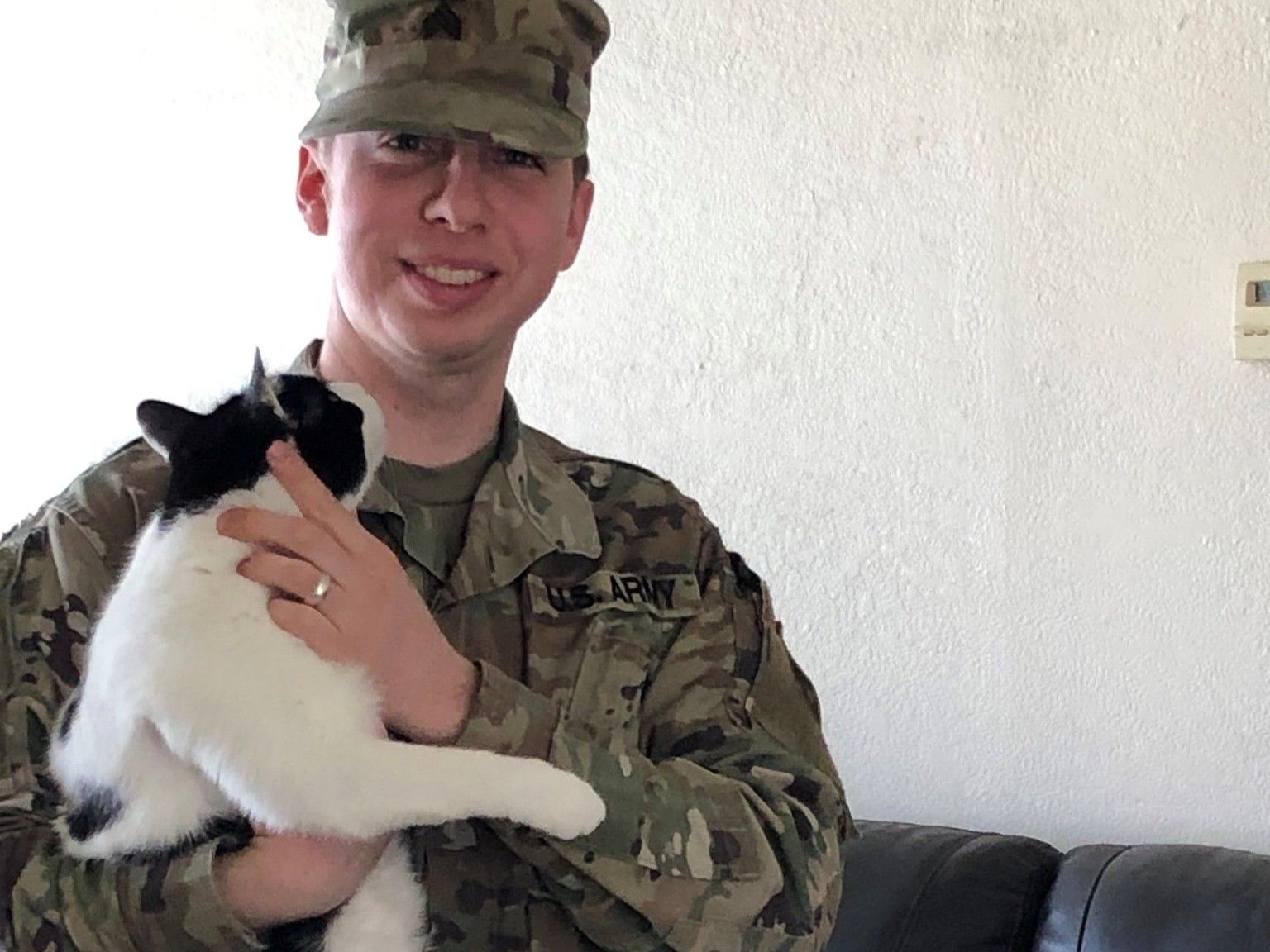
Written on behalf of Operation Foster (Formerly PACT)
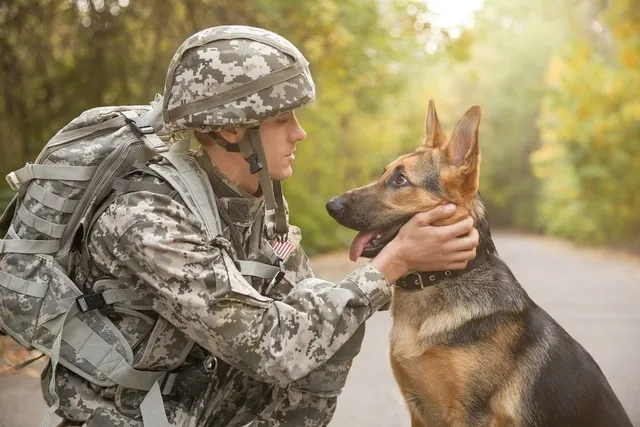
The story that started it all begins outside a Philadelphia animal shelter, with a man crying on the sidewalk. He wasn't hurt or lost; he was a service member about to deploy overseas, and was surrendering his dog to the shelter. No family member could take her. The clock was running out on his orders, and the shelter was the only option he could find in time.
Buzz Miller was volunteering at the shelter that day, and as he watched the scene unfold, he asked himself: Why does it have to be this way? He decided it didn’t.
In 2011, Miller founded PACT — and launched a program called Operation Foster: a free, nationwide network of volunteer foster families who care for the pets of military members during deployment, training, or extended medical care, until owner and animal can be reunited.
To date, we have fostered and reunited over 3,500 pets in all 50 states, and counting.

The Impossible Choice
Military life doesn't stop because you have a dog. Orders arrive and deployments and training assignments can last months. Hospitalizations happen unexpectedly, and when they do, many military families discover there isn't a safety net for their pets.
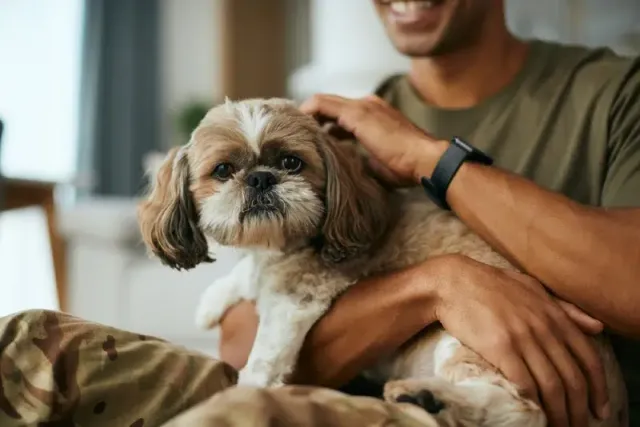
For many veterans and active-duty service members, their dog isn't just a pet. They are the reason to get out of bed when the alarm goes off, to go for a walk, and to come home. They are their connection to normalcy—and for veterans managing PTSD, traumatic brain injuries, or the psychological aftermath of combat, that connection is a lifeline.
Research published in journals including PLOS One confirms that the human-animal bond has measurable therapeutic effects. Veterans paired with dogs show significantly lower PTSD symptom severity, reduced anxiety, better sleep, higher social engagement, and greater ability to navigate everyday life. Veterans with service dogs were not only less symptomatic—they were less likely to meet the diagnostic threshold for PTSD at all.
This is the impossible choice that too many service members face: get the help you need, or keep your dog.
Operation Foster exists to make sure that is never the choice.

How It Works
A service member or veteran facing deployment, training, or medical treatment applies to the program. At the same time, volunteer foster families (ordinary heroes across the country who have room in their homes and hearts) apply to be matched with a pet.
Operation Foster staff conducts remote home checks, reviews applications carefully, and makes matches based on the pet's needs and the owner's situation.
Once a match is confirmed, a legal foster agreement is signed. The pet goes home with the foster family. The owner can receive updates—photos, videos, check-ins—for the entire duration of the placement.
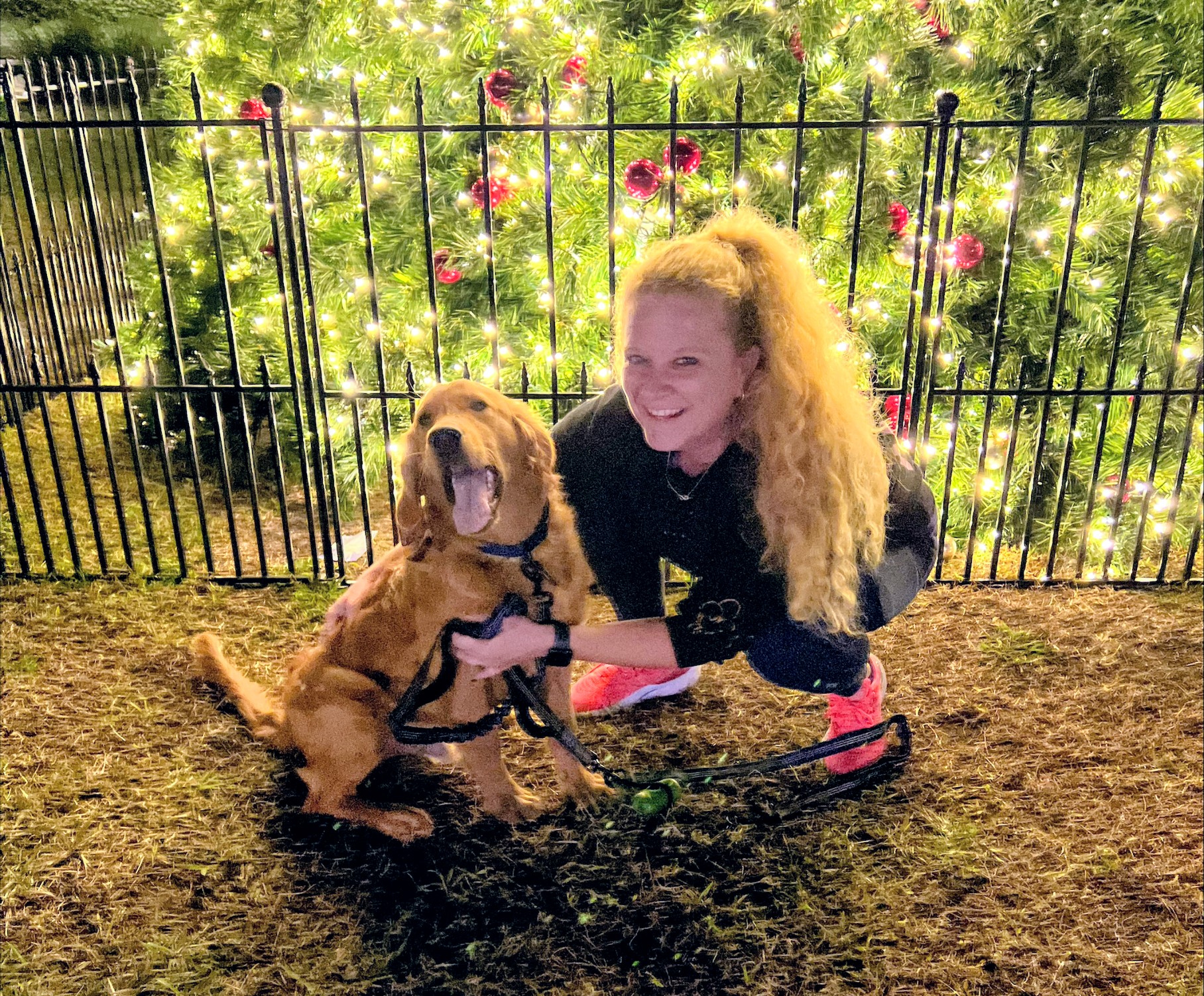
There is a soldier, currently deployed to Japan, who gets photographs every week. His foster family has been sending them since he left—pictures of his dog on walks or sleeping in a patch of afternoon sunlight. During the holidays, they took her to get photos with Santa Claus. Even though he is thousands of miles away from home, doing his job, he gets to see his dog’s face and knows she's safe, loved, and waiting.
That is what Operation Foster actually does, in practice. It doesn't just solve a logistics problem. It sustains a relationship across distance and time, in a way that makes it easier for the person who left to focus on surviving the hard thing they're doing, without the added weight of grief and guilt about the animal they had to leave behind.
Fostering commitments typically range from six weeks to two years, depending on the situation. The foster family covers the day-to-day love and care; the pet owner is responsible for covering routine pet care expenses like food, veterinary visits, and supplies. Operation Foster provides the casework for both parties throughout.
And the goal is always and without exception: reunification.
That last part matters the most. The dog goes home and back to the person who is waiting for them from whatever corner of the world the mission has sent them to.
One dog who waits and eventually, one reunion.
For veterans in treatment, this is particularly significant. One veteran receiving inpatient mental health care had been delaying treatment, actively avoiding the help he needed, because he had no one to care for his dog. He wasn't willing to surrender him to a shelter. He wasn't willing to risk losing him permanently. And so he stayed home, suffering, rather than getting help.
Operation Foster found a foster family for his dog. He entered treatment.
That's a story about a dog. And it's also a story about his human.

What Foster Families Are Actually Signing Up For
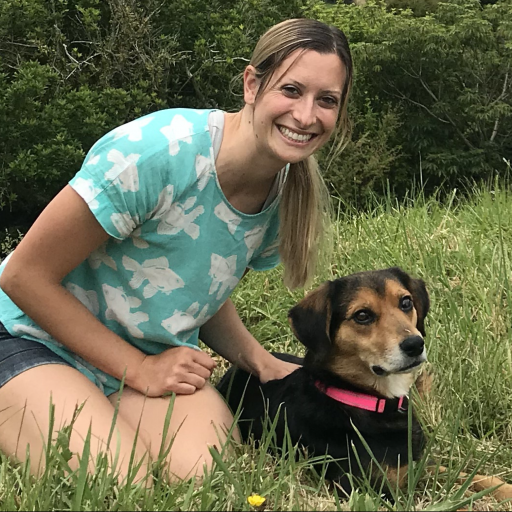
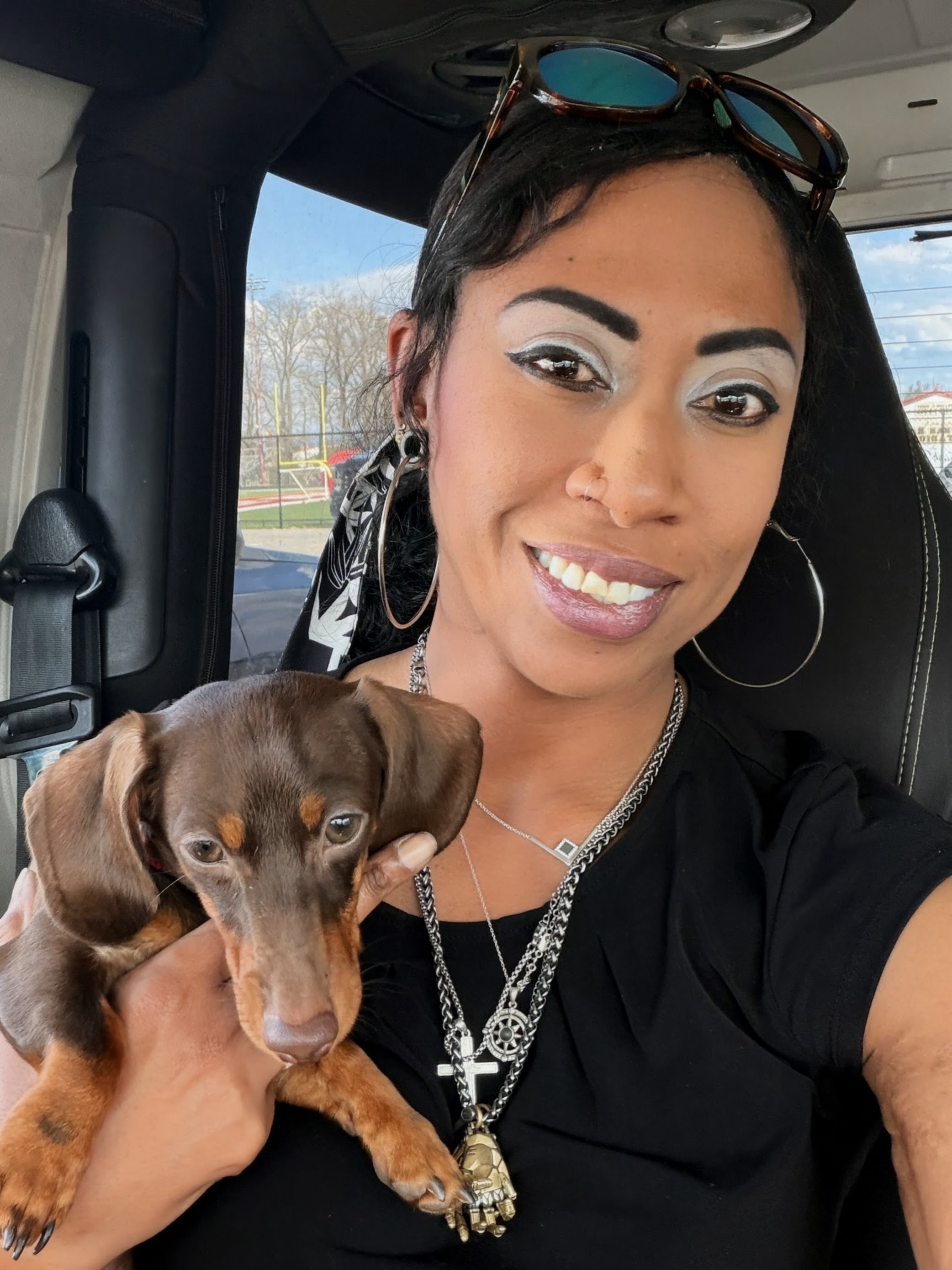
Foster families consistently report something that surprises them: they don't feel like they're doing a favor. They feel like they're part of something.
"You know from the beginning that this animal belongs to someone who loves them," one foster volunteer put it. "You're not just looking after a dog. You're holding a relationship together for someone who can't be there to hold it themselves."
That context changes everything. The dog isn't a burden; she's a responsibility you've chosen to carry on behalf of someone who couldn't be home. Every walk, every meal, and every belly rub is an act of service that runs in a parallel line to the service the owner is performing somewhere else.
Foster families get the joy of a dog without the forever part. Veterans get the peace of mind that their dog is safe. And Operation Foster keeps both sides of that equation working.

The Science of the Wait (And the Reunion)
We've all seen the videos: the veteran walking through the door, the dog who stops, shakes, then loses it completely. We've watched them collapse together on the floor, the dog in the veteran's arms, and we've cried at our phones.
Those reunions carry genuine therapeutic weight. Research on veteran-dog bonds consistently shows that the human-animal relationship buffers stress responses at the physiological level, lowering cortisol, regulating the nervous system, reducing the hypervigilance that makes civilian life so disorienting for returning service members. Veterans with strong bonds to their animals report a greater sense of purpose, better mood regulation, and reduced social isolation.
The reunion isn't just a happy ending. It's a reset. A return to a relationship that the veteran's nervous system recognizes as safe, and that recognition, studies suggest, can help accelerate reintegration in ways that other forms of support can't quite replicate.
Something more specific: a relationship built before the deployment, before the trauma, before the medical crisis, a relationship the dog holds in its body and returns to the veteran intact when they come home.

The Difference One Home Makes
Operation Foster operates at the intersection of the wellbeing of dogs (and other pets) and the people who love them. Every service member who gets through a deployment knowing their pet is safe is a service member who can focus on the mission rather than managing grief from 5,000 miles away. Every veteran who can enter treatment without surrendering their dog is a veteran who might actually get better.
Operation Foster is always looking for foster families, volunteers who spread the word, and donors who help keep the program free.
If you have space in your home — even just for a few months — visit operationfoster.org to apply as a foster family. The application is free. The matching process is thoughtful.
If fostering isn't possible right now, just sharing this article helps. And if you'd like to support the work financially, donations keep the program free for service members.
Because no one who's served their country should have to pay to keep their dog while they're deployed. Visit operationfoster.org to learn more.
Operation Foster is a nonprofit founded in 2011 and headquartered in Gladwyne, Pennsylvania. To apply for foster care assistance, become a foster family, or support the program, visit operationfoster.org
Expert dog care, straight to your inbox
Vet-reviewed advice, training tips, and the best of Dogster. Free, and you can unsubscribe anytime.
By signing up, you agree to our Terms & Conditions and Privacy & Cookies Policy.
Gisele Barreto Fetterman is a nationally recognized advocate for food security and community resilience and a first responder. Her work has helped rescue millions of pounds of food, expand access to essential resources, and inspire community-based solutions to hunger and poverty. As Development Director for Operation Foster, she leads fundraising and strategic partnerships to advance the organization's mission of preserving the human-animal bond. Throughout her career, she has remained committed to creating communities where every person—and every family, including those with pets—has the support they need to thrive.
Join the conversation
Ask a question, share your story, or send private feedback.