How a NASA Rocket Scientist Invented a Better, Safer Dog Toy
In this article
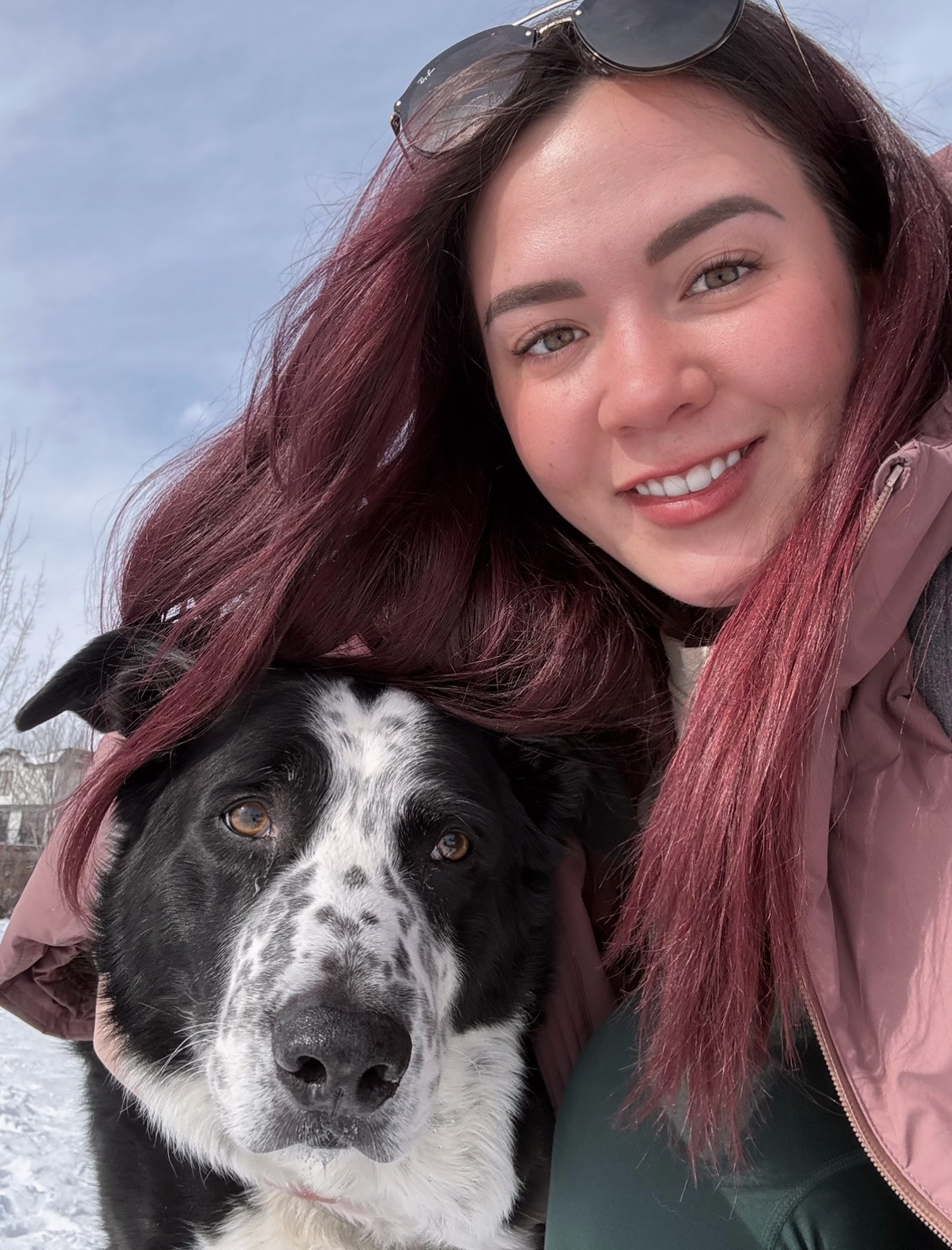
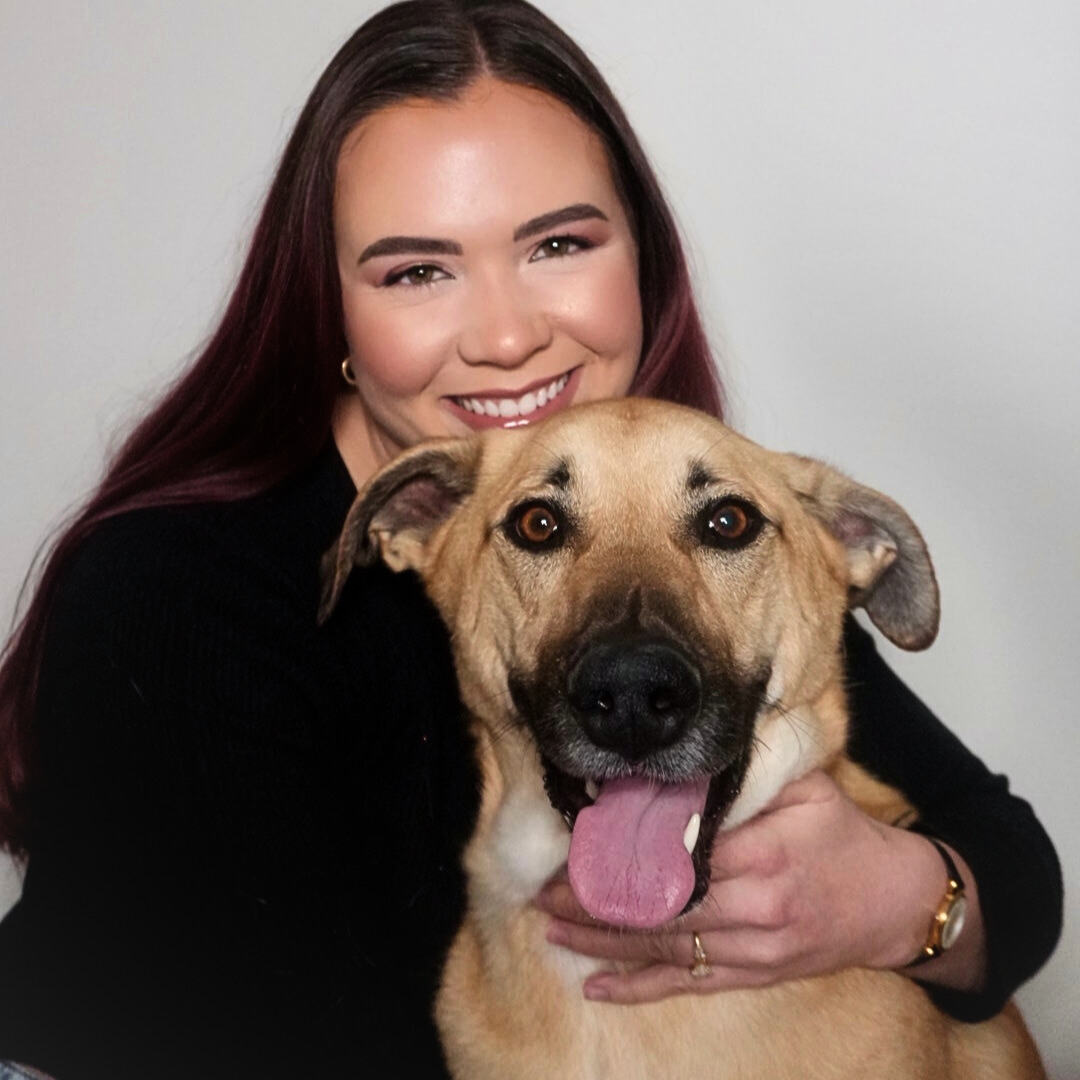
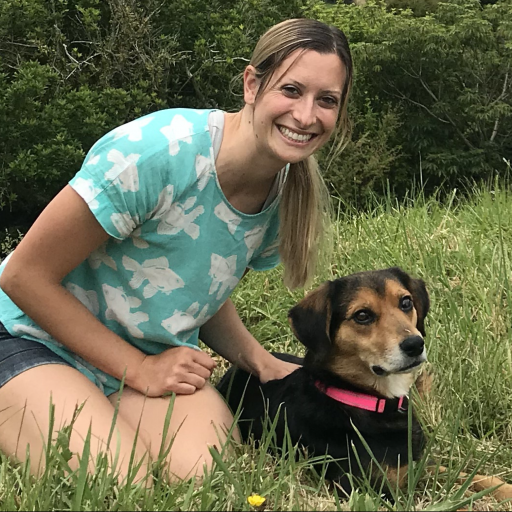
Since I was 11 years old, I only wanted two things in life: to work at NASA and to have a dog. I started applying (and getting rejected) to NASA internships in high school, and on the pet front, I didn’t get my first dog, Luna, until my junior year at the University of Illinois studying Aerospace Engineering.
Back then, it was just me and Luna and a worn-out little fox puppet she dragged with her everywhere she went. By the time I made it to NASA’s Mission Control in Houston as a Propulsion Officer, Luna had two sisters, Nova and Millie.
I was living my dream. My own little slice of perfection.
By day I was helping launch rockets into outer space and flying spacecraft to the International Space Station. I even had a chance to work as a Propulsion Officer, callsign PROP, during Artemis I, NASA’s first mission to the moon in 50 years.
And the best part? I got to come home to walk, play, and cuddle with my three amazing dogs.
Feeling like I had more love to give, I began fostering. Seeing a dog transform from anxious and scared to energetic and playful in a loving home ignited something in me.

Fostering Changed Everything
In late 2018, my brother, an MIT- and Stanford-educated mechanical engineer, decided to leave his corporate job at Airbus to move in with me. He spent months crashing on my couch in Houston.
I would head to work at NASA, and he would stay home, spending time with my pups and the fosters. Some days we were socializing scared dogs, other days bottle-feeding newborn puppies or coaxing shy kittens out of hiding.
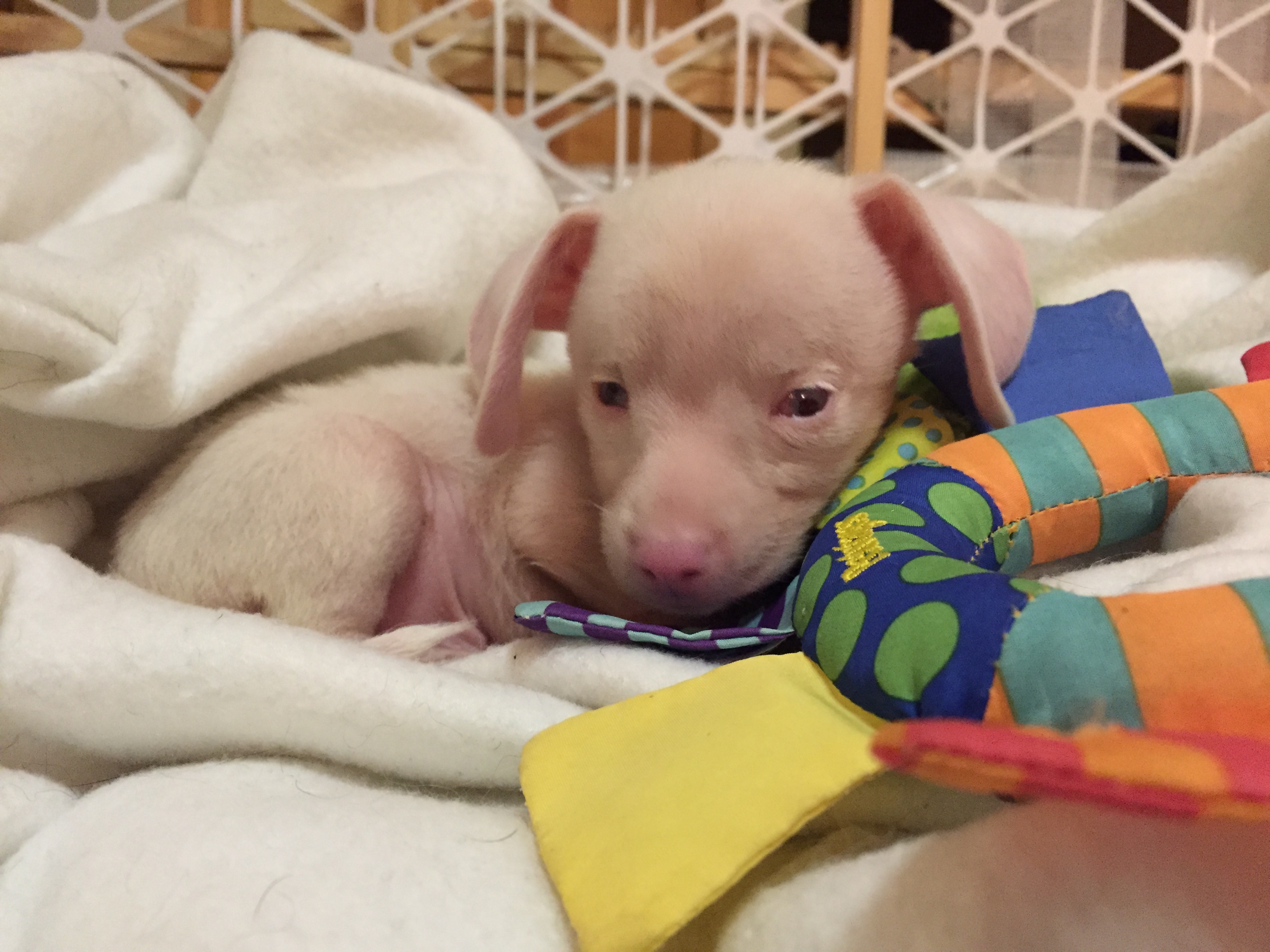
The first fosters we took care of together were a litter of 4-week-old puppies. The chunky, potato-sized puppies were so small, we were able to keep all five of them in a storage bin. We took turns waking up in the middle of the night to bottle feed them every four hours. These were the youngest puppies I had ever taken care of. I was so grateful to see them grow up from sleepy balls of fur to rambunctious puppies who were running around nipping at everything in sight.
One weekend morning, a few weeks in, my brother and I were on the living room floor with all five of them climbing all over us.
One was chewing on my sleeve, another had my brother's shoelace, a third kept launching herself at my hands every time I moved them.
Tiny shark teeth on our fingers, on our ankles, on anything that moved. We had tried balls, tug ropes, every interactive toy we could find, and none of them really worked. What we wanted was a way to play with them how they naturally played—without coming away bleeding.
And that is when I thought of the fox.

Solving the Puppy Problem
Years earlier, on a trip to the zoo with my grandfather and my nephew, I had wandered into the gift shop and picked up a little fox puppet. Even though it was technically a kid’s toy, Luna had claimed it the day I brought it home, and it had been her favorite for years, riding along with us from Los Angeles to Illinois to Houston.
That’s when it hit us.
What if we created a puppet specifically designed with pets in mind?
As engineers, our product development process closely follows the scientific method. We observed, ran experiments, and iterated.
Our foster dogs became our beta testers, and our living room became the lab.

Designing Like Rocket Scientists
Front paws grabbing, back legs kicking, teeth working the whole time. That was what we were designing for.
Our first prototype was just the puppet, no sleeve, and the scratched-up arms in our early photos became the data set that told us a sleeve was non-negotiable.
The first versions slid around during play, until one day in a sporting goods store we saw golf club covers and realized that was the construction we needed. Then the padding. A classic constraint problem. Too thick and the hand cramped in minutes. Too thin and the arm wasn't protected.
We tuned the fabric in parallel, scrolling through hundreds of squirrel photos on our phones, testing colors and textures until the toy actually triggered prey drive instead of just looking like a toy.
After two years of iterating, we had landed on our final design.

Applying NASA’s Safety Standards to Dog Toys
On one of my regular visits to the local rescue, one of the puppies chewed the plastic eye bead clean off. Thankfully, she didn't swallow it. But a close friend had just been through an emergency vet visit when their dog swallowed part of a plastic toy, and the image of that being one of ours was enough.
We had just given the go to start production, and now we had a safety issue.
As a rocket scientist, high-stakes safety problems were not new to me. At NASA, every potential failure on a spacecraft gets assessed via a hazard report. You identify the cause, then you work the mitigations in priority order. Design it out if you can. If you can't, build in protections. If you still can't, rely on real-time operations. What if the propellant tank bursts? What if the valve fails to open? What if a dog chews off the plastic eye? Same process, same priorities.
The further along you are in development, the harder each priority is to achieve, so the easy answer is usually the lowest one.
In this case, the easy answer would have been to rely on operations, just tell people not to leave their pet unattended with the toy. But that answer felt wrong. We did what we tell ourselves to do at work, even when it costs us time. We designed the problem out. An embroidered eye was the answer. Safer, and as it turned out, more realistic.
Working in space for so many years has taught us that doing the right thing is not always easy, especially when scheduled delays are involved. But when safety is on the line, easy is never the answer.

The Moment We Knew We Had Something Special
Once the final product had been made, we took it to a local rescue that had just taken in a litter of puppies and their mom. I walked in to hear puppies yapping from within their playpen, the mom getting momentary relief, resting beside the pen.
I took the toy from out of the packaging and began to roll it up my sleeve, ready to play with the puppies. As I began making my way to the pen, I was stopped by the mom. I paused, thinking perhaps the mom was being protective of her puppies.
Then I noticed something: the mom was eyeing the squirrel I was wearing on my hand. The mom was the one who wanted to play!
Watching this tired mom transform back into a playful pup right before our eyes, I knew we had something worth sharing with the world.

Building Milunova
Several years later, what started as a puppet for puppies has grown into something we never could have imagined. From adopting three dogs to fostering over 100 dogs and cats, that love became a brand.
We started Milunova, which we named after my three dogs, Millie, Luna, and Nova.
We've sold in 25 countries, expanded our patent-pending design into a whole lineup of animals, and become the favorite toy of thousands of dogs and cats around the world.
This year, we're finally bringing back our most viral product ever, our patented poop bags, which we've been unable to sell for nearly 5 years while we solved one of the hardest manufacturing challenges we've ever taken on.
And just like our very first toy was born out of fostering puppies, this next chapter is being shaped by the kittens currently taking over my home. A brand new line of cat toys is on the way, designed with the same care, observation, and engineering that started it all.

From Rockets to Reinventing Pet Toys
Looking back, I've come to realize that aspiring to be a rocket scientist and aspiring to reinvent the pet space require the same thing: a certain level of delusion and perseverance.
The belief that you can build something truly special for the pets and people who love them, and the stubbornness to keep going when the easy path is to quit.
That's the mindset that's carried us this far, and it's the one carrying us into everything next.
Expert dog care, straight to your inbox
Vet-reviewed advice, training tips, and the best of Dogster. Free, and you can unsubscribe anytime.
By signing up, you agree to our Terms & Conditions and Privacy & Cookies Policy.
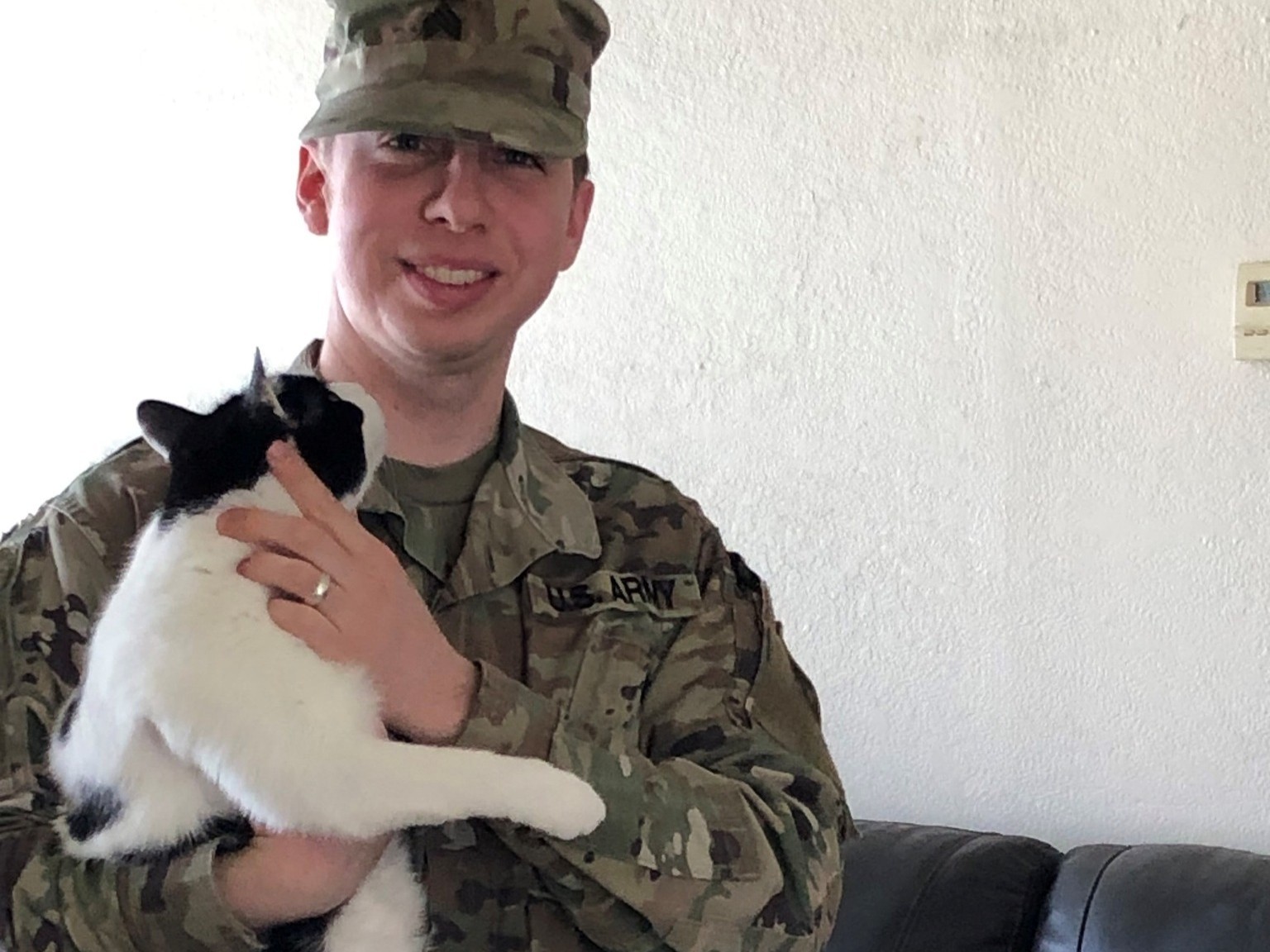
Erik Lopez is a NASA engineer by day and pet industry innovator by night. As the proud dog dad of Millie, Luna, Nova, and Gibbie, Erik has also fostered over 100 dogs and cats. He co-founded Milunova with his brother Saul, and together they hold multiple patents for inventions in the pet space.
Join the conversation
Ask a question, share your story, or send private feedback.