Why Are Dogs Scared of Vacuums? Vet-Verified Facts & Helpful Tips

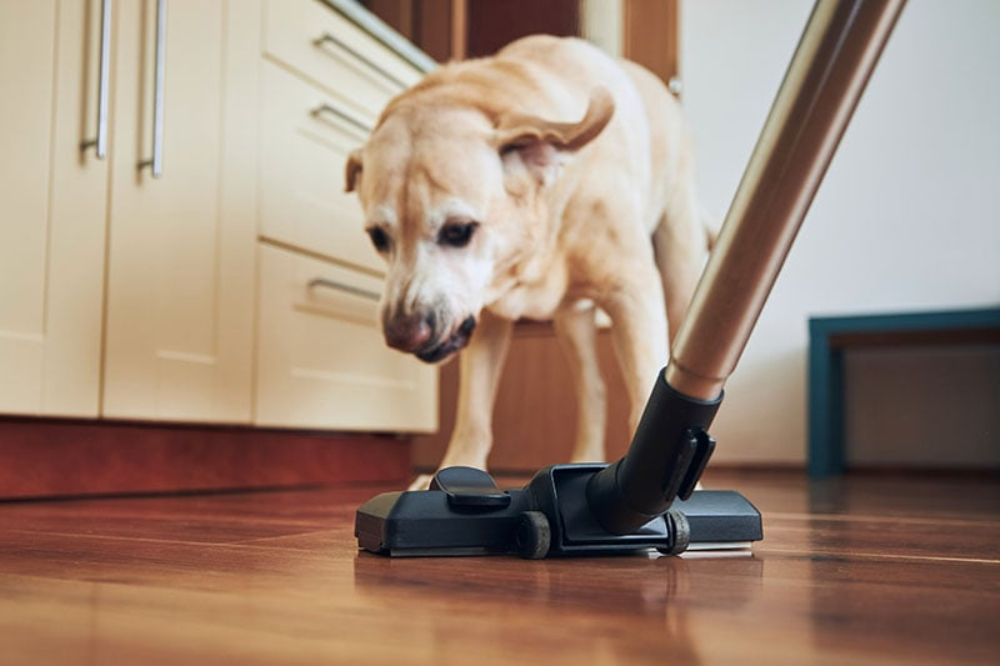
Perhaps this is a familiar scene in your home: It’s cleaning day and time to vacuum, so you switch the vacuum on, and your dog bolts from the room. It’s not uncommon for pets to be noise-sensitive, and one study noted a prevalence between 20% and 50% in pups displaying this unwanted behavior.
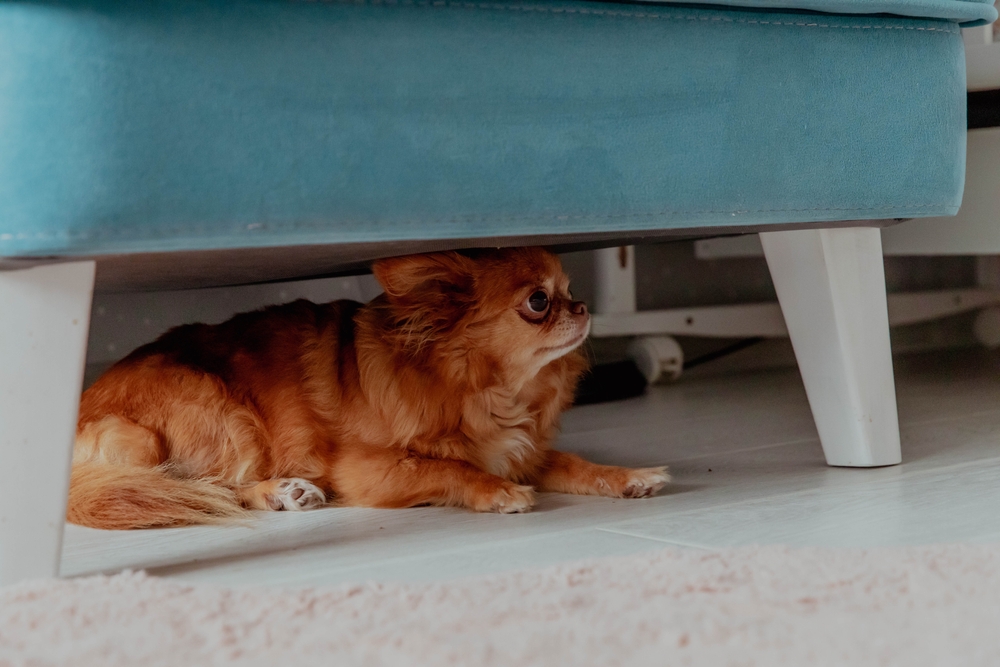
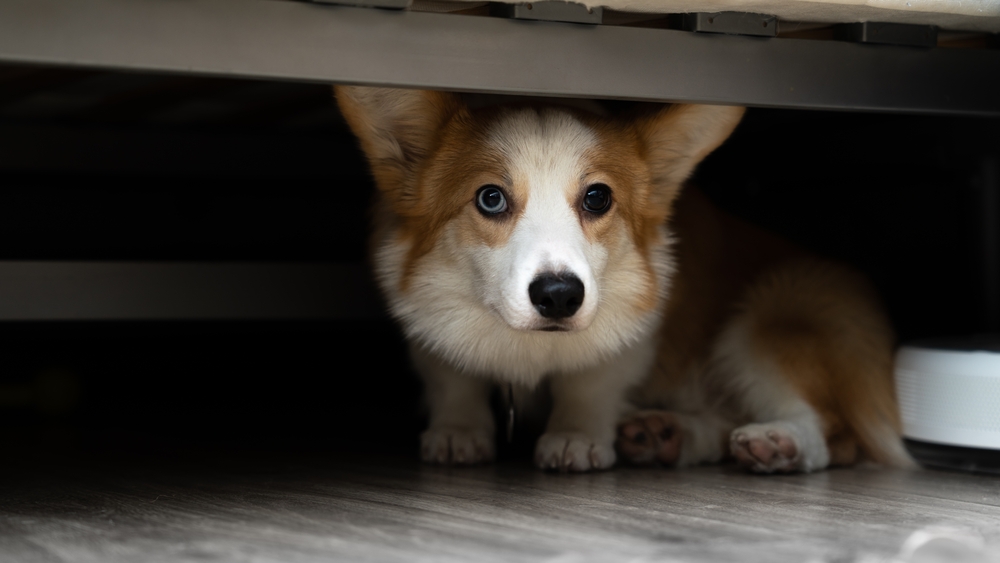
If your dog is scared of the vacuum or loud noises, it could lead to some fearful behaviors. Let’s explore other reasons for your pup’s fearfulness and discuss ways to curtail the problem.

The True Reasons Dogs Fear Vacuums
There’s a good reason why manufacturers often include the noise level of their products in the listing’s specifications. Vacuums are loud; the sound can reach 80 dB or more. Let’s put that figure in context. The ambient noise in a room with conversation and activity is around 30 to 50 dB, and the sound is noticeable to you and your pet.
Previous experiences with loud noises can make your dog prone to anxiety. Fireworks can range from 150 to 175 dB, while thunder comes in at 120 dB. Your pup may react fearfully to the vacuum because the sound is reminiscent of other frightening sounds. But we can’t forget the unknown of the vacuum either. It appears out of nowhere and is moving quickly around the room, so yes, it can scare a dog.
Humans and dogs have different hearing ranges. We can detect sound between 64 and 23,000 Hz. The range for dogs is between 67 and 45,000Hz.1 Therefore, what may be merely annoying to use is quite loud from a canine perspective. Humans start to experience non-auditory adverse health effects at 55 dB. So, a vacuum blaring at 80 dB may even become uncomfortable for dogs.2

Experiences in Puppyhood
The environment influences animal behavior. However, the experience is vast and diverse. A pup’s upbringing, time with their mother and littermates, and separation from them all play a role in the behavior of adult dogs. Early developmental stages offer additional clues as to why pets may fear vacuums.
Puppy behavior follows a predictable path based on neurological growth and development. Two or more fear impact periods exist in the animal’s young life. Traumatic experiences during these times can leave a lasting impression. A dog scared of the vacuum may have gone through something frightening during those spans.
It’s not always a bad experience that leads to fearful behavior in dogs; new experiences may be very frightening. Puppies have a critical socialization period that lasts from 3 to 14 weeks. New experiences after this time are likely to cause fear. So it may just be that your dog was never exposed to vacuums as a puppy and has not been desensitized in later life.
Genetic Component
External forces largely shape canine behavior. However, research has shown a genetic link to noise-sensitivity. Interestingly, the data was similar to previously discovered genetic links in humans. Other research identified age as another contributing factor, with noise sensitivity increasing as the animals get older.
It’s worth noting that links between the various types of unwanted behavior exist. Scientists have also found associations between noise sensitivity and separation anxiety. They suggest animals presenting with this phobia be evaluated for other issues.
The takeaway is that behavior is complex. It involves multiple genes with varying environmental triggers. Let’s delve further into the latter’s contribution.

Behavioral Modification Tips for Dogs Scared of Vacuums
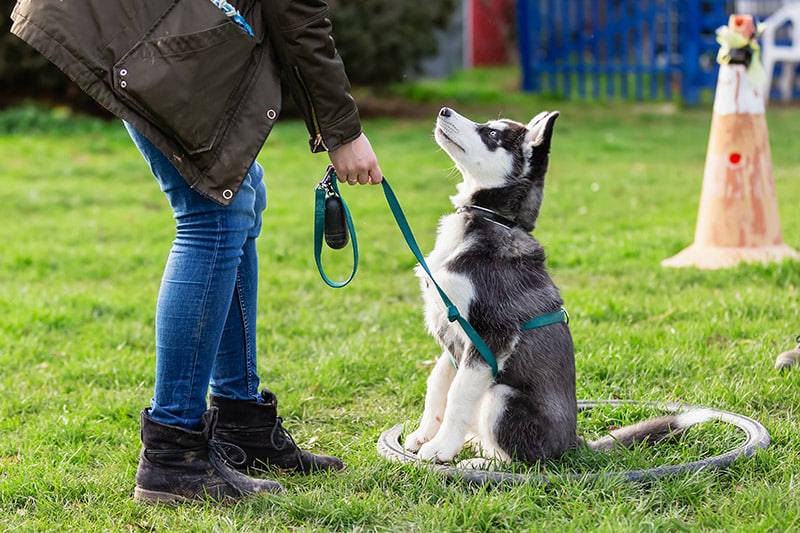
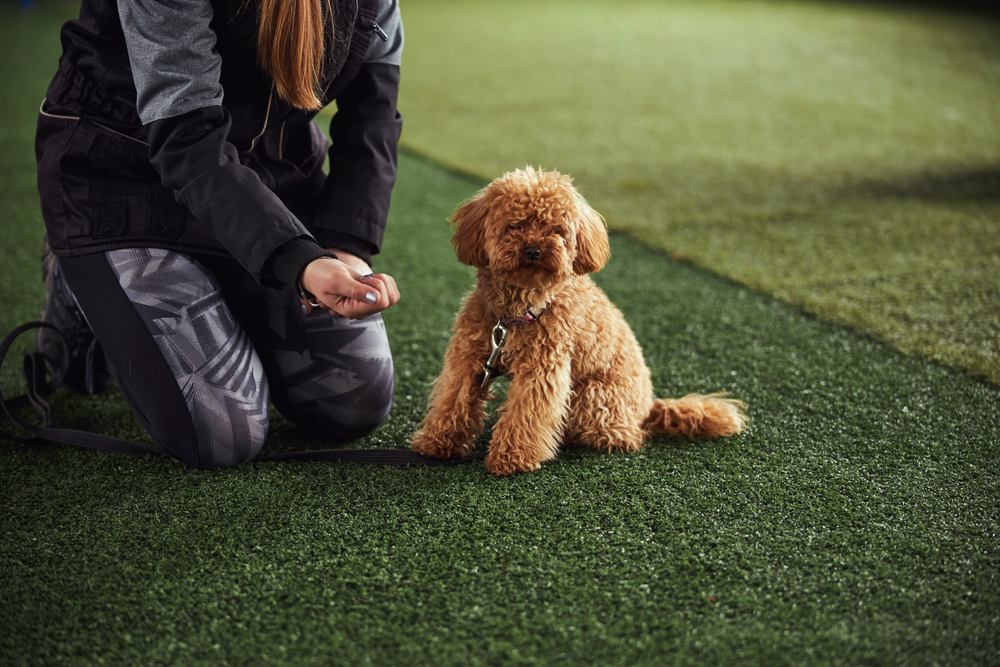
Tackling behavioral issues like noise sensitivity is a tedious process. It requires a dedicated owner who is willing to spend the time modifying a pet’s response to a negative environmental stimulus, like the sound of a vacuum, and shaping it into something else. Counterconditioning is an excellent approach to reducing stress and anxiety in you and your dog.
The goal is to teach your pup to make a positive association with something they deem negative. The great motivator is treats. They make excellent training aids for all kinds of situations. You should begin by getting your pet used to the presence of the vacuum, preferably in a quiet room with no distractions. Let your dog explore the vacuum at their pace. You’ll know if you’re making headway if your dog responds happily to the vacuum’s presence in anticipation of a treat. You should give your dog a treat when the vacuum is first in sight. It’s imperative not to rush this process. The next step is getting them used to it moving around without power and its associated noise.
As a separate exercise, play the sound of the vacuum via a video on a very low volume. This volume control is critical to desensitize your dog to the much louder noise of the vacuum. If you go straight to turning the vacuum on, they are likely to be very scared. As much as possible, set your dog up for success. Don’t put them in a situation where they are going to react badly. Slowly (over days or weeks) increase the volume of the noise and reward them for calm behavior.
Observe your dog’s reaction before moving on to running the vacuum. The last thing you want is a setback. Make sure to run the vacuum slowly, avoiding anything that would cause it to get louder. We recommend vacuuming when your dog is awake to avoid startling them from a sound sleep. Don’t be discouraged if your pup has a setback. It’s all right to start the process again to ensure the lesson sticks. Go slowly, and let your pet stay within their comfort zone.
Bonus Tip:
Conclusion
It’s easy to understand why dogs might be scared of the vacuum. They’re loud and kick up a lot of dust. Other reasons may also exist beyond your control. However, it’s possible to get your pet used to the vacuum. It’ll take time and patience to let your pup figure out they have nothing to fear when you do house-cleaning. A hug and a treat can make everything better, but counterconditioning is your best option for fixing this fear.
Sources
Featured Image Credit: Jaromir Chalabala, Shutterstock
Expert dog care, straight to your inbox
Vet-reviewed advice, training tips, and the best of Dogster. Free, and you can unsubscribe anytime.
By signing up, you agree to our Terms & Conditions and Privacy & Cookies Policy.
Since 2009, Chris has written on a variety of topics. Her motto with all of her writing is “science-based writing nurtured by education and critical thinking.” She specializes in scientific topics, with a special love for health and environmental topics, and of course, pets of all shapes and sizes.
Chris lives happily with her husband and three cats in the land of 10,000 lakes, writing, wining, and boating as much as she can. She and her husband, Norm, were awarded the State of Kentucky Colonel Honor for their restoration work at Mammoth Cave National Park.
Join the conversation
Ask a question, share your story, or send private feedback.