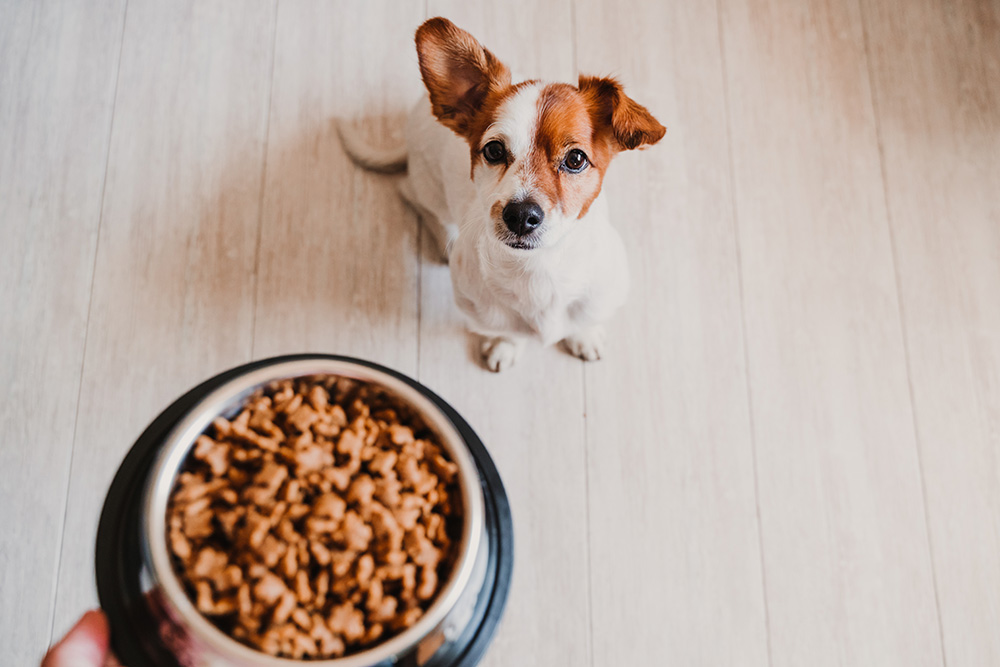
Dogs would not be dogs if they didn’t show overflowing excitement whenever they caught a whiff of mouthwatering kibble! That said, you may be a bit tired—and rightly so—of watching your furry friend turning every meal into a chaotic frenzy.
So, if your dog fusses, barks, whines, pushes you or your other pets, or just doesn’t know how to behave at mealtimes, it’s time to bring order to this chaos with a simple but effective lesson: teaching your dog to wait for food. Here’s a step-by-step guide to instilling patience in your greedy pup.

Before You Start
Before diving into the training process, make sure you have all the necessary tools on hand. You’ll need your dog’s regular food, a bowl, a timer (you can use your phone), and their favorite treats. Choose a quiet, distraction-free area for these training sessions, and make sure your dog is hungry but not ravenous. A hungry pup is more likely to pay attention and cooperate.
Side note: According to veterinarians and dog experts at Cornell University College of Veterinary Medicine, the “wait” command should be used to tell your dog to temporarily stay where they are and wait for further instructions. For instance, you might use “wait” to ask your dog to hold still while you are opening their crate door to let them out. Similarly, you can use “wait” when placing your dog’s food bowl on the floor at home. Essentially, it serves as a temporary pause, during which your dog can anticipate receiving further instructions or being released from the command soon.
How to Teach a Dog to Wait for Food in 5 Steps
With all that in mind, let’s look at the five steps to teaching your eager eater to wait for their meal.
1. Set the Stage
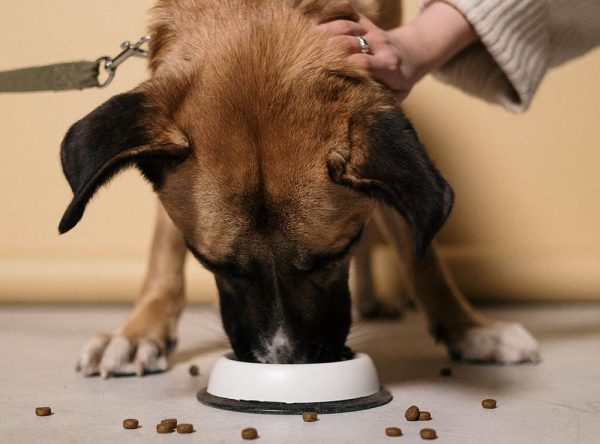
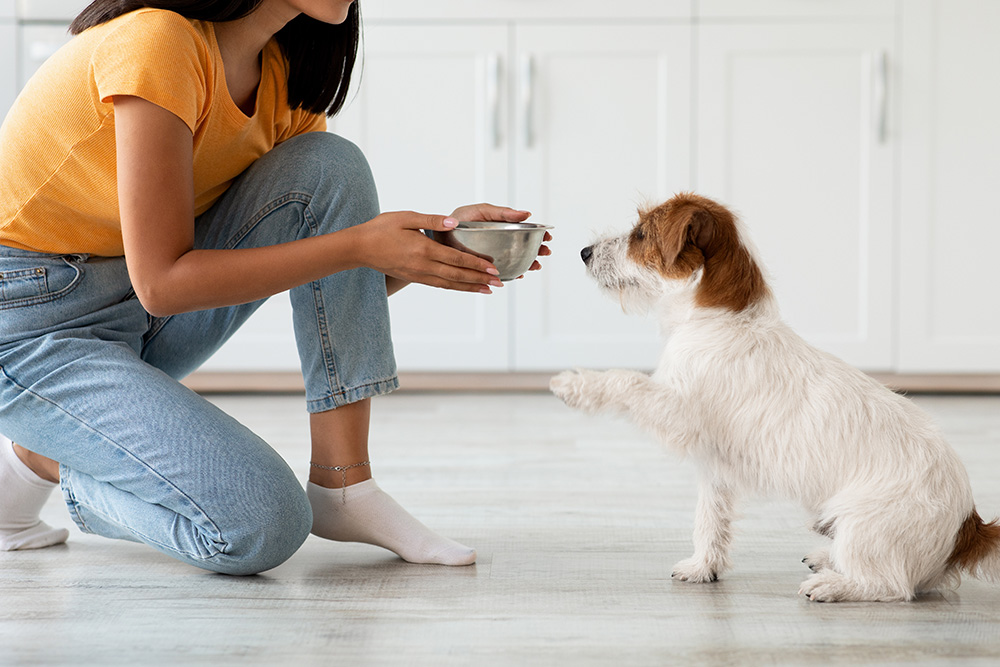
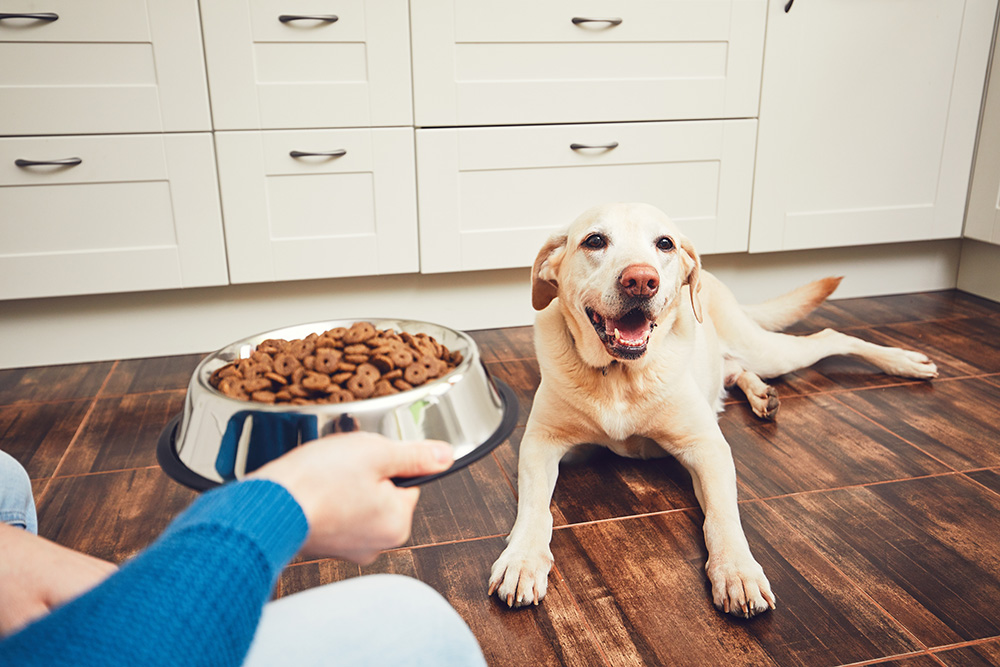
Start by placing your dog’s empty food bowl on the ground in the designated feeding spot. Withhold the food for now, and ask your dog to sit —reinforce the command with a treat if it’s necessary. THen ask your dog “wait.” This sets the expectation that something exciting (i.e., mealtime) is about to happen but teaches them that they need to wait a bit longer.
2. Use a Timer
Once your dog is in position and eagerly awaiting their meal, set the timer for a short duration, such as 10–15 seconds. Hold onto the food bowl while maintaining eye contact with your pup. If they remain calm and composed during this time, you can praise them and offer a treat as a reward for their patience. However, if your dog moves toward their food, remove the bowl. Don’t pay them any attention, not even by saying “No!”. Repeat the same step.
3. Keep It Short and Sweet
Gradually increase the waiting time duration with each training session. Start with small increments, adding a few seconds at a time. The goal is to build up to a point where your dog can patiently wait for several minutes before being rewarded with their meal. Remember to praise and reward them for each successful wait.
4. Introduce the Release Word
As your dog becomes more adept at waiting for their food, introduce a release command, such as “Okay” or “Free.” This signals to your dog that it’s now acceptable to approach the food bowl and enjoy their meal. Practice this command consistently during training sessions until your dog associates it with the end of the waiting period.
5. Don’t Give Up
Patience, consistency, and repetition are always crucial for teaching your dog a new behavior. Practice this “waiting” training regularly by integrating it into your dog’s daily feeding routine. More importantly, muster all your patience and understanding when teaching your dear pup a new command. Learning takes time, and each dog progresses at their own pace.
Frequently Asked Questions
How Long Does It Take to Teach a Dog to Wait for Food?
Teaching a dog to wait for food can vary in duration depending on factors like your dog’s temperament, your previous training experience, and how often you practice it with your pet. Some dogs may grasp the concept relatively quickly within a few days or weeks of consistent practice, while others may require more time. It’s essential to be patient and persistent, as rushing the process can lead to frustration for both you and your dog.
How Can I Reinforce the Waiting Behavior Outside of Mealtime?
Practice asking your dog to wait before going outside, receiving attention or treats, and entering or exiting doorways. As you know, consistency is essential, so reinforce the wait command consistently across different contexts to reinforce the desired behavior.
What If My Dog Is Too Excited and Won’t Listen During Training Sessions?
If your dog gets too excited or has trouble staying focused during training sessions, you might want to exercise them before starting training, to help them burn off that extra energy. A short walk or play session can help calm them down and improve their ability to concentrate. Also, make sure to break down the training into shorter, more manageable sessions and use high-value treats to keep their attention.
Can This Training Be Done With Multiple Dogs?
Yes, teaching multiple dogs to wait for food is possible, but it will require more planning and patience! It’s often best to work with each dog individually at first to ensure that they understand the concept before attempting group training sessions. Once each dog has a solid grasp of the behavior, gradually introduce them to training together.
What If My Dog Becomes Frustrated or Aggressive During Training?
If your dog becomes frustrated or aggressive during training, you must remain calm and avoid making the situation worse. Don’t punish or yell at your dog. Take a step back, and assess your immediate surroundings for potential triggers or distractions that may make your dog more aggressive or nervous. Adjust this training approach as needed. Always focus on creating positive associations, and reward your dog only when they are calm and cooperative. If your dog is showing signs of resource guarding, or aggressive behavior when food is involved, seeking guidance from a certified veterinary behaviorist or dog trained is a good idea.
If you need to speak with a vet but can't get to one, head over to PangoVet. It's our online service where you can talk to a vet online and get the advice you need for your pet — all at an affordable price!

Should I Use a Specific Type of Food or Treat for Training?
It’s best to opt for small, bite-sized rewards that are highly palatable and easily manageable. Experiment with different types of treats to determine what motivates your dog the most, whether it’s commercial treats, cooked meats, veggies, or homemade treats. Consider using a mix of their favorites to keep training sessions engaging.
Final Thoughts
Teaching your greedy pup to wait for their food is a valuable skill. Not only does it promote good manners and self-control, but it also strengthens the bond between you and your best furry friend. So, why wait? Start teaching your dog the art of patience today, and enjoy more peaceful mealtimes together!
Featured Image Credit: eva_blanco, Shutterstock