Get

In Your Inbox

Dogster is reader-supported. When you buy via links on our site, we may earn an affiliate commission at no cost to you. Learn more.

How to Store Wet Dog Food: 7 Vet Approved Tips & Tricks

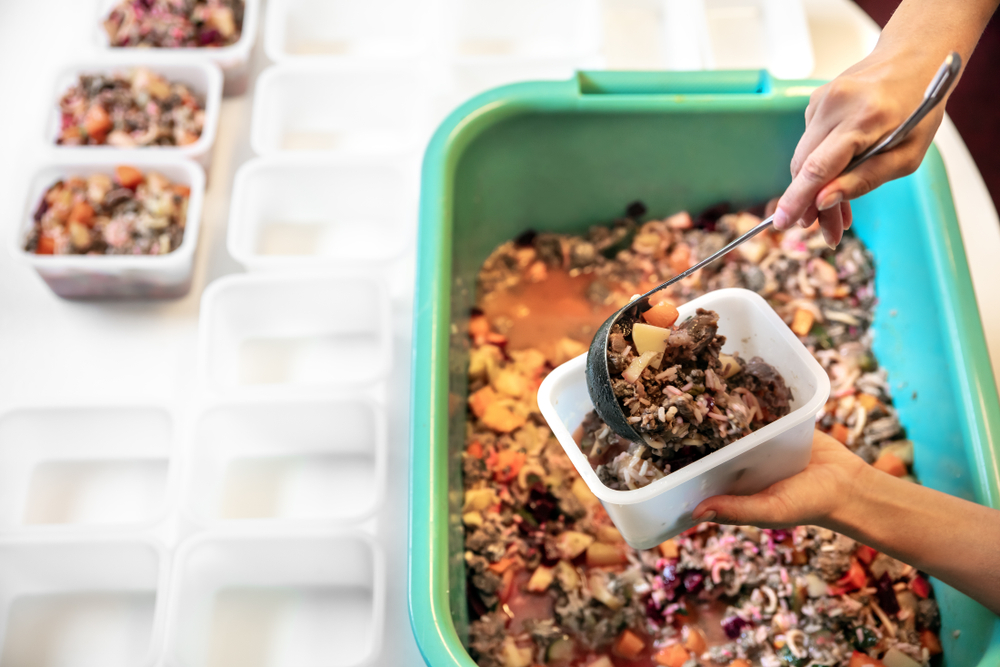
woman filling homemade fresh wet food into containers

Wet dog food is a popular texture to feed canines, and it definitely has its share of nutritional benefits. If you have your dog on a wet dog food diet, you’ll want to know all about the best ways you can store it.

After all, unlike dry kibble, it is not as easy to keep. Despite its low shelf life, you can keep wet food for several days when stored properly. Here’s how!

divider dog paws 3 oct 2024

The 7 Tips to Store Wet Dog Food

1. Consider Shelf Life

The most important thing you must consider before storing wet food is shelf life. On average, the recommendation is to keep wet dog food in the fridge for up to seven days after opening.

Your dog should gobble up their portion quickly, meaning nothing gets tossed. But if they like to stretch it out or you use wet food as a topper to dry kibble, it might spoil before you have the chance to use it.

Spoiled food has risks, as it tends to go bad quickly, so knowing how far ahead your dog food will stay good is an integral part of the process.

man buying pet food in the store
Image Credit: LADO, Shutterstock

2. Place Food into a Separate Sealed Container

If you put wet dog food in the fridge, you must remove it from its original container. Wet dog food often comes in a can or a sealed pouch.

Even though these materials were sufficient to keep the wet dog food fresh before unsealing, you will need to put it in a sealable container. But do you have to use your good Tupperware for this? Definitely not. You can even use a sandwich bag as long as it seals shut properly.

If your dog’s food is open in the fridge, it’s susceptible to oxygen exposure. Oxygen dries out and spoils food sooner. So, even if it’s being refrigerated, uncovered food will go bad quickly.


3. Label the Food

Labeling the leftover dog food is super important. You can label the food however you see fit, whether the date you put it in or the date you need to remove it from the fridge. This will directly indicate how long the food is good and when you should discard it.

Either way, it’s nice to have a written reminder. Then, you can make sure not to give your dog spoiled or old servings of dog food by mistake.

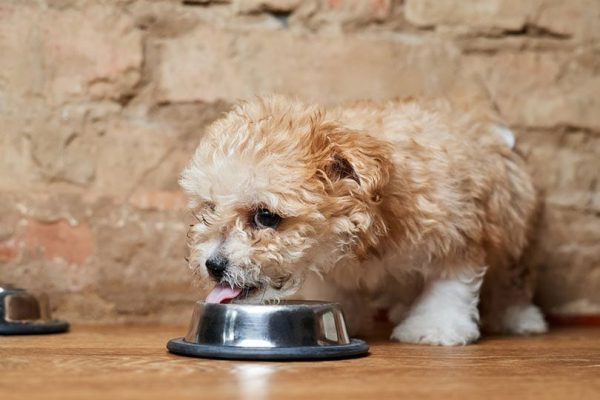
fluffy dog eating from plastic bowl
Image Credit: New Africa, Shutterstock

4. Make Sure the Lid or Zipper Is Sealed Tightly

If you store dog food in the fridge, you need to ensure it’s airtight so it stays good as long as possible. As we touched on earlier, dog food left openly exposed can dry out or go bad quickly.

If you are using a zippable bag, make sure to press out any extra air to avoid oxygen exposure.


5. Store in a Refrigerated Space

Always store wet dog food in a fully refrigerated place. Coolers and cabinets are not good for this. You might try storing it away from your other food items so your kids don’t get the dog food mixed up with last night’s meatloaf.

All wet dog food should be refrigerated at temperatures between 40 and 45 degrees.
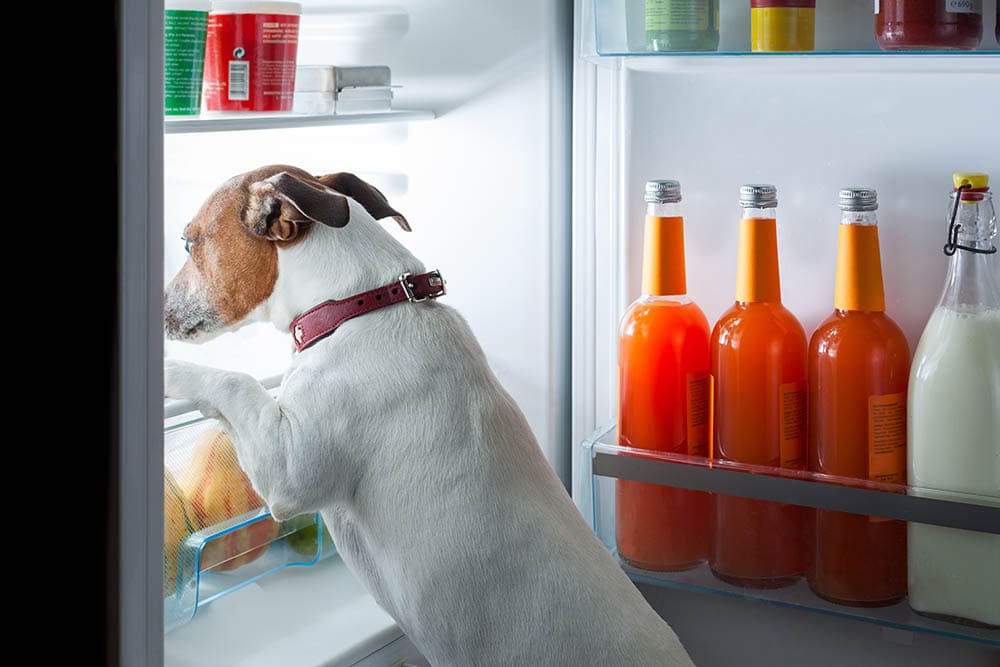
jack russell looking for food in the fridge
Image Credit: Javier Brosch, Shutterstock

6. Don’t Re-Chill Heated Dog Food

When you get the dog food out, it will be downright cold. So, you may be tempted to nuke it in the microwave for a few seconds—perfectly understandable.

However, after you have taken this dog food from the fridge to divvy it out, don’t put the food back if you have heated it up. It’s okay to get a dish of wet dog food and put a serving into a bowl.

But if you take out the entire package and heat it up, you should use it all, according to the Food Standard Agency. Simply give the dog the rest of the meal or discard it after heating.


7. Discard Leftovers After the Allotted Time

If you haven’t used all dog food once the expiration date comes up, simply discard the dog food into your trash can. Never give your dog wet dog food past the expiration date—seven days or less once opened.

If you feed your dog spoiled food, it can cause all sorts of trouble for your pet. At the very least, they will suffer some gastrointestinal upset. At worst, they could get seriously sick due to bacteria.

Dog sniffing metal trash can
Image Credit: Vera Aksionava, Shutterstock

divider dog paws 3 oct 2024

In Conclusion

As you can see, storing wet dog food in your fridge isn’t so hard. But you will have to make sure that you toss anything after seven days—or after it’s been reheated. Remember to label any food clearly so you can make sure your dog eats it up before it goes bad.

All of the storage information in this article is also applicable to fresh dog food.


Featured Image Credit: Miriam Doerr Martin Frommherz, Shutterstock

Want content like this delivered to you?

Sign Up For Our Newsletter

News, insights, expert advice, and everything dog

* By submitting, you agree to our Terms & Conditions and Privacy & Cookies Policy.

How useful was this post?

Click on a star to rate (you can leave written feedback after clicking submit)

Help us improve Dogster for pet parents!

Your feedback really matters.

What did you like about this post? Also how can we improve it?

Join the conversation

Leave a Reply

You’re very welcome to leave a comment or question. Please know that all comments must meet our community guidelines, and your email address will NOT be published. Let’s have a positive and constructive conversation.

Talk With A Vet Online

Peace of mind,
anywhere, anytime

Affordable vet advice

Catahoula Bulldog Breed: Info, Pictures, Care Guide & More

The Catahoula Bulldog is a loyal and affectionate designer dog developed from two United States-based dog breeds: the Catahoula Leopard Dog and the...

Can Dogs Eat Cheese? Vet-Reviewed Nutrition Facts & Safety Guide

As a dog owner, you may have given a piece of cheese to your dog as a treat, or they may have snagged...

Large Munsterlander Dog Breed: Info, Pictures, Facts & Traits

The Large Munsterlander is a gentle-natured dog with origins in Münster, Germany. Originally bred as a gundog, they’ve long been distinguished by their...

Can Dogs Eat Parsnips? Vet-Verified Nutrition Facts, Risks & Serving Tips

Parsnips may have a small fan club. They aren’t as popular as other vegetables in the Apiaceae family, such as carrots and celery....

More related

Top 6 Dog Friendly Beaches Near Tybee Island: Off & On-Leash Places to Go in 2025

About 18 miles from downtown Savannah, Georgia, Tybee Island is often called “Savanah’s Beach.” Tybee Island has long been known as one of...

Westie & Corgi Mix: Info, Pictures, Care Guide & More

Westies and Corgis are two of the most popular small dog breeds, and it’s not hard to see why. Westies are friendly, clever,...

Can a Dog Walk on a Torn ACL? Vet-Approved Advice

Dogs, just like humans, can tear ligaments in their knees. While humans have anterior cruciate ligaments (ACLs), dogs have cranial cruciate ligaments (CCLs)....

Dogs and Cats: How Lava & Hela Treat the Kitties

Hi, I’m Dr. Maja! Read my introduction to learn more about me and my two crossbreed dogs, Lava and Hela. For those of...

Keep reading

Can Dogs Eat Chickpeas? Vet-Verified Nutrition Facts & FAQ

Chickpeas have a pleasant, nutty taste that lends itself well to many dip, salad, and curry recipes. They can provide many nutritional benefits for humans, but can you share this legume with your dog? Offering chickpeas in their plain form...

Can Dogs Eat Chickpeas

Can Dogs Eat Limes? Vet-Approved Facts & FAQ

Disclaimer: Before changing your dog’s/ cat’s diet or introducing new ingredients or supplements that they haven’t eaten before, especially when it comes to human food, make sure to consult your veterinarian first. Every dog/cat is different and requires an individual...

Can Dogs Eat Limes

Can Dogs Eat Chorizo? Vet Approved Nutrition Facts & Risks

Chorizo is a spicy sausage that most of us love, and when we love something as pet owners, we sometimes want to share it with our pets. However, there are some foods you shouldn’t share with your pet, and chorizo...

Can Dogs Eat_chorizo

Can Dogs Eat Carrot Cake? Vet-Reviewed Facts & Safe Recipes

We are all well aware that human foods can be harmful to dogs. Some just don’t have any health benefits for canines, while others are highly toxic to them, including many sweet treats. Dogs shouldn’t eat carrot cake, though if...

Can Dogs Eat Carrot Cake

Can Dogs Eat Rambutan? Vet-Verified Safety Facts

If your dog is like most, they love to eat. They gobble up their food at every mealtime, go after scraps that fall off the table or counter, and investigate anything that they come across outdoors to see if it...

Can Dogs Eat_rambutan

10 Best Stainless-Steel Dog Bowls in 2025 – Reviews & Top Picks

There are many different dog food bowls, but stainless-steel bowls are some of the best options for many dogs. They’re more durable than other materials and can also be more hygienic. There isn’t much variety in stainless steel bowls, but...

two fluffy dogs eating from the triple stainless steel feeders

Vitamin K for Dogs: 5 Vet-Approved Food Sources

Vitamin K is a necessary nutrient for all humans and animals. In addition to making this vitamin within our bodies, we can get the vitamin from the foods that we eat, and so can your dog! Here are five great...

white samoyed dog looks at a plate of vegetable salad

Can You Warm Up Dog Food? Vet Approved Facts & Tips

Nobody likes cold, refrigerated food unless it’s meant to be cold. Like us, our dogs can be sensitive to chilled or cold food. Even if you think your dog’s can of dog food is room temperature, chances are it could...

feeding bowls filled with wet food