How to Stop a Dog from Barking at the TV: 6 Vet-Approved Tips


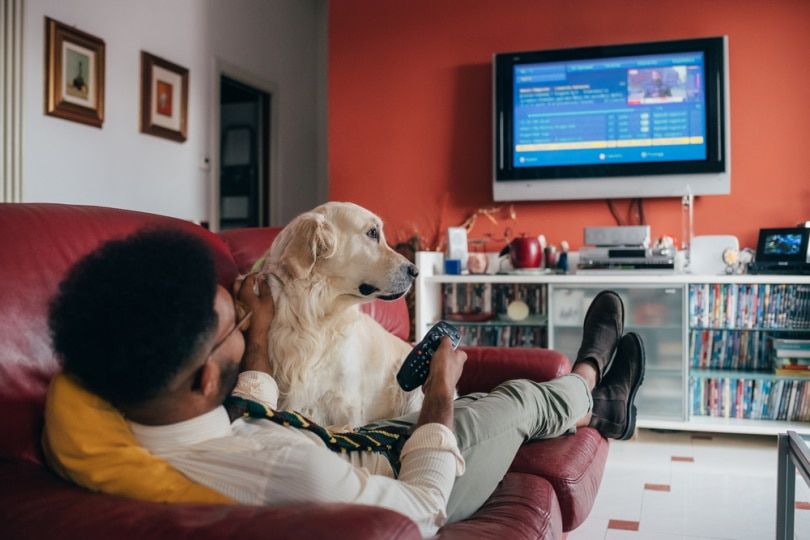
When you’re watching television, you don’t want your dog to bark at every little noise or movement on the screen. As much as you love your pet, continuous growling and barking grate on your nerves. You want to relax in your home with your dog beside you.
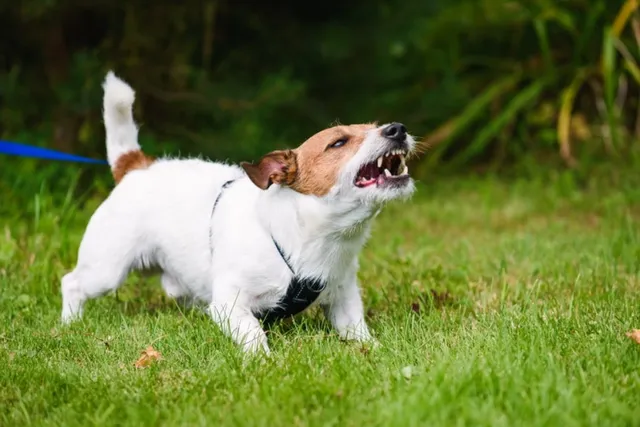
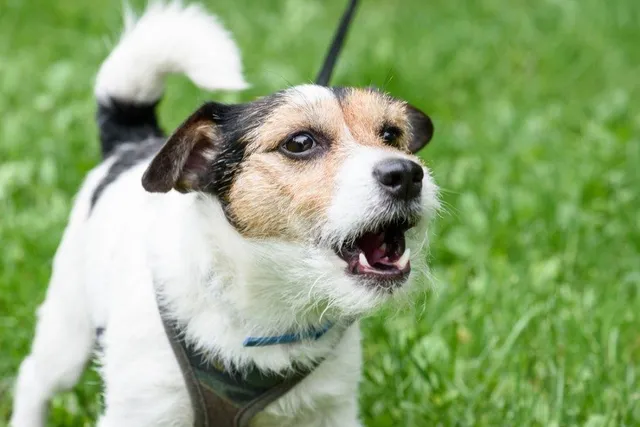
Some dogs will only bark at particular triggers on TV, such as a bird flying or a wolf howling, while others will bark at almost anything you watch. A dog that won’t stop barking can feel like an impossible problem to solve, but there are proven steps you can take to reduce the problem. The steps in this guide will help you pinpoint the cause of your dog’s behavior and find a solution that works.

Before You Begin Training
Every dog has a unique personality and temperament. Some dogs are more independent than others or have issues from past owners that are hard to fix. It may take time to address their barking at the television problem, but with patience and consistency, you can watch your favorite shows in peace again.

Tools
There are a few tools to have on hand before you start this process:
Now that everything is in place, you can follow these six steps to keep your dog from making noise when you watch the TV.
How to Stop Your Dog from Barking at the TV
1. Sit With Your Dog in Front of the Television
The first step is to place your dog beside you in front of your TV. Pull up videos that you know will elicit a barking response. It’s best to pick clips that include several triggers so that you don’t waste time on commercials or random moments your dog won’t notice.
The key is to gradually help your dog become comfortable with the images and sounds on the screen by pairing gradual exposure with positive reinforcement. If they lunge toward the TV or try to move away, the leash can help you maintain control while keeping your dog at a comfortable distance from the trigger.

2. Offer Your Dog Treats Before They Start Barking
As you start playing the videos, give your pup one of their favorite treats. The treats help create a positive association with the images and sounds on the television and can encourage your dog to remain calm. Be careful to reward your dog when they remain calm and attentive rather than reacting to the television. You don’t want to reward the behavior you’re trying to stop accidentally.
3. Use Your Selected Training Phrase
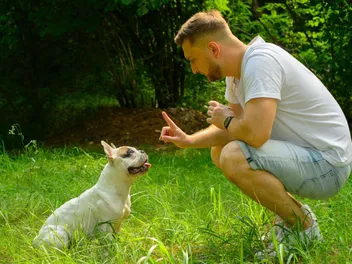
If your dog begins barking, lunging, or becoming overly focused on the videos, calmly use a cue they already know, such as “leave it” or “look at me”. Using a previously trained cue is often more effective than generic corrections such as “no” or “stop.” Use the same command if you have already trained your dog to leave something alone. When your dog responds appropriately, redirect their attention and reward calm behavior rather than repeatedly repeating the cue.

4. Consistently Reward Your Dog When They Don’t Bark
Let your dog watch the videos with you as many times as it takes. Keep them close to you and show them the treats when they start to bark or react to the screen. When your dog notices the trigger but remains calm, immediately reward them with a treat. If your dog begins barking, wait for a brief pause in the behavior or redirect their attention before rewarding. Over time, your dog will learn that remaining calm around television triggers leads to rewards.
5. Build Up the Tolerance to Videos & Be Patient
Like all training exercises, getting your dog to stop barking will take repeated sessions. Some dogs respond to the training more quickly than others. The key is to get your dog used to the stimuli and excitement on television and to be consistent with rewarding good behavior. You want the experience to be positive, so don’t react with anger.

6. Keep Your Dog Out of the Room If You Don’t Have Time to Train
The quickest way to derail the process is to be inconsistent. Once you start this training, your dog will get confused if you let them bark at the television one day but not the next. You might have times when you don’t have the time or patience to work with your dog. If you need to relax and can’t actively train, place your dog in a comfortable area, such as a crate they already enjoy or another room, where they can rest away from the television. This helps prevent them from repeatedly practicing the unwanted behavior when you’re unable to work on training.
Final Thoughts
Dogs don’t bark to annoy you. They are usually just excited or nervous about what’s happening around them, but you can change their response to the environment with training. Positive reinforcement and being consistent with your dog will make all the difference. Every dog is different, so the time it takes for the training will vary. However, by following the steps in this article, hopefully you can help reduce and manage this unwanted behavior over time.
See Also:
Sources
Featured Image Credit: Eugenio Marongiu, Shutterstock
Expert dog care, straight to your inbox
News, insights, expert advice, and everything dog.

No spam — unsubscribe anytime.
By signing up, you agree to our Terms & Conditions and Privacy & Cookies Policy.
How useful was this post?
Click a star to rate. You can leave written feedback afterwards. (We read all feedback.)
Nicole has loved animals of all sizes her whole life so it's no wonder she has dedicated her career to helping them through what she loves best: learning, writing, and sharing knowledge with others. She’s the proud mom of two dogs, a cat, and a human. With a degree in Education and 15+ years of writing experience, Nicole wants to help pet parents and pets around the planet to live happy, safe, and healthy lives.