How to Make Chicken Jerky for Dogs: Vet Approved Recipe & Tips


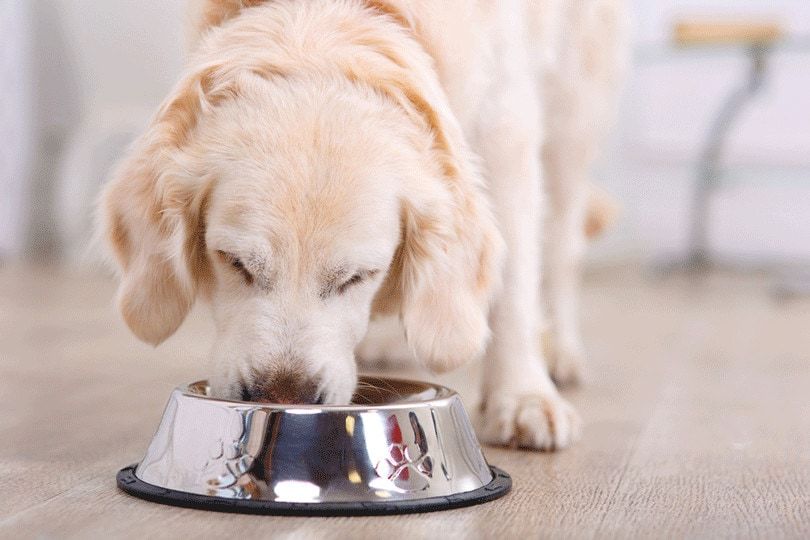
Chicken jerky is a delicious treat for your dog. Most dogs love chicken, and it’s often found in dog foods. Some dogs may be allergic to chicken, but as long as your doggie has no chicken allergy, you can make your own chicken jerky for your dog without having to overspend for a bag at your local pet store. By making your own, you also have peace of mind in knowing that you’re offering your dog good-quality, single-ingredient jerky instead of taking a chance on your doggie eating jerky with unnecessary fillers or preservatives.
In this step-by-step guide, we’ll explore how to make chicken jerky for your dog and what to know, so you have all the necessary information to make yummy chicken jerky for your pooch.

Before You Start
Having the correct kitchen appliances and ingredients beforehand will make the job much easier. Some recipes may require different ingredients and appliances, so be sure to check what you need before you start.
Helpful tip: When dealing with chicken to make homemade jerky, semi-freeze the chicken for 15 minutes to make slicing the chicken much easier.
Step-By-Step Guide for How to Make Chicken Jerky for Dogs
Always follow strict hygiene precautions when cooking and preparing chicken to avoid food poisoning for your pooch and you. Please note that this recipe is for a treat only and shouldn’t be considered a complete meal for your dog. For questions about your dog’s nutrition, please contact your veterinarian. If your dog has a chicken allergy, or if you suspect they have a chicken allergy, this recipe shouldn’t be used and you should consult with your veterinarian.
Many seasonings that are added into foods don’t offer your pup much in terms of nutritional value, and therefore, it’s best to avoid using these when preparing chicken jerky for your dog. It’s also more difficult to assess a food intolerance if your dog eats seasoned foods, as they may be intolerant towards a spice, not the meat itself. Therefore, it’s best to use chicken meat. The meat of the breast is your best option for this recipe.
- Place the chicken breast in the freezer for up to 15 minutes, if needed. This step isn’t necessary, but makes cutting thin slices much easier.
- Slice the chicken breast into slices of desired thickness. There’s no right or wrong here, however consistency is key. Placing uneven slices in a dehydrator will likely result in some pieces that are overcooked and others that are under or unevenly cooked. The fat of the chicken breast should ideally be removed, however this may dry out the end product and might not be readily accepted by your pup, depending on their preference.
- Set your dehydrator on anywhere from 165°F to 170°F (approximately 75-77°C). Please note: The USDA recommendation is for the interior of the chicken to reach 165°F for safe consumption. Not all dehydrators reach that temperature. If your dehydrator doesn’t reach 165°F, you should use an oven instead (explained below).
- Place your chicken strips in the dehydrator in single layers for a period of about 5-12 hours. The amount of time needed for the chicken to completely dry depends on the thickness of your slices.
- Every hour, check the bottom trays of your dehydrator (as these tend to get dehydrated first). Swap them to the top every to ensure that all your chicken jerky is ready at the same time. If your chicken slices are relatively thick (say, ¼ inch thick), you would want to flip them as well.
- During the dehydration process, ensure that you blot any excess oil with an absorbent kitchen towel.
- All done! The jerky should be cooled before being transferred to an air-tight container. They can last in an air-tight container for a period of 2 months in the freezer.
- Remember to always thaw the jerky before offering it to your pup. If you opt to place the jerky in a fridge instead, its shelf-life is much shorter (about 2 weeks at most).

If your dehydrator cannot go up to 165°F (75°C), then please follow the procedure listed below.
- Preheat your oven to 200-225°F (93-107°C).
- Line a baking tray with oven paper and place your thinly cut strips on the tray. Do not stack the chicken strips.
- Place the tray in your oven for a period of about 3-5 hours.
- Remove the chicken and use a meat thermometer to see if your strips have reached 165°F (75°C). If they have, you can continue the dehydration process in your dehydrator. If they haven’t reached 165°F (75°C), place them back in the oven until they do so.
Once dehydrated, the chicken jerky should have a crunchy, chewy texture. They should feel slightly firm to the touch but not exceedingly dry; applying a little bit of pressure from your hands should make the jerky slice bend a bit.
Conclusion
As you can see, making chicken jerky for your pooch is a simple process, and your doggie will love this tasty treat. Remember to avoid seasonings and ensure the chicken is thoroughly cooked. Allow the chicken to cool completely before feeding it to your dog, and don’t forget to store the chicken in an airtight container to retain freshness.
See also:
Sources
Featured Image Credit: Dmytro Zinkevych, Shutterstock
Expert dog care, straight to your inbox
News, insights, expert advice, and everything dog.

No spam — unsubscribe anytime.
By signing up, you agree to our Terms & Conditions and Privacy & Cookies Policy.
How useful was this post?
Click a star to rate. You can leave written feedback afterwards. (We read all feedback.)
Rachel Giordano is a writer and musician living in Pensacola, Florida, with her partner and their two dogs, Aero, a Border Collie/Sheltie mix and Sophie, a Boston Terrier. Rachel holds a Bachelor of Arts degree in communication and loves writing about animals of all types. When she’s not writing about pets, she loves to write suspense/thriller novels. A musician by night and writer by day, she enjoys educating the public about the needs and requirements of animals, big and small.