Is Glycerin in Dog Food & Treats Bad for Dogs? Vet-Reviewed Safety Guide


In this article
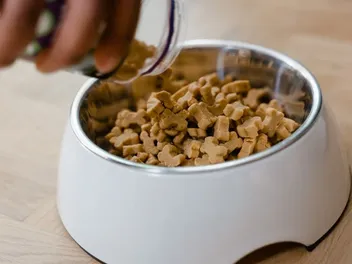
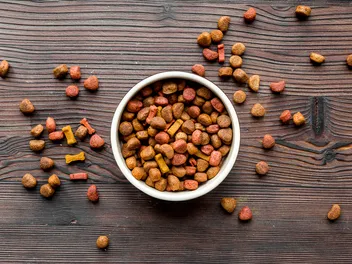
We all know that one key to a healthy dog's life is high-quality dog food. You look for ingredients such as whole meats and grains and ensure the diet is complete and balanced. You may not be looking for glycerin, but chances are you will find it in your dog’s food and treats.
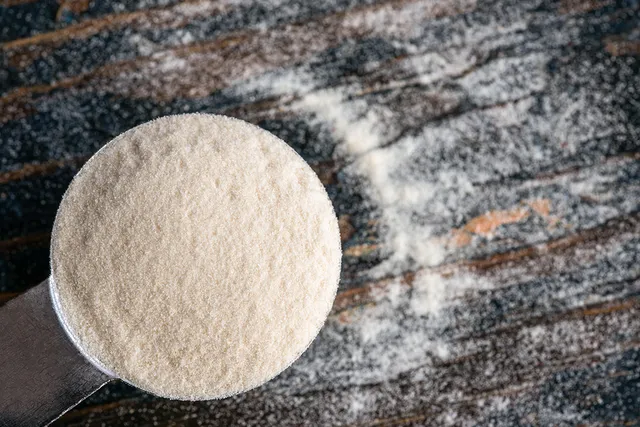
Glycerin, or glycerol, is a sugar alcohol1. It occurs naturally in fermented food and as part of the breakdown of fats. It's also synthetically derived. It has a broad spectrum of uses in dog food, including binding water to keep foods from drying out and helping to achieve a desirable texture.
Whether or not it’s safe for dogs is a controversial issue. However, the FDA says that glycerin is safe when “used in accordance with good manufacturing practice.”2 So, where the glycerin is sourced from and how much a dog eats comes into play.

Uses for Glycerin
Glycerin is like the Swiss army knife for manufacturing. The chemical has many uses, from sweeteners to pharmaceutical products to vaping products. It also crosses the line into non-consumptive areas, such as racing fuel and fog machines, and was used in antifreeze. This disparity of uses has undoubtedly driven some of the concerns about consuming it. However, we can say the same about many ingredients.

Derivation From Biofuels
One unexpected source came to light with the production of biofuels. Typically, we get glycerin from plant fats, such as palm, coconut, and soybeans. This chemical is also a byproduct of biodiesel3. Fortunately, crude glycerin has shown potential for use in generators and as heating fuel. The increase in the production of biofuels is creating an excess of glycerin, sparking interest in new uses.
Interestingly, some include using this byproduct for livestock feeds4. The quality and purity vary depending on the method of production used, causing some glycerin to contain impurities such as soap, salts, and alcohol, necessitating refinement before they can be widely used. More research is needed to determine its efficacy and applications, but you can probably see why a product used in these ways may not be considered an optimal ingredient in your dog’s food.
The Tale of the Tainted Chicken Jerky Treats
Cases of dogs getting sick after eating chicken jerky treats began to surface in 2012. The Canadian Veterinary Medical Association and, later, the FDA got involved. The agency thoroughly investigated the matter, traveling to the product’s source in China. The inspectors determined that the company was using glycerin potentially sourced from a plant called Jatropha. This species is highly toxic and can cause GI distress and kidney damage if ingested.
This discovery led the FDA to issue a warning to manufacturers about Jatropha-derived ingredients in July 2012, which was updated in April 2014. The agency found no evidence these toxic ingredients made it into the US food supply chain. Furthermore, it encourages vigilance and close monitoring of production.
The takeaway is to read the ingredients label carefully for any foods or treats you offer your pet. Jatropha-derived ingredients have been associated with products from Indonesia, Malaysia, and China. The agency reassured the manufacturers that production is minimal but warrants scrutiny.

Realistic Concerns About Glycerin
Chemicals used in manufacturing undergo intense testing, including toxicology. Glycerin's many applications have also made it the subject of research that may offer further advice to dog owners about giving their pets food and treats with this ingredient. While the FDA considers it safe, that designation doesn’t cover other situations where you should avoid these products.
One small study examined the effects of the oral administration of glycerol on blood glucose levels in dogs. The researchers found that it significantly increased these concentrations. These findings suggest that glycerin-containing products may be inappropriate for diabetic canines since they can affect the blood glucose levels in this way. It’s important to note that the amount of glycerol given in this study was much higher than what your dog would receive from eating food or treats containing glycerin. However, consult a veterinarian if you have any questions about this.
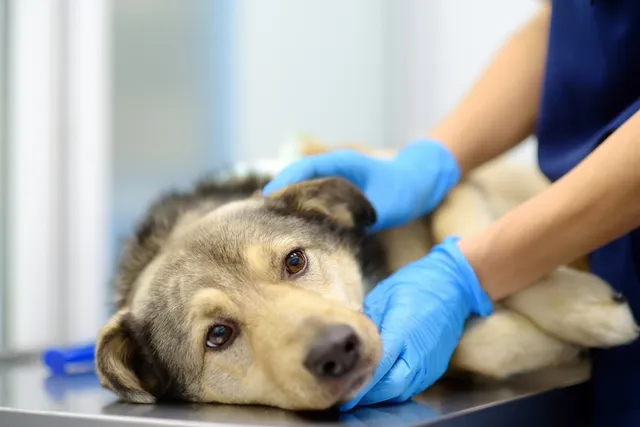
Toxicology testing revealed no adverse effects on DNA or cancer-causing properties. However, the tests involved rats, rabbits, and guinea pigs. Remember that dogs or any animal can react adversely to any ingredient. Small amounts of glycerin can cause allergic reactions, albeit rarely for non-animal-based ingredients. It may also not agree with your dog and trigger nausea and vomiting.
Despite the potentially negative or questionable press that glycerin has received, it’s important to remember that it has been deemed non-toxic and safe for animals when sourced as food-grade and used in proper concentrations. Unless a vet specifically warns against glycerin in your pet’s diet, it should be considered safe for them.

Final Thoughts
Glycerin is a widely used ingredient with many applications in various industries. The FDA deems food-grade glycerin safe, and preparations sourced from the United States pose the smallest risk to dogs. However, we strongly urge you to read the labels of any food you offer your pup. Don’t hesitate to contact the manufacturer to ask about sources. It’s your right as a consumer to know what they put in pet products.
See Also:
Sources
Featured Image Credit: 279photo Studio, Shutterstock
Expert dog care, straight to your inbox
News, insights, expert advice, and everything dog.

No spam — unsubscribe anytime.
By signing up, you agree to our Terms & Conditions and Privacy & Cookies Policy.
How useful was this post?
Click a star to rate. You can leave written feedback afterwards. (We read all feedback.)
Since 2009, Chris has written on a variety of topics. Her motto with all of her writing is “science-based writing nurtured by education and critical thinking.” She specializes in scientific topics, with a special love for health and environmental topics, and of course, pets of all shapes and sizes.
Chris lives happily with her husband and three cats in the land of 10,000 lakes, writing, wining, and boating as much as she can. She and her husband, Norm, were awarded the State of Kentucky Colonel Honor for their restoration work at Mammoth Cave National Park.