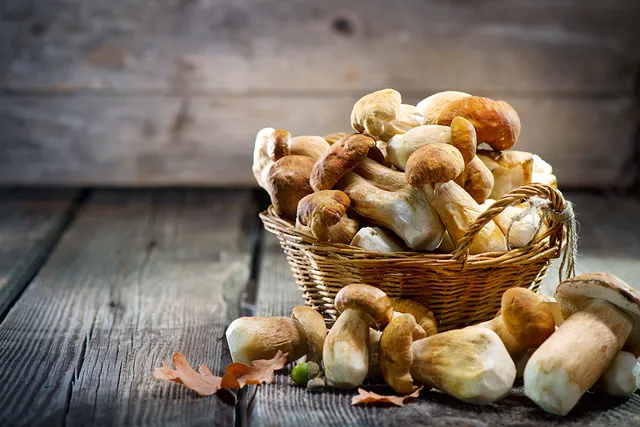
Can Dogs Eat Shiitake Mushrooms? Vet-Verified Nutrition Facts & FAQ


In this article
Mushrooms are a complex food. While many types offer a nutrient-loaded, low-calorie, savory, and meaty addition to your recipes, others can be deadly for both humans and dogs. Therefore, if you're staring at the shiitake mushrooms on your plate and wondering if you can share them with your dog, you're right in being cautious.
Thankfully, shiitake mushrooms are one of the best varieties to share with your pup. However, there are some things you should know before giving your dog a taste. Read on to learn about the benefits and risks of offering this fungus to your pet and how to prepare them properly.

What Are Shiitake Mushrooms?
Shiitake mushrooms (Lentinula edodes) are one of the most commonly eaten mushroom varieties in the world. They grow on the decaying wood of a variety of trees in moist and warm climates and are found predominantly in eastern Asia. As with many other herbs and plants, shiitake mushrooms have been used for decades in traditional herbal medicine.

Benefits of Giving Shiitake Mushrooms to Dogs
1. They May Have Cancer-Fighting Properties
Shiitake mushrooms are rich in a beta-glucan known as lentinan. Lentinans may improve the immune system and suppress certain cancer cells.
However, it is important to note that the cancer-fighting benefits of these mushrooms have been predominantly studied in humans, and dog-specific research is still lacking.
2. They Contain Many Vitamins & Minerals
It's not just their lentinan content that makes shiitake mushrooms healthy for dogs. These powerful fungi are chock full of vitamins and minerals your dog needs to thrive.
According to the USDA, a 19-gram serving of raw shiitake mushrooms contains a hefty dose of phosphorus, potassium, niacin, copper, and selenium1.
- Phosphorus is essential in many functions of a dog's body. It's important for cell energy use and growth and amino acid formation.
- Potassium can help maintain an acid-base balance and transmit nerve impulses.
- Niacin (vitamin B3) is involved in many physiologic and enzymatic reactions in a dog's body.
- Copper helps form some enzymes and hemoglobin, aids in cardiac and immune function, and helps develop connective tissues.
- Selenium helps to keep cells protected from oxidative damage and is involved with immune system functioning.

3. They're High in Fiber
Shiitake mushrooms have a relatively high fiber content, which can positively impact gut microbiota and overall health. Fiber is a necessary yet complex component in all commercial canine diets. In some cases, gastrointestinal conditions can be managed effectively with diets enhanced with fiber.
Foods high in fiber can also increase satiety, which may help reduce a dog’s overall food intake if they need to lose weight. One study in rats found that those fed a higher dose of shiitake mushrooms had a 35% lower body weight gain than those eating low or moderate amounts of the fungus.
Please note that we do not recommend using shiitake mushrooms for weight control unless advised by your veterinarian to do so.
Are There Risks to Offering Shiitake Mushrooms to Dogs?
While shiitake mushrooms are not toxic, there are some things you should know before giving them to your pup.
If your dog is unwell or takes medication, it's best to speak with your vet before offering them these powerful fungi. Lentinan interferes with cytochrome P450 activity in people; this group of enzymes is also present in dogs and involved in liver metabolism. Long story short, lentinan could interfere with the metabolism of some medications.
How to Serve Shiitake Mushrooms to Dogs
- Choose fresh mushrooms. Avoid ones with dark spots, mold, or a slimy texture.
- Clean them thoroughly. You wouldn't serve yourself unwashed produce, so extend the same courtesy to your pet.
- Cook them. Cooking shiitake mushrooms can make them easier for your pup to digest. Boil them, but do not add any oil, butter, or seasonings. Save those add-ons for the mushrooms you prepare for yourself.
- Introduce them slowly. Whenever you introduce new foods into your dog's diet, it's best to do so very slowly. This allows you to monitor them for any signs of digestive issues or adverse reactions.
- Opt for supplement form. If your vet gives you the thumbs up, you can buy powdered or capsule forms of shiitake mushrooms. You can better control dosage and easily add powdered varieties to your dog's food. While safety studies are limited, one study showed positive short-term results with a powdered supplement for dogs.
Can My Dog Eat Wild Shiitake Mushrooms?
Shiitake mushrooms are most often cultivated commercially on logs or sawdust, but it's not unheard of to find them in the wild if you live in or are visiting the areas of the world where they grow naturally. While not all wild-grown mushrooms are toxic, many are, and it's best not to take any chances at all. Unless you're an extremely experienced forager, you take a serious risk anytime you allow your dog to eat mushrooms they've found in the wild.
Final Thoughts
Shiitake mushrooms have a lot of benefits to offer both humans and dogs. They're a wildly popular variety, so finding them in your local grocery store shouldn't be too much of an issue. Make sure you wash and prepare them properly before feeding them to your dog. However, we do recommend getting the go-ahead from your veterinary team before offering this fungus as a snack, especially if your dog has other health problems or takes medication. Also see:
Sources
https://www.webmd.com/vitamins/ai/ingredientmono-763/lentinan
https://fdc.nal.usda.gov/fdc-app.html#/food-details/169242/nutrients
https://www.healthline.com/nutrition/shiitake-mushrooms#nutrients
https://www.petmd.com/dog/nutrition/evr_dg_whats_in_a_balanced_dog_food
https://www.petmd.com/dog/general-health/medicinal-mushrooms-for-dogs
https://avmajournals.avma.org/view/journals/javma/260/S3/javma.22.08.0351.xml
Featured Image Credit: Valentyn Volkov Shutterstock
Expert dog care, straight to your inbox
News, insights, expert advice, and everything dog.

No spam — unsubscribe anytime.
By signing up, you agree to our Terms & Conditions and Privacy & Cookies Policy.
How useful was this post?
Click a star to rate. You can leave written feedback afterwards. (We read all feedback.)
Chantelle is passionate about two things in her life – writing and animals. She grew up on the prairies of Canada surrounded by animals and as an adult, she choose to share her home with five cats, two guinea pigs, and a bearded dragon. Chantelle, her husband, and their child take great pride in being great animal parents- the ones who spend a thousand dollars on wall-mounted cat shelves so that their cats can have an indoor jungle gym all year round. When Chantelle isn’t snuggling her cats on the couch or taking pictures of them being funny, she’s outside exploring in the Rocky Mountains, binging the same shows on Netflix over and over, and reading about whatever random topic pops into her brain.