Can Dogs Eat Mint? Vet Approved Facts & FAQ


In this article
What do you think of when you think of mint? Fresh breath, spruced-up salads, smoothies, and mojitos. But have you ever wondered if your dog can have mint? Smelly dog breath is a common complaint, so is it okay to allow your dog to eat mint to freshen up his breath? The short answer is yes, but only fresh or dried Spearmint (Mentha spicata) or Peppermint (Mentha piperita) leaves and only in small amounts. Not all forms of mint are safe for your dog, and some are even toxic.
In this post, we’ll explore this topic more thoroughly, so you are armed with the information you need to keep your dog safe.

What Is Mint?
Mint is a common plant belonging to the Lamiaceae family, which contains roughly 7000 plant species. Mint is used for culinary purposes, as well as mouthwashes, chewing gum, toothpaste, candies, and breath fresheners. Mint serves many potential medical benefits for humans. It has been used for generations as a remedy to alleviate digestive issues and soothe cold symptoms.

What Are the Two Main Varieties of Mint?
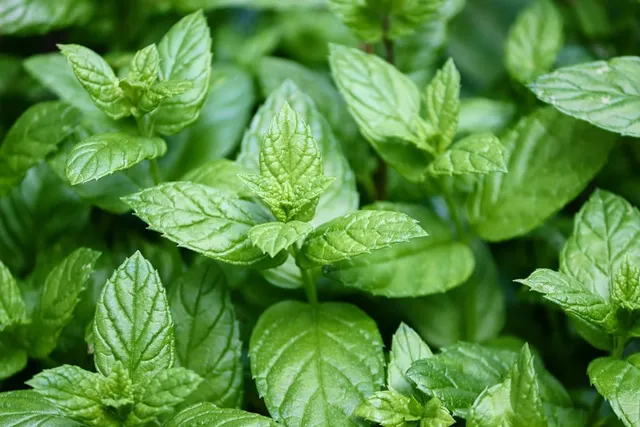
Within the genus Mentha, there are thought to be 25 species of fragrant herbs, known as mints. The two most common and well-known mint varieties are peppermint (Mentha piperita) and spearmint (Mentha spicata). These mints can easily be grown in your garden or balcony and used to add a unique flavor to culinary dishes.
Peppermint contains more menthol than spearmint and is widely used in desserts and candies due to its stronger flavor. Spearmint is milder and is used more commonly in toothpaste and chewing gums.

What Are Possible Benefits of Mint for Dogs?
There are a few benefits that fresh mint has to offer a dog, such as:
How Much and How Often Can I Give My Dog Mint?

The ideal way to give your dog mint is to sprinkle a few fresh mint leaves onto his food. Ensure you wash the leaves before putting them in the food to wash any dirt or potential pesticides off the leaves. If you choose to give your dog mint, ensure you observe and monitor afterward for tummy upset, as eating too many mint leaves can cause vomiting and diarrhea. If your dog has ingested more than a few mint leaves and you are concerned, you should reach out to a veterinarian.
It’s safe to let your dog have one to two fresh mint leaves at a time once or twice a week, but we do not recommend any more than that amount. Your dog should be eating a complete and balanced daily diet of high-quality dog food, with high-quality protein as a main ingredient. Feeding a complete and balanced dog food will provide your dog with the daily essential nutrients and vitamins he needs to be healthy.
However, it is safe to give a mint leaf or two once or twice a week, as long as the mint doesn’t cause any gastrointestinal upset.

Mints to Avoid Giving Your Dog
As we mentioned at the beginning of this post, not all varieties of mint plants are safe for your dog, and some are highly toxic. It is essential that you never give your pup any human foods containing mint. These often contain an array of ingredients that are not safe for your dog. This is outlined in more detail below.
Pennyroyal (Mentha pulegium) is part of the mint family but is extremely toxic to dogs in both oral and topical preparations. Pennyroyal is commonly found throughout the United States and is used in many gardens as a natural insect repellent. The leaves are green, but they also bloom purple flowers, which is a distinctive feature.
Pennyroyal plants contain Pulegone which is a toxic component found in several mint species.. It can cause liver damage or even complete liver failure if ingested. Pennyroyal oil, which is used in some essential oils and even in some flea powders and deodorizing sprays, can cause pennyroyal poisoning to dogs even if exposed only to the skin. We suggest consulting your veterinarian before applying any flea powder to ensure it is safe.
Signs of pennyroyal poisoning are:
Wintergreen plants (any of the evergreen plants within the Ericaceae family) are sometimes mistaken for mint and must be avoided because of their toxicity. Wintergreen plants have similar leaves to mint plants so ensure the plant you have is indeed a safe mint variety and not wintergreen.

Hazards of Mint for Dogs
As we know, mint is often added to breath mints, mouthwash, gum, candies, and more. You must avoid giving your dog human foods containing mint as these foods often contain harmful ingredients not meant for canine consumption. One such dangerous ingredient is xylitol, a natural, sugar-free sweetener found in gum, snacks, toothpaste, and more. Xylitol is particularly toxic to dogs, and you should always look at the ingredients on food labels before giving your dog any nibble of human food. Even some peanut butter, which is typically a dog favorite, may contain xylitol.
If you want to freshen your dog’s breath in a completely safe way, you can buy breath fresheners made specifically for dogs, such as dental chews. All ingredients in these products are safe for your dog and will help with that stinky breath! If your dog is suffering from smelly breath (halitosis), it is important to go and see your veterinarian for an oral examination.
Doggy breath mints won’t help if there’s tooth decay or infection in there. Brushing your dog’s teeth with doggy toothpaste is a much more effective way to ensure healthy teeth and fresh breath.

A Note About Essential Oils
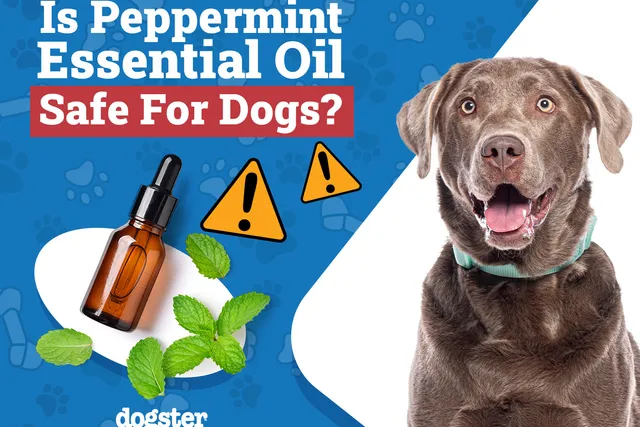
The American Kennel Club (AKC) and the Pet Poison Helpline advise about the dangers of using essential oils around your dog. Many essential oils used in diffusers are toxic to dogs, including peppermint, cinnamon, citrus, pennyroyal, sweet birch, pine, tea tree, wintergreen, and ylang-ylang.
These oils are toxic, whether spread on the skin or ingested, so it’s best to avoid using essential oil diffusers in your home when you have a dog.
Final Thoughts
Fresh or dried mint leaves are essentially safe for your dog to eat once or twice a week, but ensure you avoid wintergreen and pennyroyal, as these are very toxic to dogs. You must also avoid using peppermint oils and other essential oils around your dog due to their toxicity. Remember never to give your dog human foods containing mint.
The best way to let your dog enjoy mint is to sprinkle a leaf or two in smaller pieces in his food. Be sure to monitor your dog after eating mint to ensure he does not develop vomiting or diarrhea. If your dog develops any GI upset, contact your vet immediately. If you want to avoid any risk of using the wrong type of mint or giving too much mint, you can always give dog treats that contain mint. Remember, all treats are calorific, so should be given sparingly to avoid unnecessary weight gain.
See also:
Featured Image Credit: CC0 Public Domain, pxhere
Expert dog care, straight to your inbox
News, insights, expert advice, and everything dog.

No spam — unsubscribe anytime.
By signing up, you agree to our Terms & Conditions and Privacy & Cookies Policy.
How useful was this post?
Click a star to rate. You can leave written feedback afterwards. (We read all feedback.)
Rachel Giordano is a writer and musician living in Pensacola, Florida, with her partner and their two dogs, Aero, a Border Collie/Sheltie mix and Sophie, a Boston Terrier. Rachel holds a Bachelor of Arts degree in communication and loves writing about animals of all types. When she’s not writing about pets, she loves to write suspense/thriller novels. A musician by night and writer by day, she enjoys educating the public about the needs and requirements of animals, big and small.