The 10 Most Common Toxicoses in Dogs (Vet Answer)


In this article
During the holidays, you may notice a lot of veterinarians posting about potential toxins your dog may ingest. That’s because during the holidays, with traveling and/or having new people in the house, your dog may be at higher risk for eating things they shouldn’t.
However, as a dog parent, you should be aware of the 10 most common toxicoses in dogs all year round—not just during the holidays. Continue reading to find out what you need to be aware of.

The 10 Most Common Toxicoses in Dogs
1. Over-the-Counter (OTC) Medications

You may not think anything of going into your medicine cabinet and taking a few Ibuprofen for a headache or some medication for a stuffy nose. While these medications are typically fairly safe for humans (when taken as directed), they can be extremely toxic to your dogs.
In 2020, OTC medication was the number one toxin causing toxicoses in dogs for the third consecutive year. The type of medication ingested, how much was ingested, and how much your dog weighs will all determine if they ingested a toxic dose or not.
Potential side effects may include kidney damage, liver damage, abnormal blood pressure, blood clotting abnormalities, and death.
2. Human Prescription Medications
As mentioned above, you may be on a prescribed medication by your doctor that is fairly safe, with little to no side effects. There are even some medications that can also be safe for your dog to receive. However, other products, such as certain cardiac medications, anti-depressants, seizure medications, blood pressure and diabetes medications may be severely toxic to your dog.
As with OTC medications, a toxic ingested dose will depend on the exact medication, how much was ingested, and how much your dog weighs. Side effects are similar to the list of OTC medication risks.
3. Human Foods
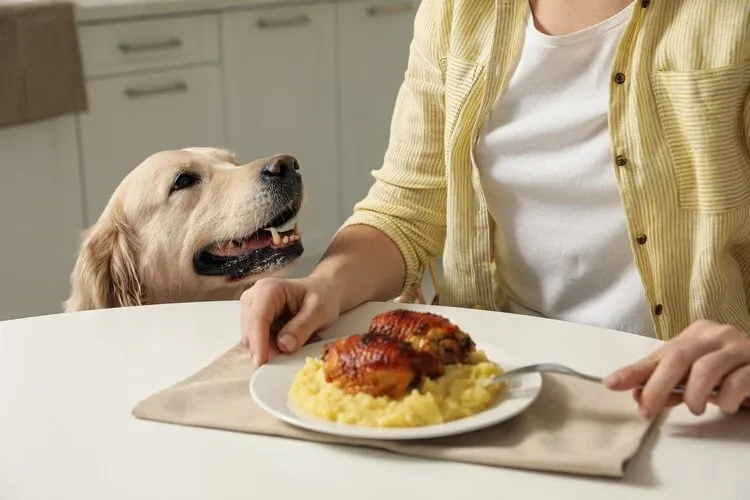
Did you know that your dog should not eat grapes, raisins, onions, garlic, xylitol, and certain health bars? While these foods seem fairly benign, in the wrong amounts they can be fatal to your dog.
Grapes and raisins can cause kidney failure, while onions and garlic may cause anemia if large amounts are ingested. Xylitol may actually cause life-threatening hypoglycemia, or low blood sugar. In the worst-case scenario, especially when a dog ingests baked goods that use xylitol, your dog may suffer acute end-of-life liver failure.
Always monitor what your dog receives, especially when around children and/or new people. For instance, if anyone in the house keeps food in their work or school bags, make sure these are locked up and stored where your dog cannot get to them.
4. Chocolate
Chocolate toxicity is very common. The guilty ingredient being the theobromine, or methylxanthine, found in chocolate products. A good rule of thumb is that the less sweet a chocolate product is, typically the more toxic it will be to your dog. Bakers chocolate and high-percentage cocoa dark chocolate are the worst for dogs when ingested. That means that they need to ingest only a small amount of chocolate to have any side effects.
Don’t be fooled by milk chocolate though! Large amounts of ingested milk chocolate, such as entire packages of Halloween candy, can be very toxic to your dog.
5. Plants

Indoor and garden plants and bouquets brought home from the store may pose a toxic threat to your dog. Some plants may just cause an upset stomach with vomiting and diarrhea. While other plants, such as the sago palm, are highly toxic and deadly.
If you’re not sure if the plant your dog just ate is toxic, you can start here. If you still aren’t certain, contact your local veterinary ER and/or call the ASPCA Poison Control immediately.
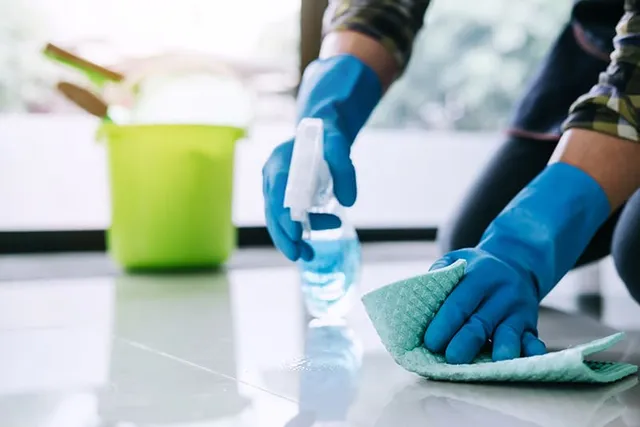
6. Household Products
Potentially toxic household products include but aren’t limited to bleach, undiluted disinfectant, Gorilla Glue, Super Glue, paint, and even beauty products. Always keep these products locked up and away from your pet.
If you suspect your dog may have ingested any amount of these products, save the label and all of the information you know about the product and contact a veterinarian and poison control immediately.
7. Rodenticide

Rodenticide products are very common across the country. Some people don’t even know that there is rodenticide present in and around their homes. If you move into a new apartment, always check underneath and behind all of your appliances, and ask your new landlord if they ever put products out by the garbage cans or in common areas.
Some cities will put out rodenticides in common alleyways or even around buildings. Regardless of the type of rodenticide, all of them can cause death to your dog. Some products will cause animals that ingest the product to bleed to death, others cause seizures, and some cause kidney failure.
Never ever put these products out in your house, even if you think your dog can’t get to them. These products are made to be extremely tasty and attractive to animals, which is why mice and rats will seek them out. Your dog will also think they smell, look, and taste delicious. Even a tiny amount may be deadly.
8. Veterinary Products
Even if your dog was prescribed a medication by a veterinarian, there is such thing as too much of a good thing. If your dog gets into an entire package of pain medications, antibiotics, sedatives, or even preventatives, it may cause toxicity to your dog.
As with anything discussed here, always know the exact product name, size, and how much your dog ate. Even if you have to guess at the amount ingested, you should try to always keep an inventory of what you have in the house. Therefore, if your dog gets into any of it, you have a rough idea of what you started with.
9. Insecticide

These products range from ant and roach traps to sprays and lawn treatments. If you use any of these products yourself, seek out pet-safe products. If you use a hired service to treat your house and/or property, ask them to use products safe for your dog.
Also, keep in mind that many products are considered safe once they are diluted down to the useable form. This means that if your dog ingests the product off the ground or lawn after it’s used, it may be safe. However, if your dog gets into a concentration that isn’t diluted, this can be much more toxic and potentially deadly.
In the insecticide category is also snail bait. This is very common in some areas of the country, and even a small amount can cause debilitating tremors, seizures, hyperthermia, and even death.
10. Garden Products
Fertilizers are often very attractive to dogs. Some products even have manure in them, which, oddly, many dogs love! As with the insecticides, always try to use pet-safe products, and keep your dog away from them—especially the concentrates.
Conclusion
Owning a dog can sometimes be scary and frustrating, especially when your dog eats things they shouldn’t! If you are aware of your surroundings, what your dog has access to, and what is in your house, you’ll reduce a lot of potential toxin exposures.
Always keep any medications, whether OTC, family prescription, or even veterinary prescriptions out of reach in locked cabinets. Any cleaning or household products should be locked and kept away as well. Always keep an eye on your dog when they are outside and/or on a walk, so you know if they ingested anything potentially toxic.
Your diligence and awareness as an owner may help save your dog’s life one day.
See also:
Featured Image Credit: AlexanderStein, Pixabay
Expert dog care, straight to your inbox
News, insights, expert advice, and everything dog.

No spam — unsubscribe anytime.
By signing up, you agree to our Terms & Conditions and Privacy & Cookies Policy.
How useful was this post?
Click a star to rate. You can leave written feedback afterwards. (We read all feedback.)
Dr. Kim Podlecki DVM (Veterinarian)
A graduate of The Ohio State University College of Veterinary Medicine, Dr. Podlecki has more than 12 years of experience working with small animals in the US. Dr. Podlecki worked almost exclusively in specialty medicine and emergency for more than a decade before transitioning to relief in both general practice and ER. Dr. Podlecki also owns her own consulting company (renewvetconsulting.com) with the focus of helping veterinary hospitals prioritize their staff to promote a healthier internal culture.