How Long Will It Take for a Dog to Digest a Bone? Vet-Verified Facts & Risks


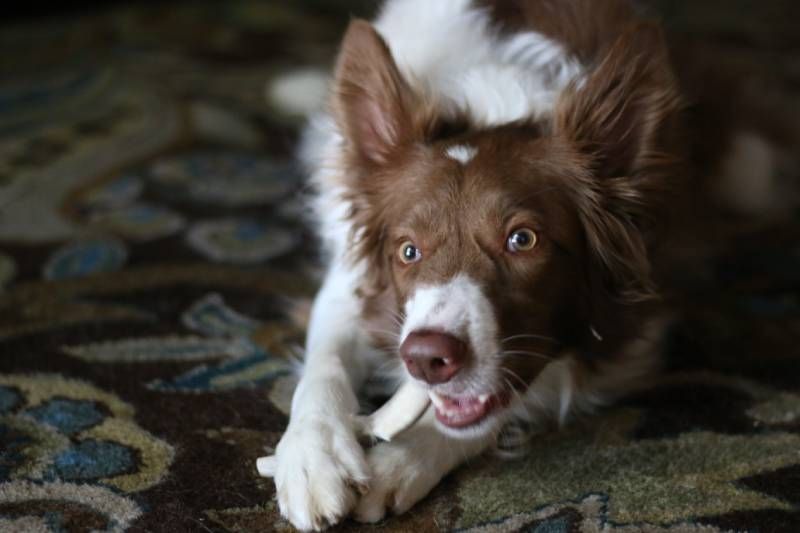
Dogs and bones seem like a match made in heaven, but should you be worried if your dog swallows a bone? And can dogs digest a bone if they do eat one? The answer is pretty complicated. Dogs can digest certain bones depending on factors like the type of bone, whether it’s cooked or raw, and its size. It’s impossible to determine an exact digestion time as too many variables are involved. In fact, the majority of bones cannot be dissolved in a dog’s digestive system, posing significant health risks.
In this article

How Bone Digestion Works in Dogs

Dogs share a common ancestor with wolves, and in the wild, their ancestors needed to get as much nutrition as possible from their meals. They might have eaten smaller bones whole and chewed bigger bones open to get anything they could out of it. Today, giving bones to dogs as treats is generally not recommended as there are safer options for your pup to chew on.
If your dog swallows a bone, it may get lodged in their mouth, esophagus, or any other part of their digestive tract. Bone foreign bodies are common in dogs. The dissolution of the bone will depend on the type of bone, whether it’s cooked or raw, and the size of it. If the bone or bone fragment reaches the stomach without causing any problems on their way, it may get dissolved or continue transitioning until it’s defecated. If you’re worried about your dog eating a bone they shouldn’t have, it’s safest to contact your veterinarian for advice, they may recommend a vet visit or monitor your dog for several days.
Dog Bone Dangers
When your dog chews on a bone, choking is the first danger you need to worry about. You should always supervise your dog if you decide to feed them bones or if they accidentally get ahold of one.
A second, more alarming danger is damage to your dog’s esophagus, stomach, or intestines. This is especially risky with cooked bones and hollow bird bones, as they are more likely to splinter into sharp pieces. Cooked chicken bones are among the most dangerous. Bones that become lodged in the esophagus always require urgent removal, whereas bones lodged in the stomach may or may not need removal, as they can sometimes dissolve. Your veterinarian will determine the best treatment plan for your dog.

Signs You Should Call a Vet
While bones may seem harmless, they can actually pose serious risks to your dog’s health. On many occasions, your dog might eat a bone without any immediate issues, but if a bone splinters in the esophagus or in the stomach, the consequences can be severe. You should contact a veterinarian if your dog shows signs of unusual lethargy or bloating. Bloody stool or vomit may indicate a cut in the digestive tract, and dark, tarry stool or vomit resembling coffee grounds could be a sign of partially digested blood. If your dog develops a blockage or an internal injury from a bone, surgery may be required to remove bone fragments and repair the damage.
Last Thoughts
Although dogs have historically been associated with bones, we now know that ingesting bones can pose significant risks that should not be overlooked. Many dog owners report that letting their dog chew on a bone isn’t a big deal, but lacerations, perforations, and obstructions are more common than most people realize. It’s essential to closely monitor dogs if they have access to bones in case something goes wrong. Noticing the signs of choking, obstructions, or internal damage could save your dog’s life.
See Also:
Sources
Featured Photo Credit: Sebastian Quinn, Shutterstock
Expert dog care, straight to your inbox
News, insights, expert advice, and everything dog.

No spam — unsubscribe anytime.
By signing up, you agree to our Terms & Conditions and Privacy & Cookies Policy.
How useful was this post?
Click a star to rate. You can leave written feedback afterwards. (We read all feedback.)
Chelsea Flake Mortensen is a writer with a passion for pets . She grew up around everything from cats to chameleons and loves working with all kinds of animals. Chelsea has a BA in English and Creative Writing from Brigham Young University.
Chelsea loves reading, writing, sewing, and board games. She's lived in half a dozen US states and two countries. She is currently living in New England with her husband. Her articles have been featured in various magazines and literary journals for children and adults. Her writing has been translated into over 40 languages.