5 Best Sources of Iron for Dogs (& How Much They Need Daily)


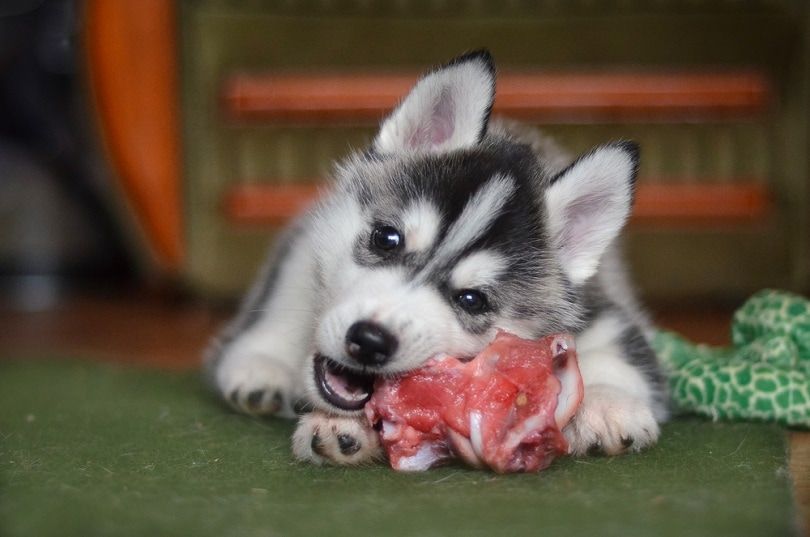
Many lifeforms need iron to survive, from wild animals like giant blue whales and African lions to domesticated pets like dogs and cats. Iron has many important qualities, so it’s abundant in different sources of food. Most commercial dog food covers iron as one of the dietary requirements, but not all dog recipes are alike. Dogs also have unique diet requirements, so it is important that your dog gets enough iron. Here are five great sources of iron that you can give to your dog:

The 5 Best Sources of Iron for Dogs
1. Canned Sardines

Source: Fish
Serving Size for Dogs: Toy-Miniature: 2 or less; Small dogs: 3–5 per week; Medium dogs: 6–8 per week; Large Dogs: 8–12 per week. Consult with a veterinarian first before feeding your dog sardines.
Sardines are rich in iron, protein, and essential fatty acids, providing multiple nutritional benefits to your dog. They are on the low end of mercury content and available nearly everywhere, making them an easy and low-cost way to boost your dog’s iron intake. If you don’t mind the smell, sardines are the perfect addition to your dog’s diet. It’s important to note that they are a fat-rich type of food and may not be the best option for your dog.
2. Beef Liver

Source: Organ
Serving Size for Dogs: No more than 5% of your dog’s diet. Best served as a treat or on a weekly basis. Consult with your veterinarian about feeding liver, especially if your dog has food-triggered health conditions. Never cook liver with onions or spices, which are toxic to dogs.
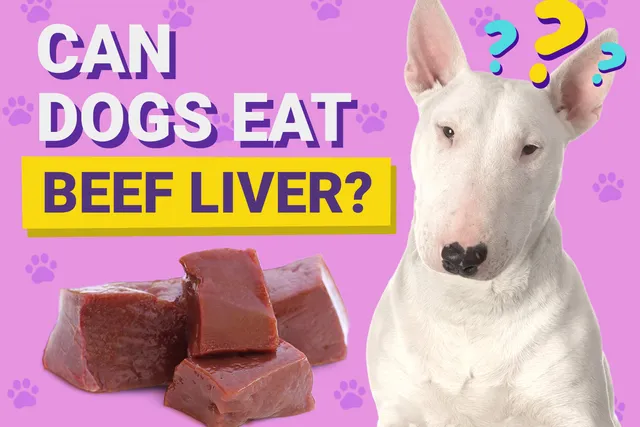
One of the best sources of iron, protein, and several other nutrients is beef liver, giving your dog the ultimate nutrition boost. Many dog treats contain liver since it’s so nutrient-dense, but you can also opt to feed fresh liver as well. It’s a great alternative to fish-based iron sources, which can cause your dog’s breath to stink like fish. However, too much liver can cause hypervitaminosis A since liver is very rich in vitamin A. Take heed when feeding more than 5% of your dog’s diet with liver to help prevent this from happening.
3. Egg Yolk

Source: Poultry By-Product, Non-Meat
Serving Size for Dogs: No more than 1 egg yolk a day for large dogs, ½ yolk for medium dogs, and ¼ yolk for small dogs. Consult with your veterinarian to make sure it is a good option as an iron source.
The yolk of a large egg contains a lot of important vitamins and minerals, including iron, protein, and essential fatty acids. Many carnivorous and omnivorous animals like foxes eat eggs, so it’s no surprise that dogs enjoy them as well. Eggs are naturally high in fats that contain fatty acids, but they can also add too much fat to your dog’s diet. As long as you monitor your dog’s fat intake, egg yolk can be a great way to supplement your dog.
4. NaturVet Kelp Help Plus Omegas Supplement

NaturVet Kelp Help (1 Tablespoon):
There is a wide range of supplements that can help fight nutrient deficiencies, such as kelp powder. NaturVet Kelp Help is a kelp powder supplement fortified with other essential nutrients, giving your dog a wide range of potential health benefits. It’s a non-meat source of iron, essential fatty acids, and calcium, which are usually more difficult to obtain with plant-based sources. We highly suggest consulting with your dog’s vet before feeding any supplement, especially if it’s got high doses of iron or vitamin A.
5. Red Meat

Source: Meat
Serving Size for Dogs: For supplementing iron, start with small amounts daily. For small dogs, no more than a couple of ½ inch cubes per day. For larger dogs, 4 to 5 cubes per day. Before feeding your dog beef, make sure your dog doesn’t have any food allergies or health conditions triggered by beef protein.
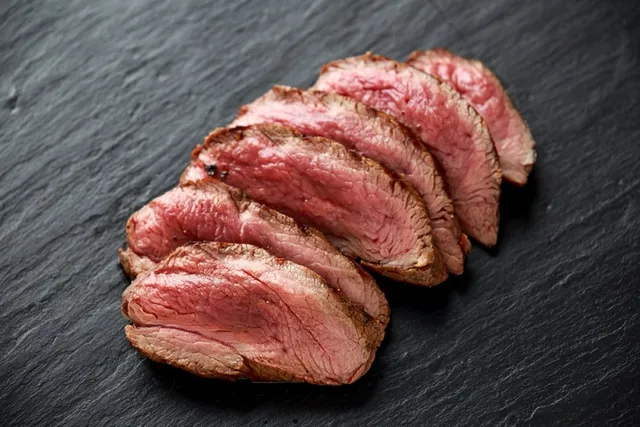
When in doubt, turn to red meat for a boost of iron in your dog’s diet. While a lot of commercial dog food relies on chicken and poultry for lean protein sources, some recipes contain red meats like beef or bison. It’s one of the easiest ways to increase your dog’s iron intake, but it’s not suitable for all dogs. However, beef is high in fat, so it’s important to monitor how much fat your dog gets daily.

Iron: Why Is It Important for Dogs?
Iron is important for a balanced diet, an essential nutrient that your dog needs to survive and be healthy. Iron is necessary for the production of red blood cells, so it is a crucial part of the circulatory system. Red blood cells spread oxygen throughout all parts of the body from the lungs. Iron is also an important component of several enzymatic functions. Dogs with lower-than-normal iron levels will start to exhibit symptoms that may look like other conditions, so schedule an appointment with your vet if you think your dog has a nutritional deficiency of any kind.
How Much Iron Does My Dog Need?
An adult dog needs to eat a certain amount of iron to function properly, which is based on its weight. Small dogs need less iron than larger dogs, so you'll have to figure out how much iron your dog needs daily. An adult dog needs around 2–2.5 mg of iron per 10 pounds or 0.5 mg per kg of body weight. While iron deficiency can be life-threatening, keep in mind that too much iron in the blood can lead to iron poisoning.

Signs of Anemia
Anemia in dogs is usually a red flag for other conditions, though iron deficiencies through poor nutrition can also happen. If you see any signs that resemble anemic behavior, call your vet right away, as it could indicate a bigger health issue.
Here are the most common signs of anemia in dogs:

Conclusion
Iron is an important nutritional component for dogs. If your vet thinks your dog needs an iron boost, we hope these five options will be suitable. Anemia can be a dangerous condition for your dog to be in so be aware of the signs and speak to your vet about getting some additional iron in their diet.
See Also:
Featured Image Credit: Hyper-Set, Shutterstock
Expert dog care, straight to your inbox
News, insights, expert advice, and everything dog.

No spam — unsubscribe anytime.
By signing up, you agree to our Terms & Conditions and Privacy & Cookies Policy.
How useful was this post?
Click a star to rate. You can leave written feedback afterwards. (We read all feedback.)
Nicole has loved animals of all sizes her whole life so it's no wonder she has dedicated her career to helping them through what she loves best: learning, writing, and sharing knowledge with others. She’s the proud mom of two dogs, a cat, and a human. With a degree in Education and 15+ years of writing experience, Nicole wants to help pet parents and pets around the planet to live happy, safe, and healthy lives.