Essential and Non-Essential Amino Acids for Dogs: Vet-Verified Facts & FAQ


In this article
Amino acids are the building blocks of protein and, therefore, necessary for the synthesis of muscle and tissue. They also play a pivotal role in other metabolic processes in the cells. In nature, we can find 22 different types of amino acids in proteins. When considering nutrition, we divide these amino acids into two groups, “essential” and “non-essential,” depending on which amino acids a species can synthesize (produce) versus the ones they need to consume in their diet.
For dogs, there are 12 non-essential amino acids. These non-essential amino acids are produced by your dog’s body and are thus not required in your dog’s diet. The 10 remaining amino acids are essential because they cannot be manufactured by your dog’s body and are thus obtained only from their diet.
Most dog owners usually focus on protein when deciding which food to give their dogs, and for good reason, as protein is essential in the balanced diet of a dog. Most commercial adult dog foods should contain at least 18% protein to guarantee the AFCCO minimum requirements, which are usually indicated on the packaging. However, this does not tell you whether the required amino acids are present in the protein. This is important because not every protein contains the essential amino acids required by your dog’s body.
In this article, we look at the ten amino acids that are essential to your dog’s health and how you can make sure they get them.

Top 10 Essential and Non-Essential Amino Acids for Dogs
Non-essential amino acids are defined as amino acids that can be produced endogenously from available nitrogen and carbon sources within your dog’s body, and thus, your dog does not need to consume them in their diet.
The following, however, are the amino acids that your dog cannot synthesize but are vital to your dog’s health and that they must get from their diet.
1. Arginine
Arginine is a vital part of a dog’s metabolism. It plays an important role in the urea cycle, preventing the accumulation of toxic ammonia in the body by converting it into urea and excreting it in urine.
Arginine also plays a role in the immune function and inflammation reduction. As a nitric oxide precursor, it is also important in regulating blood flow.
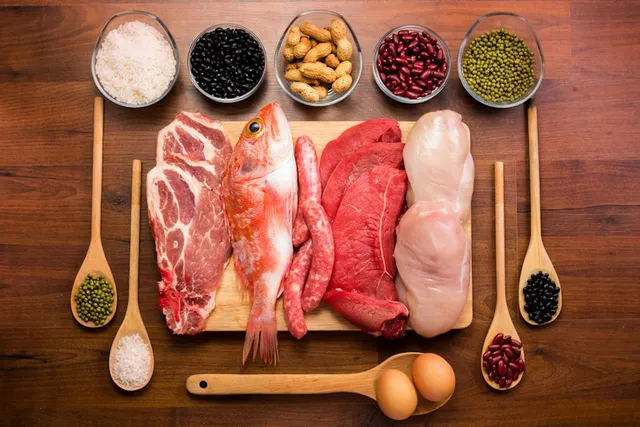
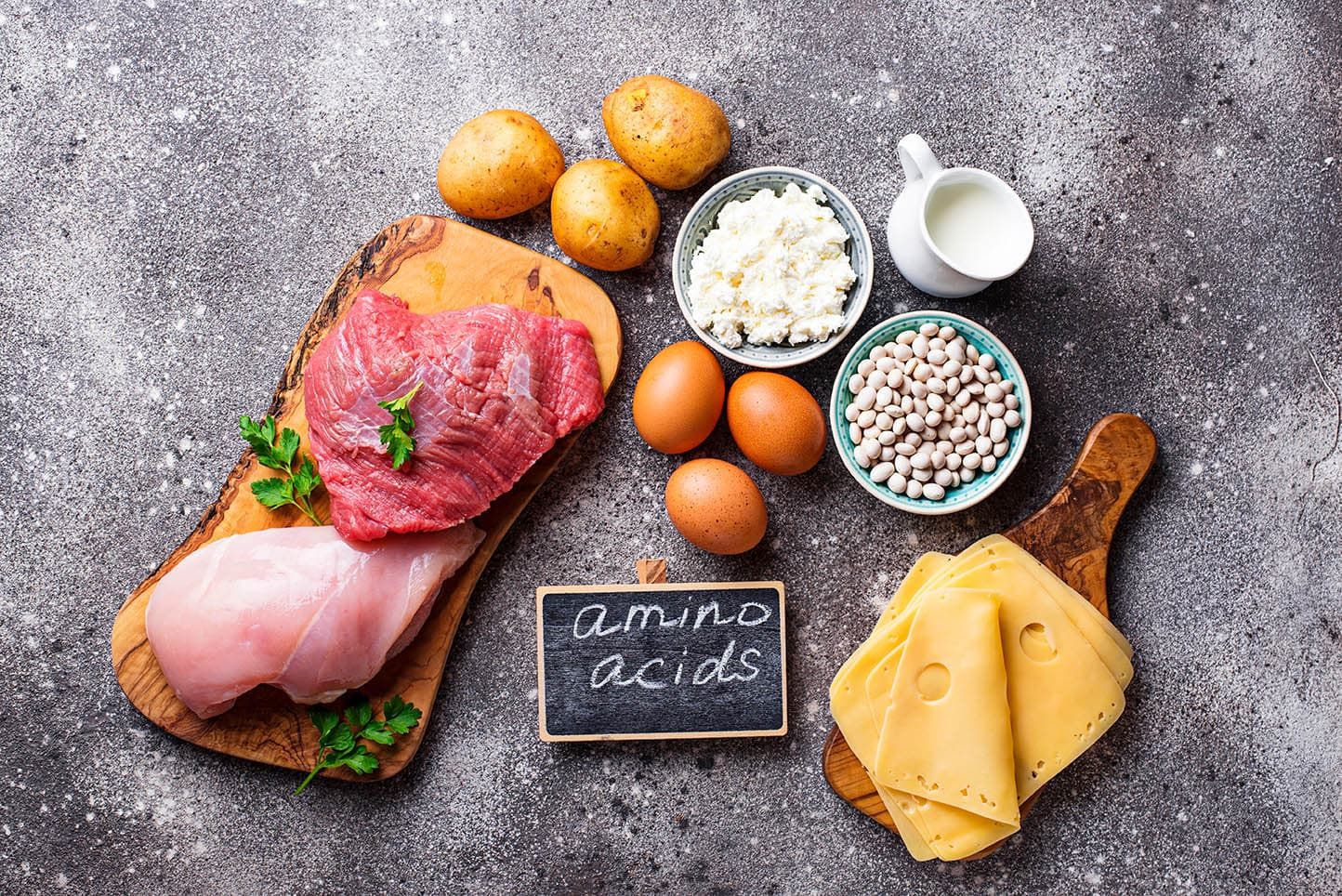
It stimulates the release of hormones such as insulin and gastrin. Arginine is found in sufficient amounts in most animal sources and plant proteins, like legumes and grains.
2. Histidine
Histidine plays an important role in oxygen exchange in your dog’s lungs and other tissues and can also play a large role in immune function. A deficiency of histidine can cause weight loss, lethargy, and decreased appetite. It is found in sufficient amounts in most plant and animal proteins, including muscle meat and eggs.

3 – 5. Isoleucine, Leucine, and Valine
The branched-chain amino acids isoleucine, leucine, and valine are all influential in protein synthesis and essential to muscle deposition. Dogs that are deficient in these branched-chain amino acids will swiftly lose their appetite and experience weight loss, which may even result in liver disease.
6. Lysine
Lysine plays an important role in energy metabolism, DNA replication, and regulating cellular metabolism. Sufficient amounts of this amino acid are found in most animal proteins, including eggs and dairy, and less so in grains and legumes.

7. Methionine
Methionine, along with cysteine, are sulfur-containing amino acids. Note that both of these amino acids are essential for dogs to synthesize Taurine. These amino acids are necessary for your dog’s normal growth and help regulate several cellular replication processes. Deficiency in these amino acids can result in weight loss, decreased appetite, and possible dermatitis.
8. Phenylalanine
This amino acid is essential to the normal growth of muscle tissue and hormone regulation, and it is converted into tyrosine in your dog’s body. It is also the precursor to melanin in your dog’s hair, and twice the amount is required in dogs with black coats. Deficiency can result in a reddening of your dog’s coat, weight loss, and decreased appetite.

9. Threonine
Threonine is a necessary amino acid for the many important enzymatic processes in dogs and helps control normal physiological functions, like insulin release. It also modulates and balances neurotransmitters in the dog’s brain. A deficiency in this amino acid can result in weight loss and decreased appetite. It is found in sufficient amounts in animal proteins, as well as legumes and grains.
10. Tryptophan
Tryptophan is required for normal growth in dogs and is the precursor to niacin, serotonin (a neurotransmitter), and melatonin (a hormone). It also has calming effects on your dog and may even cause a lessening of aggressive and overly excitable behavior when used in supplements.
Can Dogs Eat Too Much Protein (or Too Little)?

Now that you know all the essential amino acids that your dog requires in their diet, some of which are only abundant in animal proteins, can they have too much of a good thing? Dogs are facultative carnivores, and they require good-quality protein in their diet. However, their diets need to be complete and balanced.
Dogs can only use a certain percentage of the protein they ingest. The rest must be broken down for energy and stored as fat, and the protein by-products are excreted from the dog’s body in the urine or feces. However, a high-protein diet does not equal a high-quality protein diet; its digestibility and amino acid composition play a very important role. A high-protein diet that lacks an essential amino acid will result in a sick dog.
Too little protein in your dog’s diet can also cause serious health problems, depending on how low you go. The health effects can range from dry and coarse coats, low energy, and skin issues to more serious conditions, like compromised bone and muscle development. Anything under 20% is considered a low-protein diet.
Sick dogs with issues such as kidney or liver problems might benefit from a low-protein diet, but healthy dogs generally require a complete and balanced diet based on high-quality protein sources.
Plant vs Animal Protein Sources

All essential amino acids can be found in plants, like grains and legumes, but are these adequate replacements for animal-based proteins? In short, no, because plant-based proteins have very limited amounts of certain essential amino acids. For example, a protein plant-based diet will be limited in sulfur-containing amino acids required by the dog’s body to synthesize Taurine, which might result in dogs suffering from dilated cardiomyopathy or other diseases due to nutritional deficiencies.
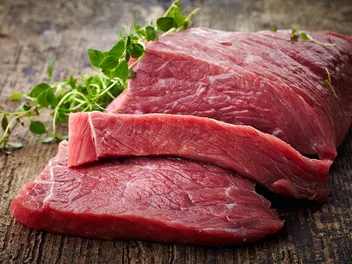
Animal-sourced proteins are considered “complete” proteins. They provide all of the essential amino acids to your dog and are highly digestible, making them sources of bioavailable amino acids that your dog’s body can use to synthesize muscle tissue, enzymes, and hormones to support their body and metabolism as the proteins are then deaminated for energy and storage as fat or glycogen. The remaining by-products are then excreted in urine and feces.
But this does not mean plant-based proteins do not have their place, and they are important in your pooch’s diet. However, it is important to remember that total protein content is just a piece of the puzzle. When it comes to protein, its amino acid composition, quality, and digestibility are what make or break a good diet for your dog.
Final Thoughts
While most of the essential amino acids that your dog needs will not be listed on the ingredients list of their food, if your dog is eating a well-balanced diet with plenty of animal proteins, you can usually be sure they are getting all the amino acids that they require.
Simply judging your dog’s food by protein content alone can be misleading because this includes plant protein, too. The right amount of quality animal protein will usually ensure that your pooch is getting the essential amino acids they require.
Good-quality dog food will usually have an Association of American Feed Control Officials endorsement on the label, ensuring that the food has at least the minimal amounts of nutrients for a dog and the complete requirement of essential amino acids.
This label statement, along with an ingredient list based on animal proteins, will ensure that your dog is getting all the essential amino acids that they require for a happy and healthy life.
Featured Image Credit: Yulia Furman, Shutterstock
Expert dog care, straight to your inbox
Vet-reviewed advice, training tips, and the best of Dogster. Free, and you can unsubscribe anytime.
By signing up, you agree to our Terms & Conditions and Privacy & Cookies Policy.
Nicole has loved animals of all sizes her whole life so it's no wonder she has dedicated her career to helping them through what she loves best: learning, writing, and sharing knowledge with others. She’s the proud mom of two dogs, a cat, and a human. With a degree in Education and 15+ years of writing experience, Nicole wants to help pet parents and pets around the planet to live happy, safe, and healthy lives.
Join the conversation
Ask a question, share your story, or send private feedback.