Dog Hair vs. Fur: Vet-Verified Differences & How to Treat Them


In this article
We use the terms “hair” and “fur” interchangeably when it comes to our pets. Nevertheless, it is one of the defining characteristics of mammals, as opposed to fish and reptiles that lack it. Being a part of our class means all species have hair or fur at some point in their lives. Dogs retain it for their entire lifespans, and various breeds have both. However, whether it’s technically described as one or the other depends on its growth pattern.
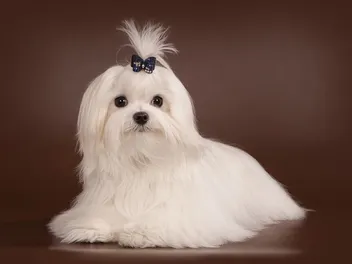
Fur has a genetically predetermined length, it grows to a certain length and then stops. Hair, on the other hand, continues to grow—think of Afghan Hounds or Maltese. You may see an Alaskan Malamute with a thick coat but not a long one. Despite the wide variability of canine coat lengths and types, research has uncovered only three genes responsible for these differences.

Dog Hair vs. Fur
When we refer to dogs as having short, medium, or long coats, we are describing this predetermined length that distinguishes hair and fur. Pups with short and medium coats are typically a part of the latter’s camp, having a predetermined hair length—think of Labrador Retrievers and Beagles. Canines with long coats often have silky, wavy, or curly hair you must groom to keep your pet mat-free, and there is often an undetermined length.
Undercoats vs. Outercoats
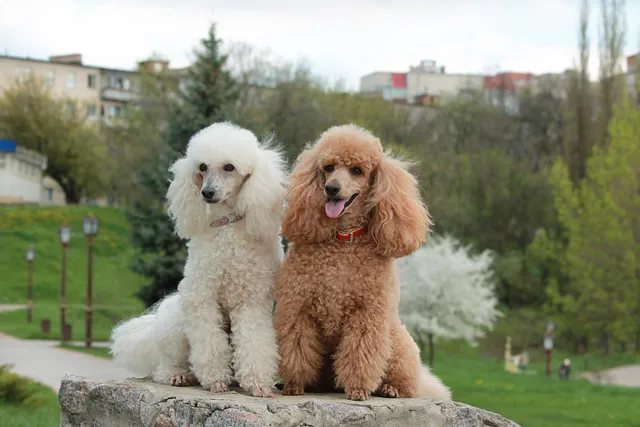
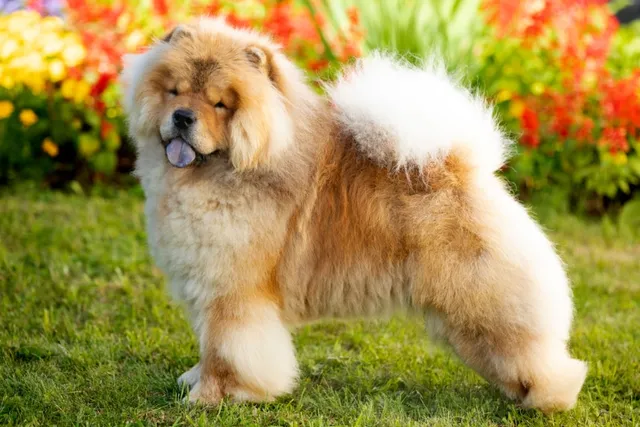
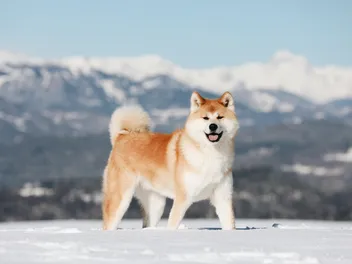
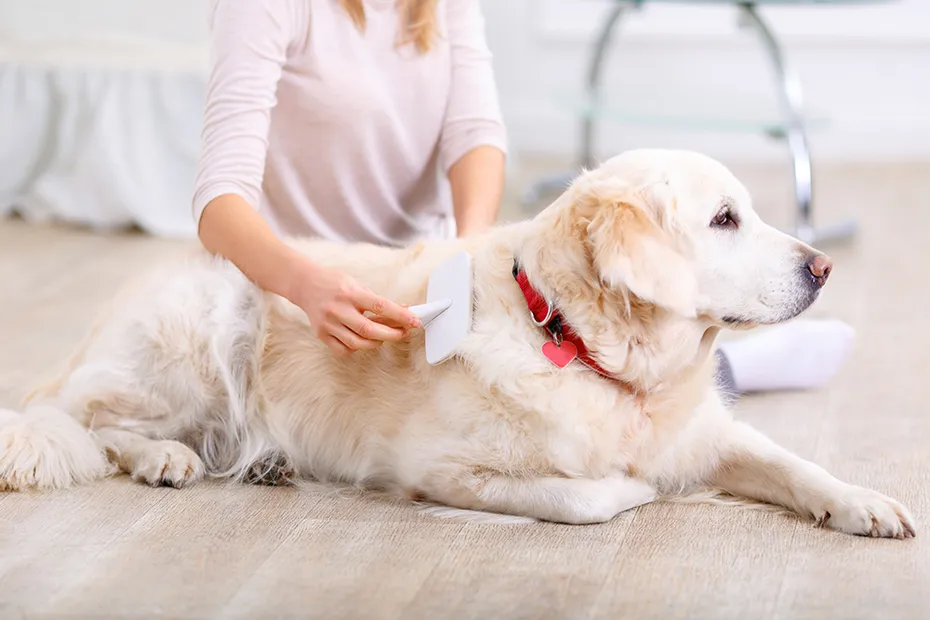
The other variation you’ll see in dog coats lies in the number they have. Some breeds, such as the Samoyed, are double-coated and have a wooly undercoat that provides extra warmth for the animal during the winter. These pups usually shed twice yearly, blowing out their undercoat. These breeds with fur typically shed, whereas some with hair, like Poodles, do not.
You may see the dog’s outercoat called primary or guard hairs. They're structurally different from the undercoat. That comes into play with grooming. The difference between hair and fur presents another issue. You can cut hair and it will grow back; meanwhile, you shouldn’t shave a pup with fur thinking it will make your pooch more comfortable, as it may not come back as you expect.
The outercoat hairs have three layers that are fully formed: the cuticle, cortex, and medulla. However, the undercoat may only have the cortex and cuticle. The hairs of the outercoat are stronger and longer than those of the undercoat, and the weaker undercoat hairs grow in and fall out many times per year. These guard hairs grow very slowly, with periods where they don’t grow at all.
The Purpose of Hair and Fur
Hair and fur serve various purposes for dogs and other mammals. It provides protection, whether against the cold or the sun. That’s another reason not to shave a dog with fur. Hair is integral to the animal’s appearance and health. It communicates much information to cohorts and other species, similar to how a skunk’s distinctive coloration may protect it by warding off potential predators.
Hair also provides camouflage. Zebra stripes can confuse a predator and make it challenging to home in on their prey. Likewise, a rabbit’s fur can conceal the animal from predators, especially when combined with behavior to remain still until the danger has passed. Finally, specialized hairs, like whiskers, serve sensory or other vital functions. The point is that fur and hair serve very specific purposes that are crucial to the health and survival of your pet.
Grooming Hair vs. Fur
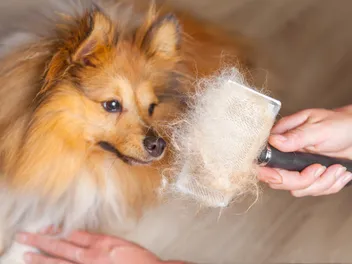
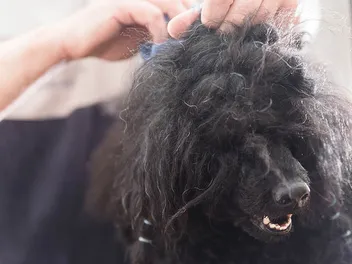
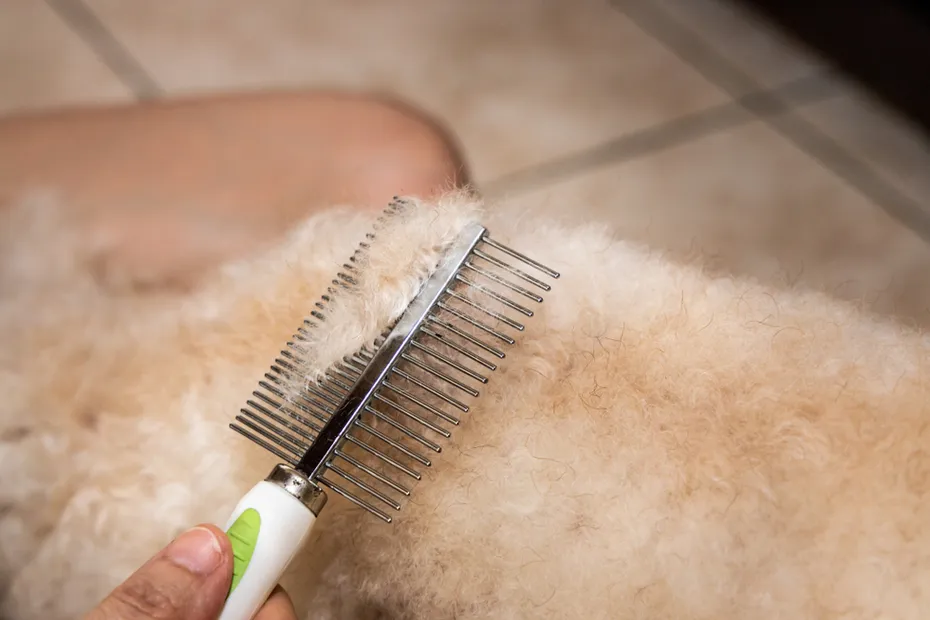
To put it simply, dogs with hair require more frequent grooming sessions. For example, Poodles will often need monthly or bi-montly grooming services to prevent matting and keep the hair trimmed to an appropriate length. Meanwhile, dog fur is usually fine with a couple of brushing sessions a week at home. Dogs with hair tend to shed less due to the longer hair-growing cycle, but matting is a bigger issue. Keeping this under control is crucial to your dog’s well-being, meaning you’ll have to brush them out at home more frequently than you would a dog with fur.
The Hypoallergenic Myth
We can’t talk about hair or fur without discussing allergies. Up to 20% of the global population have allergies to pets, and many blame a dog’s coat. The fact remains that the type or length of it isn’t the issue. It rests with a protein from the animal’s urine, saliva, and dead skin cells or dander. These triggers or allergens are found virtually everywhere.
Despite claims to the contrary, unfortunately research has shown that “hypoallergenic” dog breeds don’t exist as all dogs produce allergens. Some dogs may cause less severe reactions because of their varying genetics, and low shedding breeds can sometimes be more gentle on allergy sufferers because of the lower amount of hair and dander they leave around the home.
Although no dog is completely hypoallergenic, regular bathing can help reduce the amount of dander and other allergens in their fur and the air. We highly recommend Hepper's Oatmeal Pet Shampoo for this job!

- Only Natural Pet Shampoo - Our vegan, plant-based formulation is made with safe and natural pH-balanced ingredients to moisturize and soothe skin, leaving a fresh, soft and glossy coat to turn heads
- No Soap - A cat and dog wash free from soaps, glutens, dyes, DEA, sulfates and phthalates means it's a hypoallergenic dog shampoo for itchy skin / cat shampoo for itchy skin made with only good stuff
- Colloidal Oatmeal - Formula soothes and nourishes dry, irritated skin, providing itchy skin relief for dogs and cats alike. Trust us - they'll thank you with lots of licks!
At Dogster, we've admired Hepper for many years, and decided to take a controlling ownership interest so that we could benefit from the outstanding designs of this cool pet company!

Final Thoughts
While we use both terms, they have specific meanings when discussing canine coats. The primary difference is their growth. Hair is like ours and will continue to grow to no predetermined length. Fur has limited growth as determined by genetics. The common denominator with both is that dogs, regardless of hair type, require regular grooming for their well-being, although dog hair generally requires more upkeep than dog fur. Related reads:
Sources
Featured Image by: Jus_Ol, Shutterstock
Expert dog care, straight to your inbox
News, insights, expert advice, and everything dog.

No spam — unsubscribe anytime.
By signing up, you agree to our Terms & Conditions and Privacy & Cookies Policy.
How useful was this post?
Click a star to rate. You can leave written feedback afterwards. (We read all feedback.)
Since 2009, Chris has written on a variety of topics. Her motto with all of her writing is “science-based writing nurtured by education and critical thinking.” She specializes in scientific topics, with a special love for health and environmental topics, and of course, pets of all shapes and sizes.
Chris lives happily with her husband and three cats in the land of 10,000 lakes, writing, wining, and boating as much as she can. She and her husband, Norm, were awarded the State of Kentucky Colonel Honor for their restoration work at Mammoth Cave National Park.