Itchy, irritated skin, a musty odor, head shaking, and a brown discharge from the ears — these are some of the common signs of a yeast infection in dogs. Read on to find out more about this condition, including its causes, clinical signs, and treatment.

What Is a Yeast Infection?
Yeast infection, or Malassezia dermatitis, is a common fungal infection caused by an overgrowth of Malassezia yeast on the skin or in the ears of dogs. This normally harmless yeast is usually present on a dog’s skin in small amounts, however several predisposing factors can cause it to multiply excessively, resulting in an infection.

What Are the Signs of a Yeast Infection in Dogs?
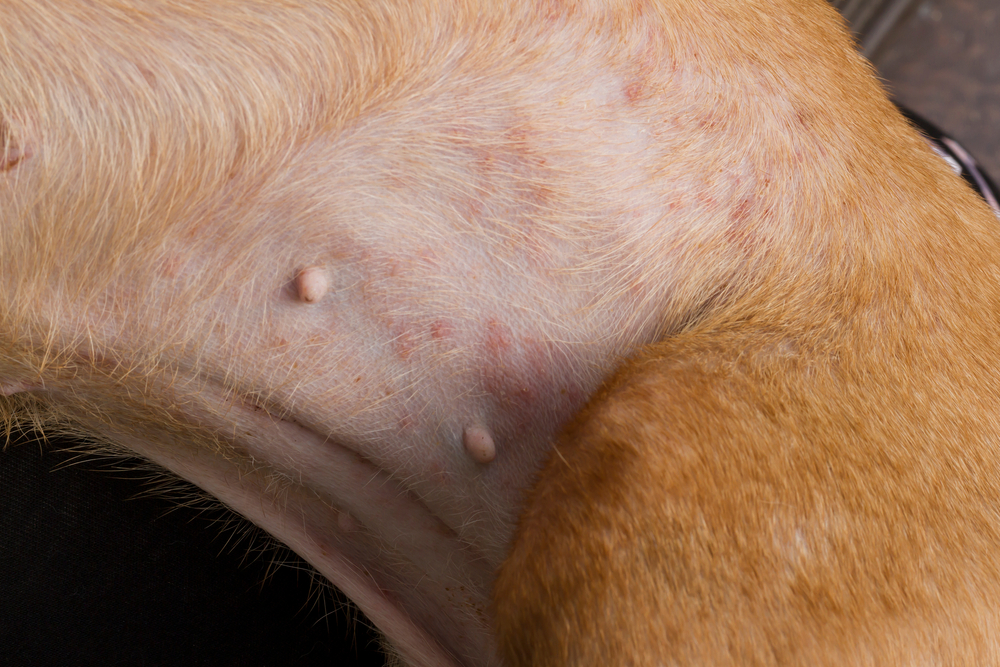
- Red, irritated, or itchy skin
- A musty odor
- Greasy or scaly skin
- Excessive licking, scratching, or chewing of affected areas
- Hair loss
- Skin thickening and/or darkened skin in chronic cases
- Dark brown nail beds
- Ear infections, which may result in head shaking, ear scratching, or brown discharge
If you are concerned about the health and well-being of your pet, we recommend getting in touch with a vet for guidance.
If you need to speak with a vet but can't get to one, head over to PangoVet. It's our online service where you can talk to a vet online and get the advice you need for your pet — all at an affordable price!

What Are the Causes of Yeast Infections In Dogs?
Yeast infection in dogs is caused by an overgrowth of the yeast Malassezia pachydermatis. Malassezia are budding spore-like forms of fungi that normally live on a dog’s skin without causing illness; it’s only when there is an overgrowth of yeast that infection occurs.
- Endocrine disease: Endocrine diseases such as Cushing’s disease (hyperadrenocorticism) and hypothyroidism predispose a dog to developing yeast infections.
- Environmental and food allergies: Allergies cause changes in the protective skin barrier, making dogs more prone to yeast infections
- Flea bite hypersensitivity: Flea bite hypersensitivity (or flea allergy dermatitis) is an allergic reaction to flea saliva injected by the bites of fleas. Due to inflammation, secondary skin infections with yeast can occur.
- Anatomical defects: Excessive skin folds and narrow ear canals trap moisture and heat which can lead to an overgrowth of yeast.
- Excess skin oils: A common cause of a yeast skin infection is an increase in the amount of oils produced on the skin. This is associated with conditions such as seborrhea and allergic skin disease.
- Immune deficiency: Dogs with compromised immune systems due to illness or treatment with certain medications (e.g. corticosteroids), are more susceptible to yeast overgrowth
- Allergy to Malassezia yeast: Some dogs are allergic to Malassezia yeast and the presence of even minor quantities of yeast on the body will cause significant irritation.
- Wet, humid environments: Dogs that swim a lot and get water trapped in their ears or those living in warm, humid climates are prone to yeast infections. Yeast thrive in warm, wet conditions.
Diagnosing Yeast Infections in Dogs
After taking your dog’s history, performing a clinical exam, and noting the clinical signs that your pup is showing, your veterinarian will look for the presence of Malassezia yeast by doing the following:
Skin Cytology
Samples are collected from affected areas by swabbing, scraping, or using clear tape to lift cells from the skin. The collected samples are stained and examined under a microscope to look for yeast organisms. Malassezia yeasts have a characteristic peanut shape and appear purple/ blue due to the stain. Most samples can be examined in-clinic by a veterinarian.
Ear Cytology
Yeast infections of the outer ear canals (otitis externa) are diagnosed using a cotton swab of the discharge rolled onto a microscope slide. The slides are stained and examined under the microscope.
Your veterinarian will also want to identify factors that predisposed your dog to developing a yeast infection in the first place. This may involve blood tests to identify endocrine diseases, or allergy testing if an allergy is suspected.

How Do I Care for a Dog With a Yeast Infection?
If you suspect that your dog has a yeast infection, you’ll need to have them examined by a vet. The vet can determine if the infection is indeed due to yeast overgrowth and if it is, recommend appropriate treatment. The clinical signs of a host of other skin conditions can look similar to those of Malassezia dermatitis but they are treated differently. Once your veterinarian has confirmed a yeast infection, treatment can begin.
The treatment for Malassezia dermatitis may be systemic, topical, or a combination of both. Any underlying conditions that predisposed the dog to developing a yeast infection in the first place will need to be addressed as well.
Topical treatment
Topical treatment with medicated antifungal shampoos, containing ingredients such as miconazole, ketoconazole, and chlorhexidine, form an important part of the treatment for Malassezia dermatitis. These shampoos help reduce yeast levels on the skin to a normal level. The shampoo needs to remain in contact with the skin for 10 minutes to be effective. Regular bathing, often twice a week, is usually required.
Small, localized patches of infection, like facial folds or tail folds, may be treated with antifungal creams and ointments. Malassezia infections of the outer ear canals (otitis externa) are treated with a combination of ear flushes and medicated antifungal ear drops.
Systemic treatment
In cases of severe or chronic infection, oral antifungal drugs like ketoconazole, itraconazole, or fluconazole may be prescribed by a veterinarian. Systemic antifungals are usually used in combination with topical treatment.
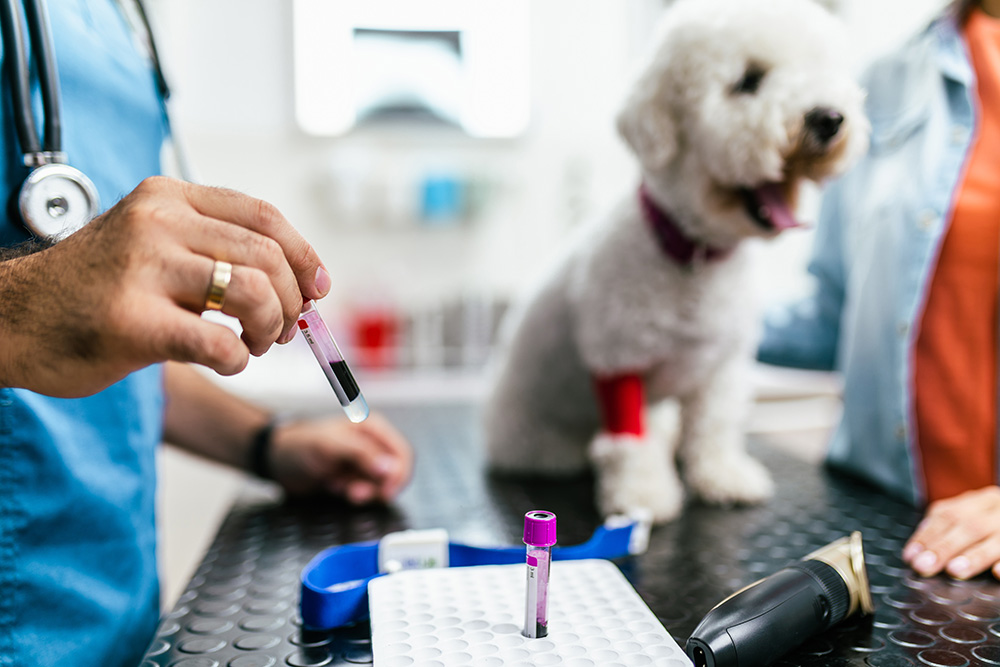
Because oral antifungals have side effects, particularly involving the liver, it’s important that before and during treatment, a dog’s liver function is monitored with blood tests.
Other Medications
Frequently, dogs with Malassezia dermatitis also have a bacterial skin infection and will require treatment with antibiotics. Your veterinarian may also prescribe other medications such as corticosteroids, Apoquel, or Cytopoint to help relieve the itch caused by the yeast infection.
Keep Your Dog Dry
Moisture can exacerbate yeast infections. Make sure to keep your dog’s skin dry, especially after baths or swimming. Pay extra attention to drying the areas between the toes, in skin folds, and around the ears.
Addressing Underlying Conditions
Any underlying conditions that predisposed the dog to developing Malassezia dermatitis need to be identified and treated. Identifying and treating these underlying conditions is essential for resolving chronic yeast infections. For example, a dog with hypothyroidism will require treatment with thyroid replacement hormone, while dogs with allergies may require a diet change, hyposensitization therapy, or medications like Cytopoint or Apoquel.
Diet Trials in the Case of Food Allergies
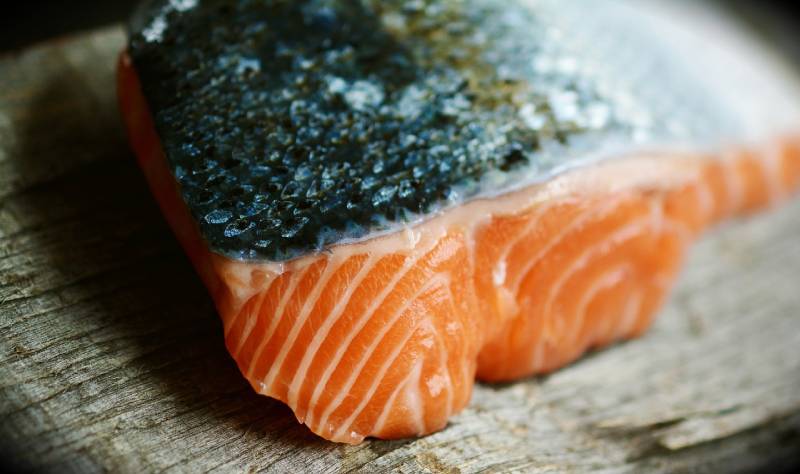
If your vet suspects the cause of the yeast overgrowth is a food allergy, such as one towards chicken, dairy, or beef, or they have performed allergy testing on your pooch, they may recommend a diet trial. This could be either a food trial with a novel protein, meaning one your dog has never eaten before, such as fish, rabbit, or kangaroo, or a hydrolyzed protein diet. In the latter case, the food is manufactured so that the protein molecules are broken down into such small particles that the immune system doesn’t yield a response against them, reducing the signs of allergies. Speak to your vet about allergies and whether a food trial may benefit your dog, along with other treatment and management options.

Frequently Asked Questions (FAQ)
Can my dog catch a yeast infection from another dog?
No, Malassezia dermatitis is not contagious. Your dog cannot catch a yeast infection from another dog.
Are certain breeds of dogs prone to yeast infections?
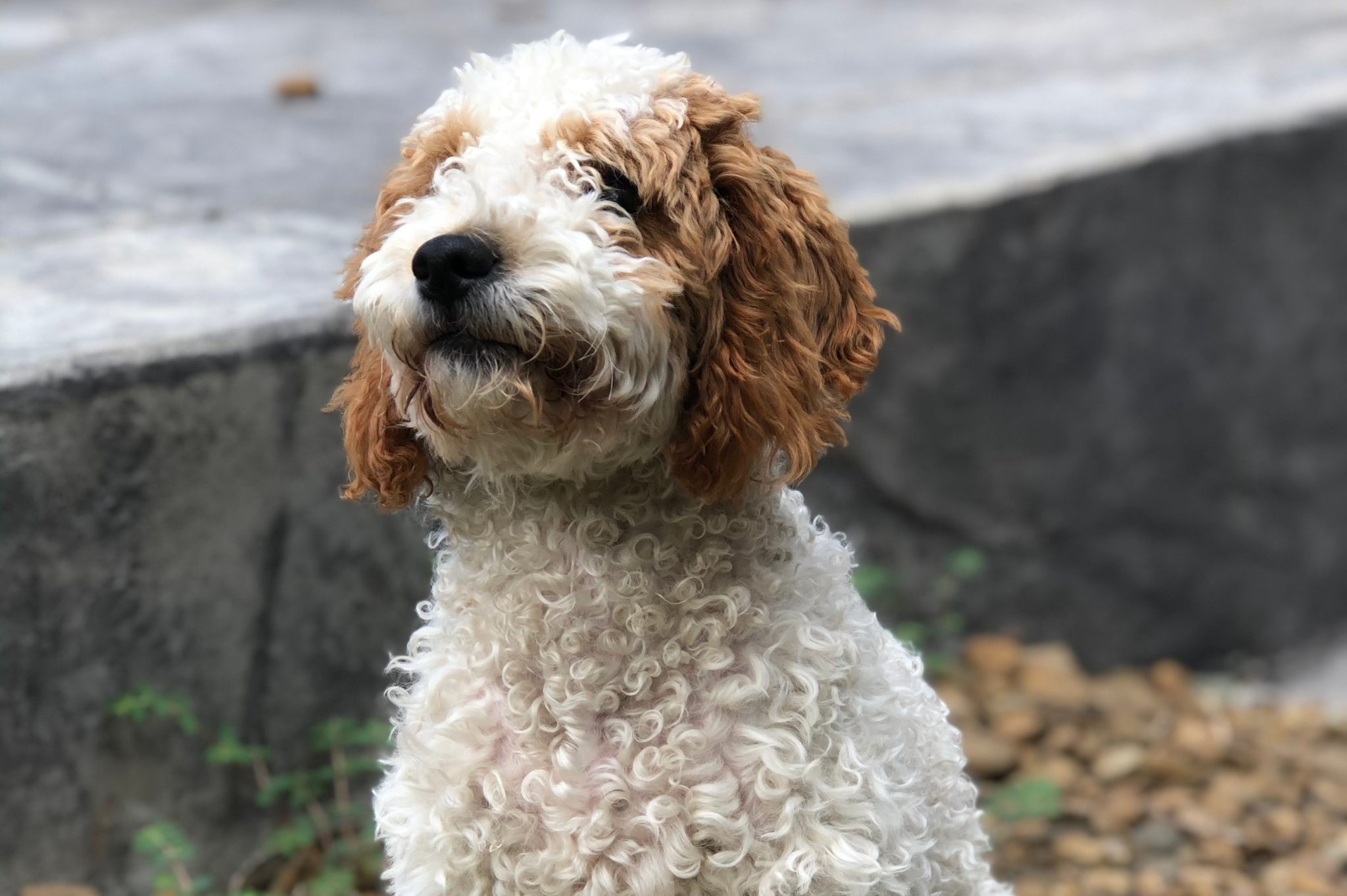
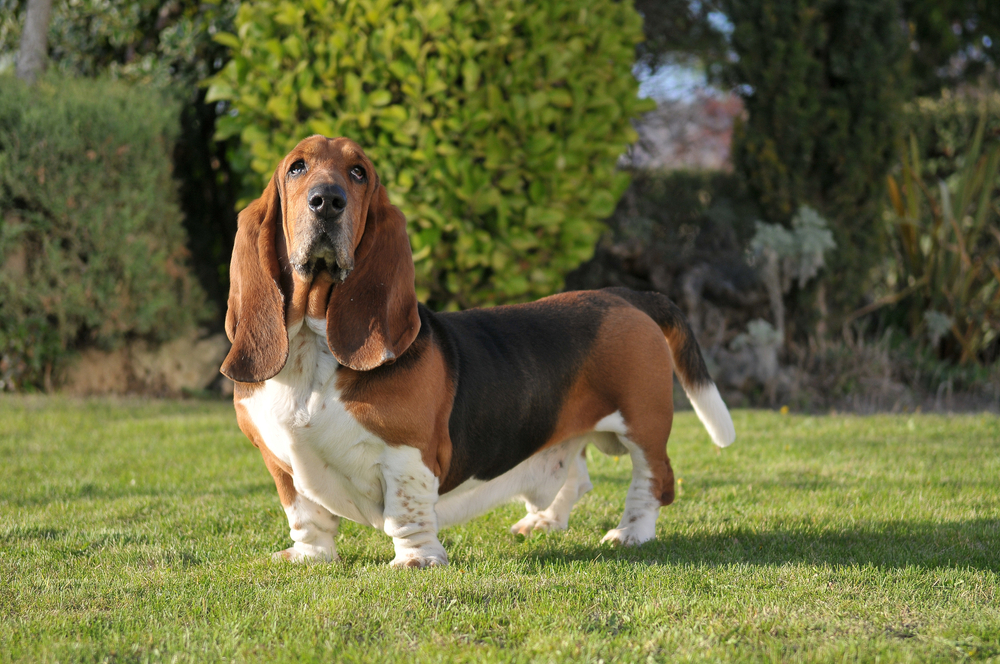
Although it’s possible for any breed of dog to develop a yeast infection, Basset Hounds, West Highland White Terriers, Lhasa Apso, American Cocker Spaniels, Boxers, Dachshunds, Poodles and Australian Silky Terriers may be more predisposed.
Conclusion
Malassezia dermatitis is a common cause of skin disease in dogs. It’s caused by an overgrowth of Malassezia organisms on the skin or in the ears of dogs. Malassezia yeast are part of the normal flora of a dog’s skin. It’s only when there is an overgrowth of yeast that infection occurs. Several factors that can predispose dogs to yeast overgrowth include endocrine conditions, food and environmental allergies, flea bite hypersensitivity, anatomical defects, and immune deficiency. It’s also possible for dogs to be allergic to Malassezia yeast.
Some of the most common signs of a yeast infection include redness, itching, a musty odor, greasy or scaly skin, hair loss, head shaking, and a brown discharge from the ears. If you suspect that your dog is suffering from this condition, it’s important that your dog is seen by a veterinarian in order to get an accurate diagnosis. The clinical signs of a host of other skin conditions can look similar to those of Malassezia dermatitis but they are treated differently. Treatment involves topical shampoos and ointments, oral medication, or a combination of both. Any underlying conditions that predisposed the dog to developing a yeast infection in the first place will also need to be addressed.
- You might be interested in: 10 Best Dog Foods for Yeast Infections
Featured Image Credit: ThamKC, Shutterstock