Why Is My Great Dane So Skinny? 5 Typical Reasons (Vet-Reviewed)
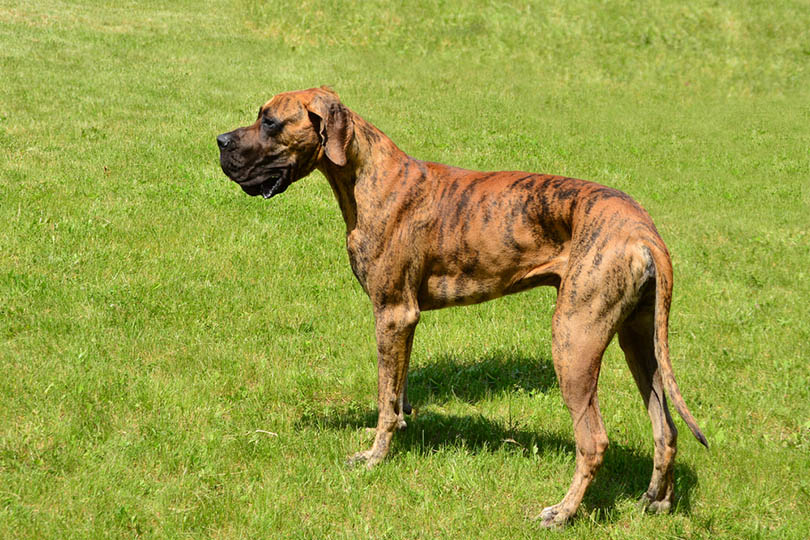
Great Danes are prized for their large and imposing size. Many people get a Great Dane hoping to get a bulky dog with that signature size. That can leave some people wondering if their Great Danes are too skinny if they do not look a certain way. A skinny appearance is not always abnormal in this breed, as they are naturally lean dogs, but it does not stop some dog owners from worrying. What causes a Great Dane to look skinny? There are numerous reasons your Great Dane might appear skinny to you, and some of them are normal, while others may require evaluation.

The 5 Reasons Your Great Dane Looks Skinny
1. They’re Young
Great Danes do not reach full maturity until they are approximately 18–24 months, although some may continue filling out until around 2–3 years of age. Before that, Great Danes might look skinny, but they are still filling out. Young Great Danes are often very lean and lack that full, bulky look that many people desire in their dogs. If your Great Dane is younger than 2–3 years old and is not experiencing any adverse health symptoms, it is likely perfectly fine. Check with a veterinarian to make sure that your dog is an appropriate weight for their age and height. If its weight is good and it is young and looks skinny, there is nothing to worry about.
2. They’re Old
Similarly, when dogs age, they may lose some muscle mass. Old dogs start to lose body condition, especially if they are reaching advanced years. If your Great Dane is old and is still eating properly, it may be related to normal aging, but unintentional weight loss should always be evaluated, as it can also be associated with underlying medical conditions. Check with a vet to make sure that your aging dog is still maintaining a healthy weight. If your Great Dane is older and looks skinny but is maintaining weight and is experiencing no further issues, then it is often not a concern.
3. They’re Actually at a Healthy Weight
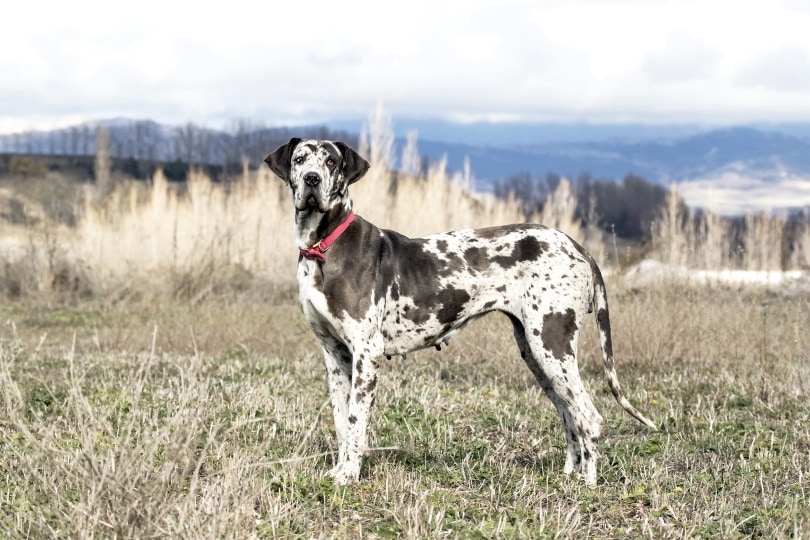
Many people think their dogs look skinny when they are actually a perfectly healthy weight. Adult Great Danes can range in weight from 110 lbs. to 170 lbs. Like humans, each individual Great Dane will have a different frame and healthy weight. You might have a leaner Great Dane than your neighbor, but that doesn’t mean that your dog is too skinny. In a healthy Great Dane, you feel the ribs easily and may see a slight outline of the last ribs when it is standing. This is generally consistent with an ideal body condition and shows that the dog is maintaining a healthy adult weight.
Many dog owners think their dogs are too skinny when they are perfectly healthy because many people believe that the look of an overweight dog is normal. Again, check with a veterinarian. As long as your Great Dane is within the healthy range for its age, then it is likely not too skinny.

4. They Aren’t Getting Enough Healthy Food
Great Danes need a lot of calories regularly. Adult Great Danes often require substantial caloric intake due to their size. Energy needs vary based on body weight, activity level, age, and metabolism. Great Dane puppies have higher energy needs proportional to the size of their small bodies due to their developmental demands. If you do not provide enough food for your Great Dane, then there is a chance it could be underweight.
You also need to make sure that your dog is getting a complete and balanced diet formulated for large-breed dogs. Not all dog food has all of the required nutrients for a large dog like a Great Dane. Even if they are getting enough calories, they might not be getting enough critical nutrients to maintain a healthy weight.
Consult your dog food bag to check for important nutritional information, including the number of calories per cup. Your Great Dane's caloric needs can be estimated using an online calculator and should be adjusted based on body condition score and veterinary guidance.
Dog Calorie Calculator
Recommended Daily Calories

The exact amount of calories an individual animal needs to maintain a healthy weight is variable and influenced by many factors including genetics, age, breed, and activity level. This tool is meant to be used only as a guideline for healthy individuals and does not substitute veterinary advice
5. They Might Be Sick
The last reason your Great Dane might look skinny is that it is sick. Dogs may show decreased appetite, weight loss, poor body condition, or even a normal appetite with weight loss when affected by medical conditions such as parasites, gastrointestinal disease, or chronic illness. For young dogs, intestinal parasites are a common cause of a thin appearance despite normal eating, while in adult and older dogs, weight loss may be associated with chronic disease, pain, or metabolic conditions. If you are providing your dog with enough healthy food and your dog is not too young or too old and is not eating or maintaining weight, it could be sick. Consult a veterinarian for more information. You might want to order bloodwork and fecal testing to ensure that everything is good with your dog, even if you can’t see it.
With bloodwork and regular check-ups, a veterinarian will be able to get a good read on your dog and give you a more personalized verdict about your Great Dane’s health.
Conclusion
Great Danes can present a naturally trim and fit figure. This can lead some people to think that their dogs are too skinny, but most of the time, a lean appearance can be normal if the dog has an appropriate body condition score. Young and old dogs can especially look skinny due to the natural process of aging. Young dogs need time to fill out, while older dogs may start to thin out over time. Make sure your Great Dane is getting regular veterinary check-ups and is getting enough of a complete and balanced, high-quality diet appropriate for large-breed dogs and their life stage to prevent any weight-related issues.
Featured Image Credit: Whiteaster, Shutterstock
Expert dog care, straight to your inbox
Vet-reviewed advice, training tips, and the best of Dogster. Free, and you can unsubscribe anytime.
By signing up, you agree to our Terms & Conditions and Privacy & Cookies Policy.
Nicole has loved animals of all sizes her whole life so it's no wonder she has dedicated her career to helping them through what she loves best: learning, writing, and sharing knowledge with others. She’s the proud mom of two dogs, a cat, and a human. With a degree in Education and 15+ years of writing experience, Nicole wants to help pet parents and pets around the planet to live happy, safe, and healthy lives.
Join the conversation
Ask a question, share your story, or send private feedback.