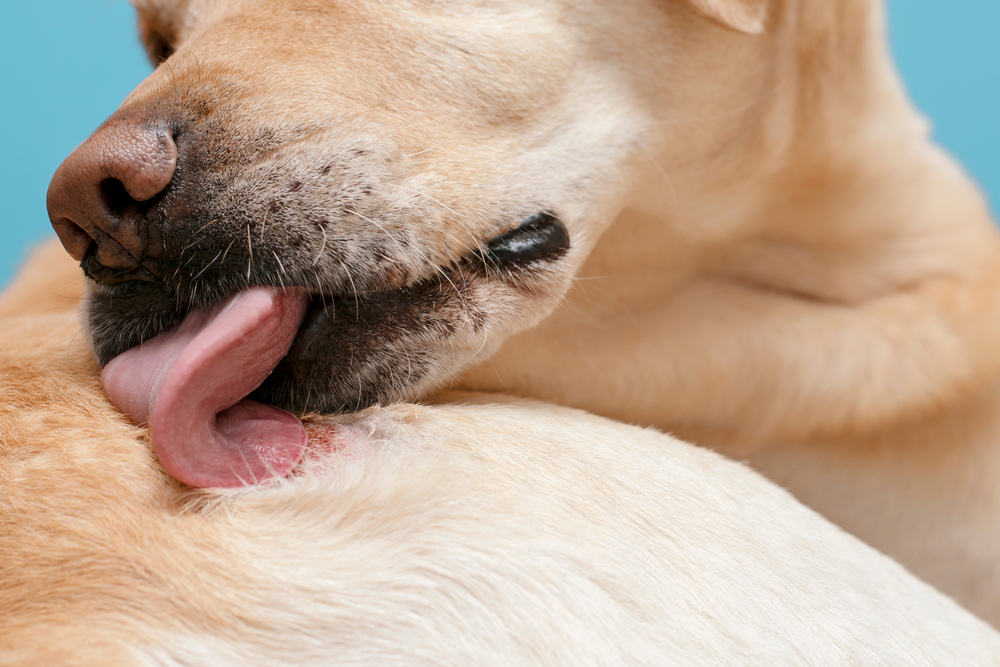
Dogs licking themselves is essentially how they bathe, kind of like when we humans take showers. They might even occasionally lick other animals and human companions as a sign of communication or affection. However, while licking might be natural for dogs, the behavior can become excessive and even harmful. Excessive licking in dogs can have various causes, a few of which are worthy of a vet visit, such as infections or allergies.
Here are the most common reasons that your dog might be licking themselves so much.

The 10 Reasons Your Dog Is Licking Themselves Too Much
1. Skin Issues
Dog overgrooming can be a sign that the skin is itchy and irritating. One of the most common skin irritants that can cause itchiness and excessive licking is fleas. Mites can also be extremely itchy, and many of them are microscopic and live within the skin, so they are only detectable via a skin scrape or sellotape test done by a qualified veterinarian. Nearly any parasite that can live on the skin of a dog can create issues and result in excessive licking and grooming.
2. Infections
Certain types of infections, specifically of the bacterial and yeast varieties, can cause a dog to excessively lick itself, usually in specific locations. If they have a yeast or bacterial infection, chances are that other signs will also be present, such as discharge, redness, and puffiness. Other fungal infections such as ringworm may not be overtly itchy but it may cause your dog to lick itself more. Many species of ringworm aren’t detectable without testing, but excessive itching or licking can be a sign that it is present.
3. Allergies
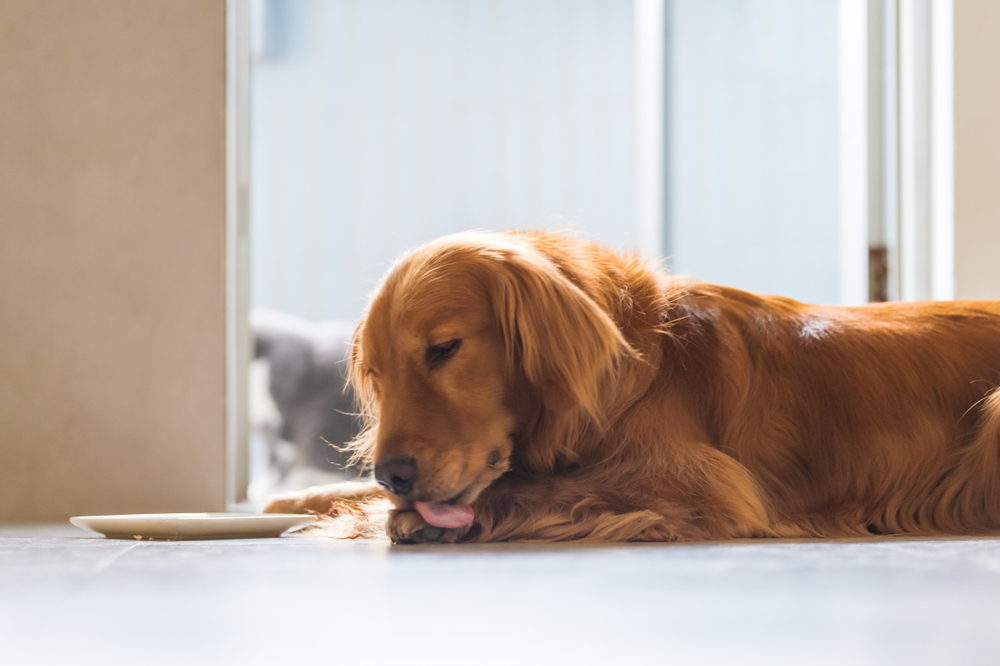
Just like humans, dogs can develop allergies that cause problems like watery eyes, sneezing, itching, and excessive licking. Both food and environmental contaminants, such as pollen, dust, grasses and dust mites can cause allergic reactions in dogs. Dogs with allergies typically chew and bite at their skin as well as excessively lick themselves.
Various therapies and treatments can be utilized to reduce your dog’s urge to lick and scratch their skin, or to improve the quality of the skin barrier which helps to reduce bacteria and yeast infections taking hold. Other methods of allergy improvement include topical anti-itch solutions, as well as tablets that help to reduce the itchiness. A veterinarian can recommend effective options based on the specific circumstances.
Sometimes, a dog’s allergies are bad enough that testing must be done to determine the exact underlying cause. A diet trial may be performed to figure out whether a specific food or group of foods is the allergen culprit. A prescription allergy diet might then be necessary. When it comes to environmental allergens, skin or blood testing can be done to determine the cause. Immunotherapy and medications can be utilized to treat and manage such allergies.
4. Nausea
Conditions that cause nausea may result in your dog licking their lips, the air and surfaces like tabletops as a way to alleviate their discomfort. They may also accompany their licking with excessive swallowing, drooling, a lack of appetite, lethargy and diarrhea. A veterinarian can run diagnostic tests to help determine the cause of GI distress and find a solution to the problem.
5. Pain
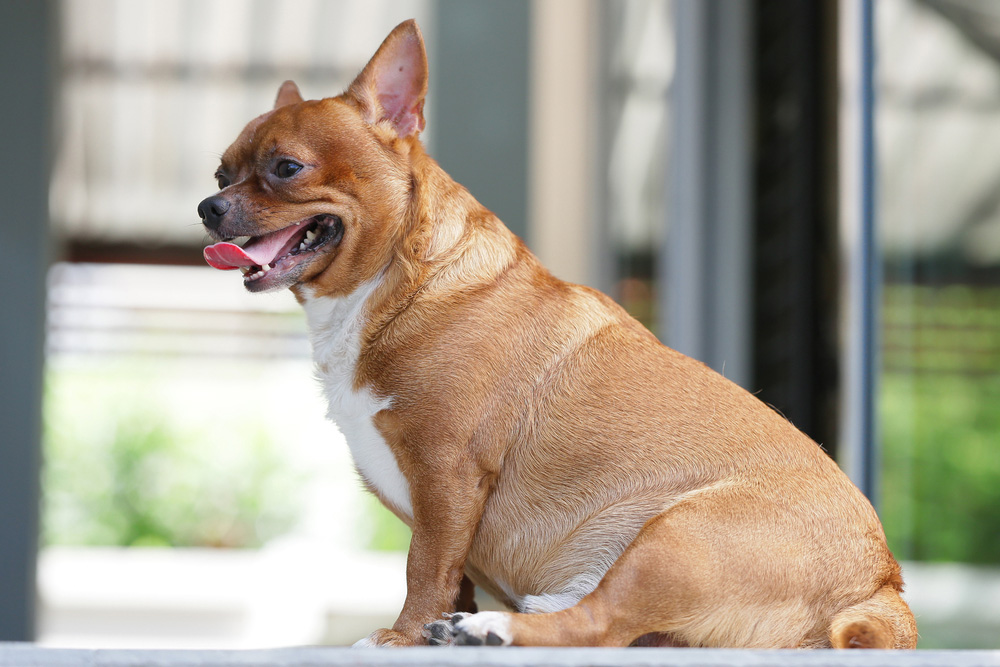
Your dog might be excessively licking themselves to try to stave off pain that they are experiencing. Whether it’s due to arthritis, muscle strain, or an injury, pain can be tough to deal with, so a dog might try licking themselves to soothe and redirect their attention to something other than the pain. They might also try licking the painful area of the body to release endorphins in an attempt to soothe themselves and reduce the pain. If the licking is due to an injury, other signs, such as limping and joint inflammation, may be apparent.
6. Dental Concerns
Various dental problems can cause a dog to lick themselves, the air, and other things more often than they normally would. Gum disease, tooth decay, and even just a small cut in the mouth can be uncomfortable and feel foreign to the dog. To address the issue, they may repeatedly lick their lips or other parts of their bodies as a form of relief.
7. Cognitive Decline
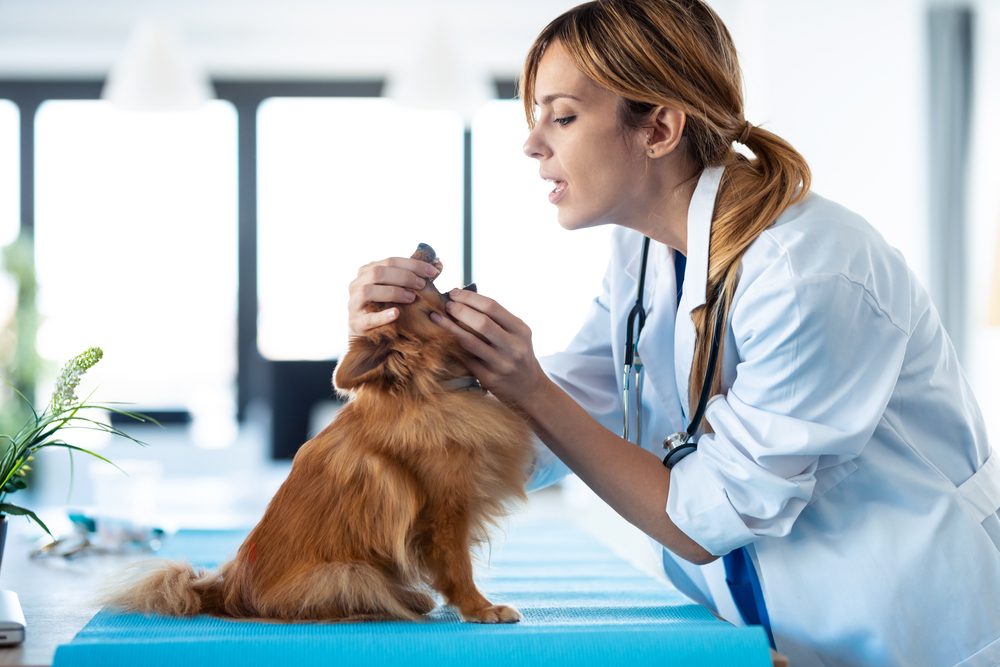
Cognitive decline can be a problem for canines, especially seniors. As brain functionality changes and decreases, the process can cause a dog to pick up behaviors that they didn’t previously have, like excessive licking and grooming. If cognitive decline is the cause of excessive licking, other signs like pacing and wandering around or general disorientation are likely to accompany the behavior.
8. Anxiety
Licking is sometimes done by dogs as a way to relieve anxiety. The licking helps release feel-good hormones, which can alleviate anxiety and allow for relaxation. The behavior can also simply be an energy outlet that helps rid the body of pent-up anxiety. The problem is that licking doesn’t get rid of the underlying cause of the anxiety, so it tends to continue, and the licking never seems to end. It can also cause additional problems when performed excessively such as trauma to the skin and the introduction of infection. It is important to figure out the cause of the anxiety and address it to stop the licking behavior and give the dog relief from the anxiety.
9. Boredom
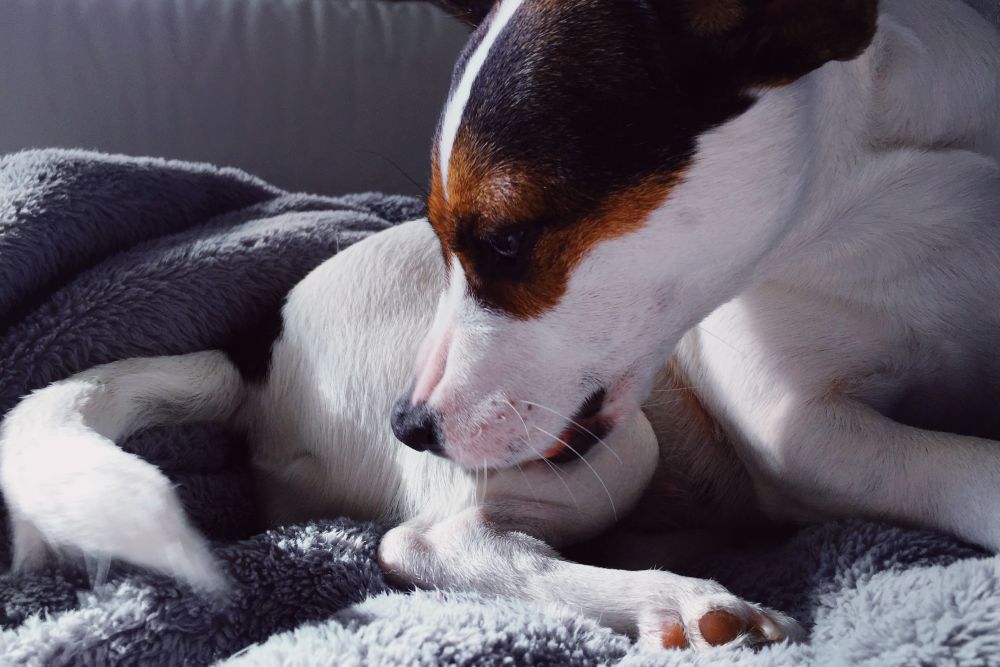
Dogs with nothing better to do are liable to overgroom themselves and engage in excessive licking. If your dog is licking themselves often when they’re lying around or stuck in their kennel, chances are that they are extremely bored and are doing whatever they can to overcome their boredom. Mental stimulation is essential for a dog’s health and well-being, and you should ensure that they never get bored enough to resort to excessive grooming.
Regular training sessions, trips to the dog park, games like fetch, agility classes, and even puzzle toys are all things that can help keep your pup from becoming bored and ultimately, stop them from overgrooming themselves.
10. The Need for Attention
If your dog knows that you don’t like them licking themselves so much but they find that you give them attention while telling them to stop, they might take to excessive licking just to get that attention, especially if they spend a great deal of time at home alone.
If this is the case, ignoring them when they start a licking session might be all that it takes for them to get the idea that their behavior won’t get them any more attention. Try redirecting them to a game or short training session instead. Eventually, they’ll correlate the other activities with attention and the excessive licking behavior with being ignored.
Final Thoughts
Now that everything has been laid out here, you no longer have to wonder, “Why is my dog licking themself?” and start working on solutions to correct the problem. Consulting with your veterinarian is always a good idea, even if you suspect that the excessive licking is due to something benign like looking for attention.
See Also:
- Why Dogs Lick Themselves Before Sleeping? 6 Vet-Reviewed Causes
- My Dog Is Licking the Plate, Should I Let Them? Vet-Reviewed Health Concerns
Featured Image Credit: fetrinka, Shutterstock
 The 10 Reasons Your Dog Is Licking Themselves Too Much