Why Does a Shih Tzu Snort? 10 Vet Reviewed Reasons


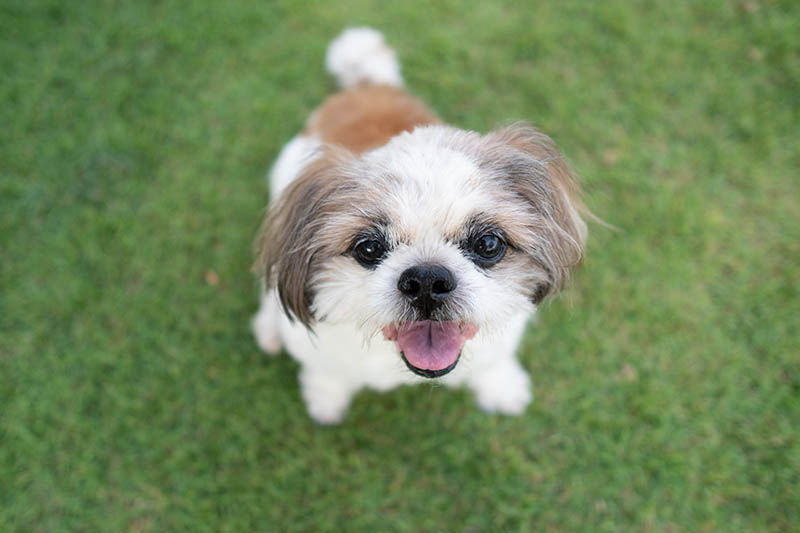
The Shih Tzu is a small, playful breed of dog with an endearing face and long flowing coat. While most owners of this breed are familiar with their snorting and sneezing habits, there’s more to it than meets the eye, especially if you’re new to owning a Shih Tzu. Snorting can be a cause for concern, but there are many reasons why a Shih Tzu may snort, and not all of them are necessarily worrisome. Let’s take a closer look at why your Shih Tzu may be snorting and the common reasons behind it.

The 10 Common Reasons Why Shih Tzus Snort
1. Brachycephalic Syndrome
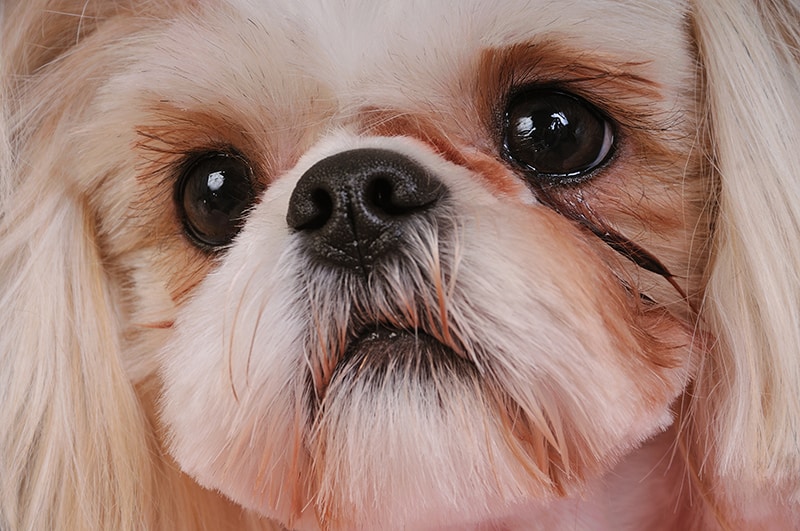
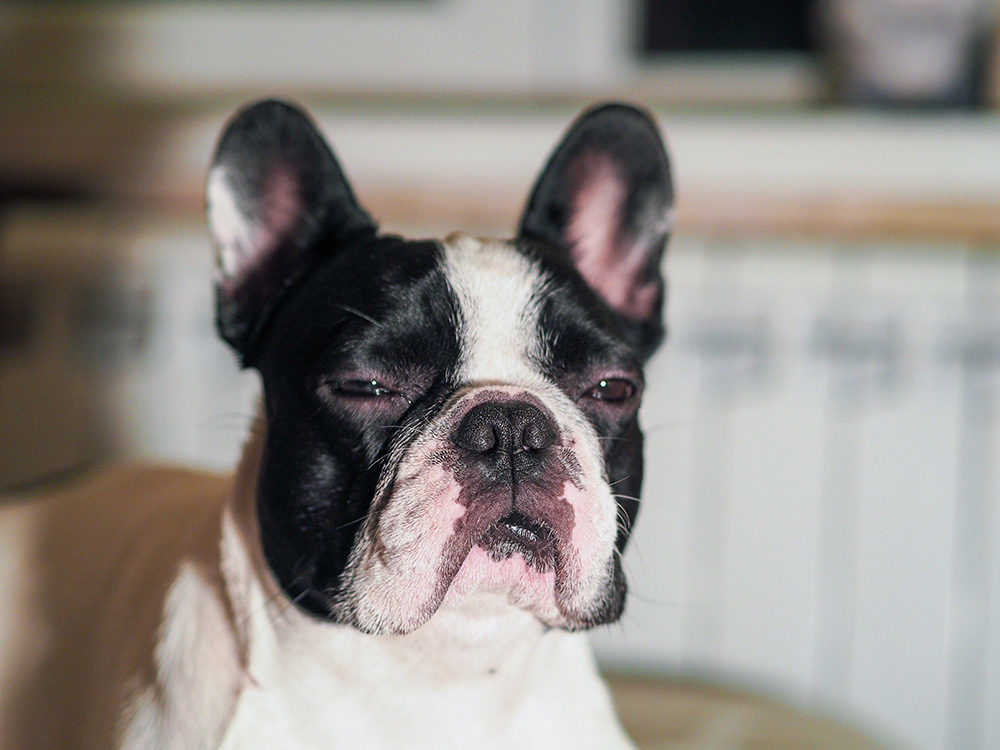
Brachycephalic airway syndrome (BOAS) is a breathing disorder in some dogs with certain facial structures.1 Brachycephalic means “short headed” and Shih Tzus are particularly susceptible to BOAS due to their short muzzle and flat, “smushed” faces. Symptoms of brachycephalic airway syndrome can include snoring, gagging, snorting, difficulty eating, sleeping and exercising. This is usually a daily occurrence for affected dogs and symptoms can progress. Especially after periods of strenuous exercise or when your pet gets too hot, your Shih Tzu may start snorting more or having trouble breathing. It’s important not to let your dog overwork itself, and talk to a vet about treatment options if you have any concerns.
2. Allergies/Seasonal Changes
Snorting can be a sign of allergies in your Shih Tzu, as an allergic rhinitis may cause mucus to build up in their nasal passages. Allergies are usually caused by environmental factors such as pollen, dust, or smoke so try to eliminate these potential triggers from your home. Seasonal changes in the weather and types of pollen around can also affect our dogs, just as it does us, and may cause snorting.
If you’re concerned, of course you can take your dog to the vet to be checked. A vet may prescribe an antihistamine for your dog if allergies are the culprit of your Shih Tzu snorting.
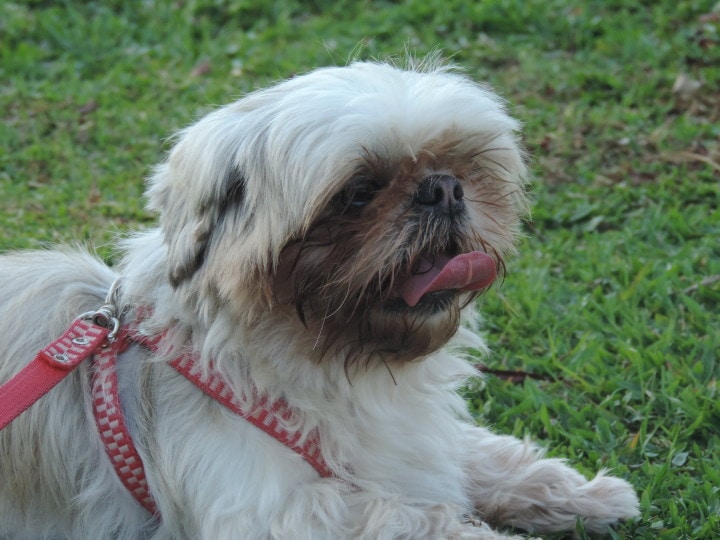
3. Reverse Sneezing
Reverse sneezing is a common occurrence in Shih Tzus and can look quite alarming if you’ve never seen it before! It’s a type of spasm, caused by irritation in the throat/back of the nose that causes your pet to make a loud snorting noise. It’s common and should resolve itself quickly, so you usually don’t need to worry! If reverse sneezing is happening frequently or starts suddenly, book a check up with a vet.
4. Upper Respiratory Infection
If your Shih Tzu is snorting more than usual and it persists, they may have an upper respiratory infection such as kennel cough. Other signs of an upper respiratory infection in dogs include:
- Eye and nasal discharge
- Reduced appetite
- Fatigue
- Fever
- Coughing
Upper respiratory infections require treatment from a veterinarian and may involve antibiotics or other medications. And if your Shih Tzu is having difficulty breathing, seek urgent medical attention.

5. Sleep Position
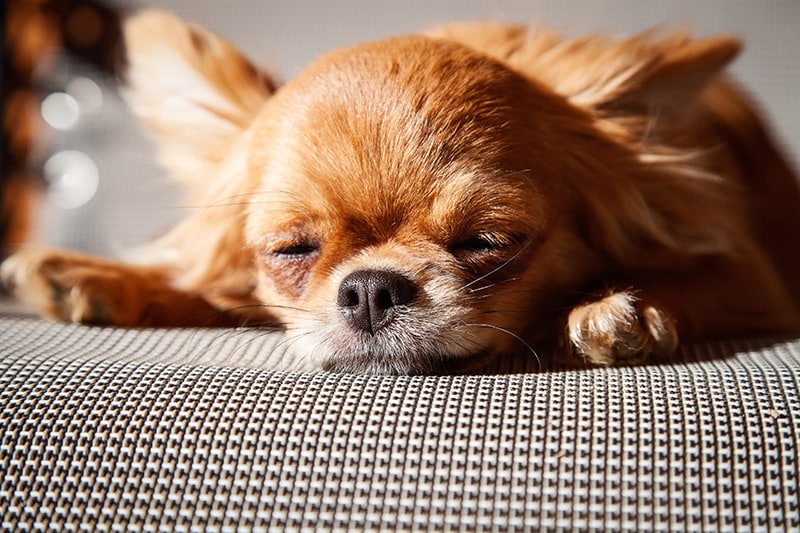
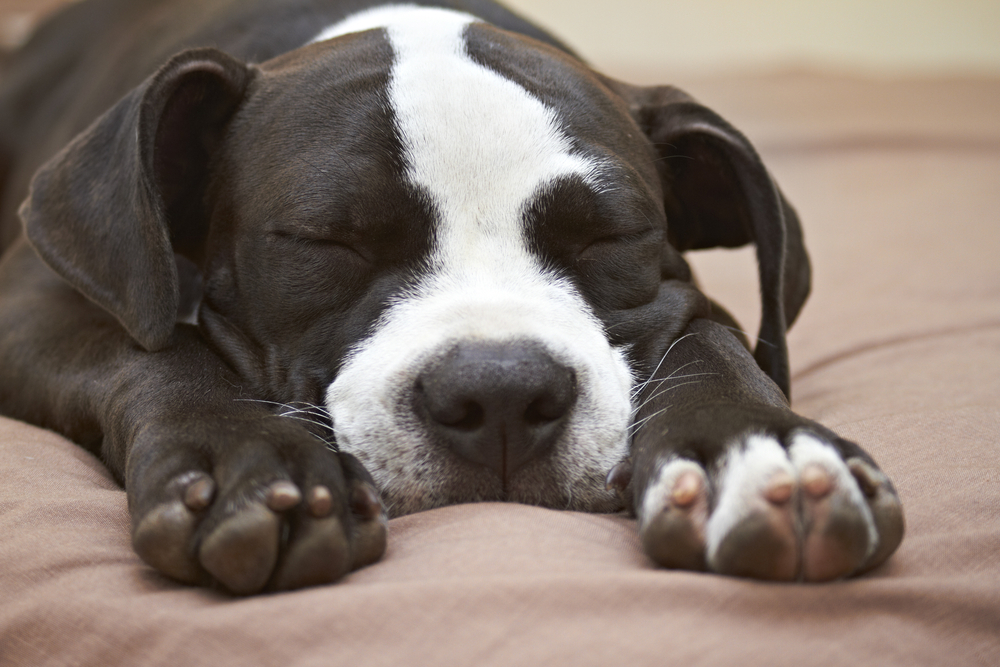
It’s also worth noting that the position your Shih Tzu sleeps in could be a factor. As those with short muzzles have difficulty breathing. They may find it easier to sleep on their side or on their front with a small pillow to prop up their chin and straighten out the airways. If your Shih Tzu is snorting or snoring while they sleep, try adjusting their position and discussing with a vet to see if any other adjustments are needed such as weight loss.
6. Age and Weight
Age and weight can also be factors in snorting. Shih Tzus tend to gain weight as they age, which can further narrow their airways leading to increased snorting and difficulty breathing, especially after exercise. Keeping your pet at a healthy weight may help reduce this symptom. If you need help managing your dog’s weight as they age, talk to a vet about a diet plan or dog food that can help your dog maintain or lose weight.
Aging can also bring other health problems that add to difficulties with breathing such as chronic bronchitis.
7. Foreign Objects
If your Shih Tzu is snorting more than usual, it’s worth checking their nose for foreign objects such as grass seeds or dirt that may have lodged in there. Foreign objects will usually result in the dog being quite distressed and sneezing a lot or rubbing at their noses. If it has been in there a little while then a nasal discharge on one side may develop. A veterinarian will be able to help with removal of the foreign object.
8. Nasal Mites
The nasal mite,2 (Pneumonyssoides caninum) is a parasite that can live in the nasal passages and sinuses of dogs. It is passed from dog to dog and can cause nose bleeds, snorting, sneezing or reverse sneezing. If your dog has any nasal discharge or nose bleeds they should be checked over by a veterinarian.

9. Anxiety
Finally, snorting can also be a sign of anxiety in your Shih Tzu. If your pet seems agitated or scared, try to remove them from the situation and provide them with a safe space until they calm down. This should help reduce any signs of anxiety such as snorting. Snorting or sneezing can be a way for dogs to try and relieve stress.
10. Other Causes
It’s important to remember that snorting in your Shih Tzu can be caused by a variety of factors, including heart conditions and other underlying causes that may not be noticeable on the surface. If it persists and you’re concerned or can’t figure out why, you should always consult a veterinarian. They will be able to diagnose the underlying cause and provide the appropriate treatment.

How Can I Help Prevent Snorting in Shih Tzus?
Though snorting in Shih Tzus may never completely disappear, because they’re a brachycephalic breed, there are a few steps you can take to help reduce the problem. Firstly, make sure your pet is not overweight, as this will help keep their airways open.
Secondly, try to reduce potential allergens in your home such as pollen, dust, and smoke. If your Shih Tzu’s snorting isn’t caused by one of these two reasons, talk to a vet about how to prevent snorting in your Shih Tzu, as it could be the sign of another underlying condition.
Thirdly ensure they are up to date with preventative health care such as vaccinations and parasite treatments.
Many dogs with BOAS will benefit from surgery which may need to be done by a specialist veterinary surgeon.
When to See a Veterinarian
If your Shih Tzu’s snoring isn’t resolving or they seem to be having difficulty breathing, it is important to seek veterinary help as soon as possible. A vet will be able to diagnose the underlying cause and advise on a course of action. In some cases, further treatment may be needed in order to resolve the problem.


Shih Tzu Snoring FAQs
Is snorting in Shih Tzus normal?
Yes, it is quite common for Shih Tzus to snore. However, if your pet’s snoring is persistent and excessive, or they seem to be having difficulty breathing, seek veterinary help as soon as possible.
What should I do if my Shih Tzu is snorting more than usual?
If your pet’s snoring is excessive or they seem to be having difficulty breathing, it is important to contact a veterinarian. A vet will be able to diagnose the underlying cause and advise on a course of action.
What should I do if my Shih Tzu is snorting because of a foreign object in their nose?
If your pet has inhaled a foreign object such as a blade of grass or too much dirt, this can cause them to snort. It is important to seek veterinary help as soon as possible to remove the object and prevent further damage.
How can I tell if my Shih Tzu is having difficulty breathing?
Signs of difficulty breathing in Shih Tzus include labored or rapid breathing, increased heart rate, coughing, wheezing, distress and panting. If you notice any of these signs in your pet, seek veterinary help as soon as possible.
What other health issues can snorting in Shih Tzus be a sign of?
Snoring in Shih Tzus can sometimes be a sign of an underlying illness such as respiratory infection, heart disease or even cancer. If your pet’s snoring is persistent, excessive, changes in nature, or they seem to be having difficulty breathing, seek veterinary help as soon as possible in order to determine the cause and take appropriate action.

Conclusion
Snorting is a common behavior in Shih Tzus and can signify allergies, brachycephalic airway syndrome, reverse sneezing or an upper respiratory infection. It is important to be aware of your pet’s normal behavior and seek veterinary help if their snorting is more frequent or different from usual and you can’t pinpoint the cause. Knowing the reasons for your Shih Tzu's snort can help ensure a happy and healthy life for your pet!
Sources
Featured Image Credit: Orawan Pattarawimonchai, Shutterstock
Expert dog care, straight to your inbox
Vet-reviewed advice, training tips, and the best of Dogster. Free, and you can unsubscribe anytime.
By signing up, you agree to our Terms & Conditions and Privacy & Cookies Policy.
Nicole has loved animals of all sizes her whole life so it's no wonder she has dedicated her career to helping them through what she loves best: learning, writing, and sharing knowledge with others. She’s the proud mom of two dogs, a cat, and a human. With a degree in Education and 15+ years of writing experience, Nicole wants to help pet parents and pets around the planet to live happy, safe, and healthy lives.
Join the conversation
Ask a question, share your story, or send private feedback.