The Most Common Shih Tzu Health Problems to Watch Out For, According to Vets


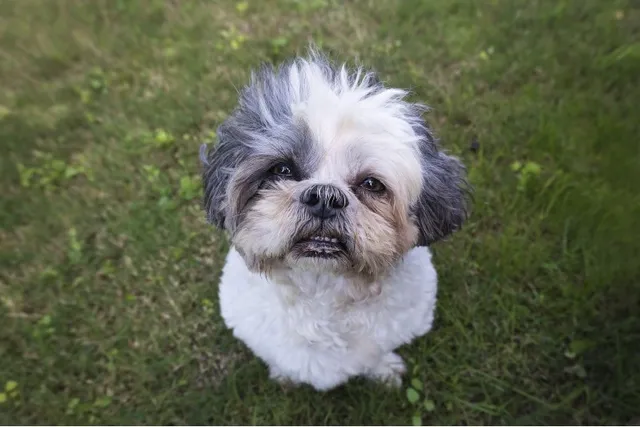
Shih Tzus are popular and sweet little dogs. They are affectionate, spirited, surprisingly resilient for their size, and with an expected lifespan ranging from 10 to 16 years, these “little lions” are also pretty long-lived and fairly robust.
But like most purebred dogs, Shih Tzus are predisposed to certain health conditions. Some are tied directly to their distinctive physical features, while others are conditions that small and toy dog breeds are simply more prone to. Understanding what to watch for is one of the most useful things an owner can do, because many of these conditions are far more manageable when caught early.
Brachycephaly - The Breathing Issue Most Flat-Faced Dog Owners Underestimate
Shih Tzus belong to a group of breeds called brachycephalic dogs, meaning they have short, compressed faces. Pugs and French Bulldogs are the most recognizable members of this group, but people often forget that, under all that fluff, the face of a Shih Tzu is very short. The tradeoff for that distinctive look is a condition called Brachycephalic Obstructive Airway Syndrome (BOAS), which impairs the dog’s ability to breathe normally.
Classic signs of BOAS include noisy breathing, snoring, and reverse sneezing. In more pronounced cases, you may notice loud, pronounced airway noise, rapid fatigue during exercise, retching, gagging, and, in extremely severe cases, collapsing or fainting. Brachycephalic dogs also struggle more in hot, humid weather due to their reduced ability to cool down by panting. With increasing age or body weight, the extra effort required to breathe places stress on the heart and can contribute to elevated blood pressure. Management involves keeping the dog cool, maintaining a healthy weight, and in some cases, surgery to improve airflow.
Eye Conditions - Common, and Should Be Watched Closely
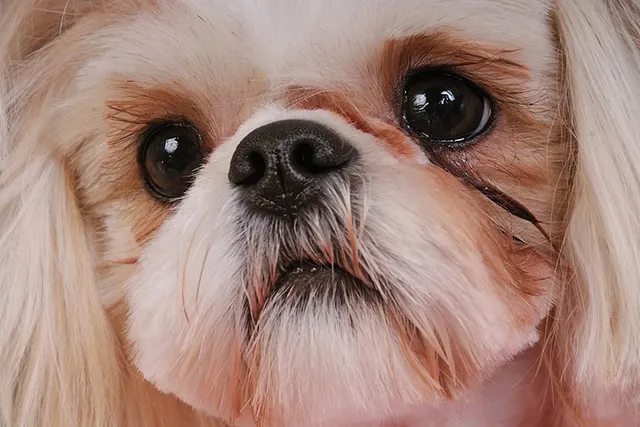
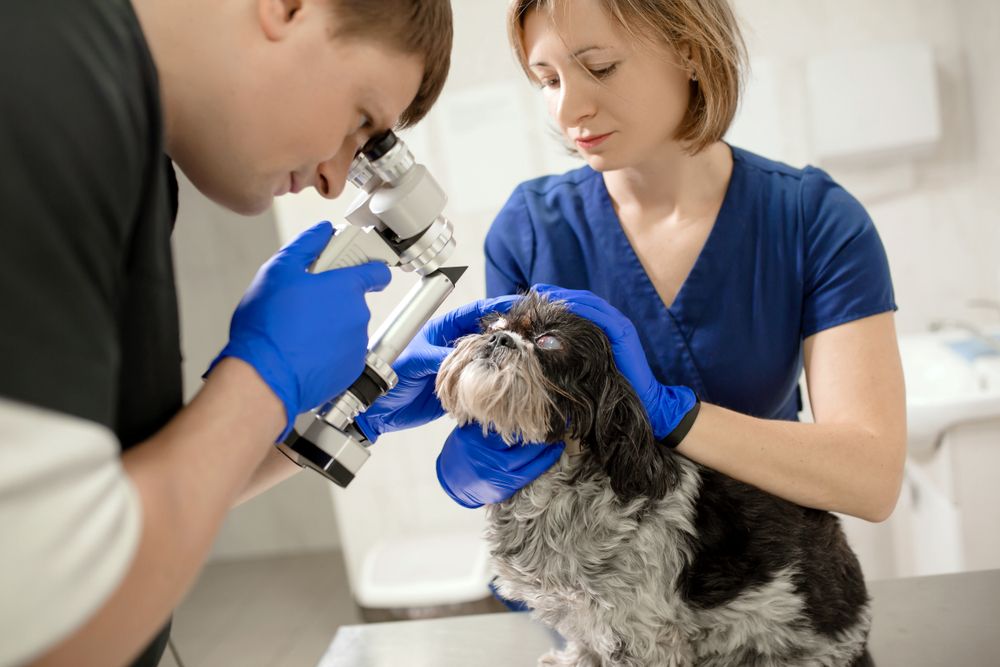
While it may be one of their more endearing features, the large, prominent eyes of the Shih Tzu are more susceptible to a range of eye problems than those of many other breeds, such as:
Dry Eye
Keratoconjunctivitis sicca, often referred to as dry eye, is one of the more common issues seen in Shih Tzus. It occurs when the immune system attacks the tear glands, leaving the eye without its natural protective coating. The result is inflammation of the cornea and surrounding tissue. Signs include redness, inflammation, squinting, eyes held shut, and a thick discharge. Left untreated, the cornea can become permanently damaged and discolored. Treatment is typically lifelong, administered through medicated eye drops.

Corneal Ulcers
Vets often treat Shih Tzus with corneal ulcers, sometimes as a secondary complication of dry eye, and sometimes because their protruberant eyes are more susceptible to physical trauma. Usually not visible without appropriate staining, corneal ulcers can be incredibly painful, and if left untreated, can progress through the corneal wall into the underlying structures. Signs of corneal ulcers include squinting, rubbing at the eye, light sensitivity, inflammation of the eye and surrounding structures, and discharge. Most ulcers can be successfully treated with a combination of eye drops and pain relief, but more severe and resistant ulcers may require surgery.
Airway Collapse - A Respiratory Condition That Sounds Stranger Than It Is
Collapsing trachea is a condition where the cartilage rings in the windpipe weaken and flatten when the dog inhales. Shih Tzus are among the most commonly affected breeds, alongside Chihuahuas and Toy Poodles. The primary symptom is a persistent honking cough that often worsens when pressure is applied to the throat. Most cases are relatively mild, but depending on severity, management may include close monitoring, medication, or surgery.
Problematic Joints & Bones
Those bandy little legs may look adorable, but the unusual angles and disproportionate limbs of the Shih Tzu make them susceptible to problems of the bones and joints. Some have an almost 90o rotation of their limbs, putting strain on their feet, hips, knees, and elbows. As a result, vets often see Shih Tzus with varying degrees of:
Hip and Elbow Dysplasia
Unequal development of the bones leads to joint incongruence, causing loosening and instability over time. The result is discomfort, pain, and eventually degenerative joint disease. Management includes weight control, moderate exercise, joint supplements, anti-inflammatory medication, and, in more advanced cases, surgery.

Patellar Luxation
Luxating patella, or a dislocating kneecap, is another condition Shih Tzus are prone to, along with several other small breeds. There are four grades of severity, with higher grades typically requiring surgical correction. Many dogs with a lower-grade luxating patella manage well with conservative care and regular monitoring.
Intervertebral Disc Disease
Intervertebral disc disease (IVDD) is linked to the same genetic factors that give Shih Tzus their short legs and long backs. Over time, the soft cushioning material of the intervertebral discs degenerates, making them more vulnerable to swelling, bulging, or rupturing. Depending on which part of the spine is affected, the most common signs of IVDD include:
neck or back pain
unsteady gait
hind limb weakness
paralysis
Milder cases may respond to conservative management, including cage rest, pain relief, and anti-inflammatories, but more serious presentations require surgical decompression and physiotherapy.
Internal Diseases – Invisible Outside, Significant Inside
The trouble with many health conditions is that they can be progressing internally, with very few signs on the outside. That’s why it’s important to know what diseases Shih Tzus are more prone to, so you know what to be watching out for. Although the Shih Tzu can be affected by any canine health condition, there are a couple that are more common in this breed.
Cushing’s Disease
Cushing's disease, or hyperadrenocorticism, involves the adrenal glands producing too much of the steroid hormone cortisol. It tends to develop gradually, which means it can go unnoticed for a long time. Signs include increased thirst and urination, a larger appetite, lethargy, and thinning hair. Treatment focuses on medication to regulate cortisol production, and management requires close monitoring through regular blood tests.

Liver Shunt
A portosystemic shunt (PSS) is where blood bypasses the liver due to the formation of abnormal blood vessels. Depending on whether the shunt was present from birth (congenital) or formed over time (acquired), the clinical signs of PSS may include stunted growth and poor muscle development, vomiting, jaundice, or neurological signs such as disorientation, head pressing, circling, and seizures. Surgery is the preferred treatment for congenital PSS, but dietary management and medication can help in cases where surgery is not an option.
Dental Disease - One of the Most Overlooked Risks
Dental disease is one of the most overlooked health conditions in dogs, and Shih Tzus are often in need of repeated dental work. These small dogs have the same number of teeth as any other dog, packed into a considerably smaller jaw. This overcrowding creates ideal conditions for plaque and tartar buildup, which, over time, can lead to periodontal disease and infection around tooth roots. Daily brushing with a dog-specific toothpaste, dental treats, and regular veterinary dental checks go a long way toward preventing serious problems.
What to take from all of this
While it’s important to be aware of the possible health problems that may affect your dog, none of these conditions are inevitable, and many Shih Tzus live full, healthy lives without experiencing serious illness. The value in knowing about them is knowing what to watch for. Regular vet checkups at least once a year, even when a dog appears perfectly well, combined with attention to changes in behavior, appetite, eyes, breathing, and movement, give owners the best chance of catching anything early.
Information is power.
Featured Image Credit: Try_my_best, Shutterstock
Did You Know?
- Our brand-new posts are rounded up and included in our weekly emails. Don't miss out on the latest - sign up for our newsletter below!
Expert dog care, straight to your inbox
News, insights, expert advice, and everything dog.

No spam — unsubscribe anytime.
By signing up, you agree to our Terms & Conditions and Privacy & Cookies Policy.
How useful was this post?
Click a star to rate. You can leave written feedback afterwards. (We read all feedback.)
Dan has been working in the dog world for over 4 years, covering dogs and all other pets, helping pet parents keep their companions happy, healthy, and totally spoiled! Originally from London, Dan now works remotely, which sadly means no pets at home, but plenty of opportunities to fuss over other people's furry friends.