Bronchitis in Dogs: Signs, Causes, Care & FAQ (Vet Answer)


In this article
In dogs, bronchitis is a relatively common problem, but it's usually thought of as an infectious condition in people. It can be an infection in dogs, but it can also be present in other ways. Hopefully, if your dog has been diagnosed with bronchitis, it is an acute, short-term problem. Chronic bronchitis can get a little complicated
This article will discuss the differences. It will help you learn how to identify bronchitis if your dog gets it and arm you with tools to help them.

What Is Bronchitis?
Bronchitis can be a brief, acute problem or a chronic, long-term problem that waxes and wanes. In both cases, though, it is caused by inflammation, swelling, and irritation in the lower respiratory tract—in the lungs. This inflammation causes a dog to cough.
Acute bronchitis
Acute bronchitis appears quickly, seemingly out of nowhere, and goes away quickly. In acute bronchitis, the primary cause needs to be identified and managed for the best results. It is commonly caused by infectious agents, bacteria, viruses, or both.
These agents cause inflammation, and if the infection goes away (which it usually does), the bronchitis improves. It can improve in 5–7 days, but sometimes, it may take 3 or 4 weeks.
Chronic bronchitis
Chronic bronchitis occurs when the inflammation persists for more than two months. Coughs can wax and wane, but they are persistent problems. Inflammation may have once been caused by infection, but it no longer is. It is a response to long-term irritation, so the inflammation is pretty much out of control.

The Signs of Bronchitis
Coughing is the most apparent sign of bronchitis.
Coughing in a dog can be confused with other things, such as sneezing, reverse sneezing, or gagging. Coughing is often much louder and more persistent than those problems, however. If your dog reverse sneezes, it is good to know what that sounds like so you can tell the difference.
A cough caused by bronchitis tends to sound wet but is more productive than a dry cough. Patients may cough intermittently after an activity or randomly at any time. Coughing is a sign of many problems, such as pneumonia, heart disease, lung cancer, or other respiratory diseases besides bronchitis.
So, if your dog coughs persistently, they need a physical exam with a vet. A dog with bronchitis can also have multiple problems, any of which can be concurrent. Some dogs may also demonstrate exercise intolerance, an inability to exercise as much as they used to. But most dogs with chronic bronchitis act otherwise normal; they just cough.
If you suspect your pet is suffering from bronchitis, you should contact your vet directly for an assessment. They can provide you with more information and a care plan.
The Causes of Bronchitis
Acute bronchitis
Acute bronchitis can happen in any dog breed and at any age. Infectious agents commonly cause it, but it can also be caused by sudden exposure to harmful inhalants, such as smoke. The cause may never be concretely identified, especially if treatment cures it quickly enough.
Chronic bronchitis
It is most common in middle-aged and older dogs, but smaller dogs are also more likely to have it. Once inflammation occurs in the lungs (after a bout of acute bronchitis, for example), it can lead to permanent changes, especially if it is severe or lasts long enough. The permanent changes not only make the lungs less efficient at breathing air, but they also make the inflammation more likely to come back if it ever goes away completely.

How Do I Care for a Dog with Bronchitis
The most helpful thing is to get your vet involved.
Acute bronchitis
If you suspect bronchitis or infectious bronchitis, book an appointment with your vet immediately. However, you should also tell them that is what you suspect so they can take extra precautions at the clinic so the infection doesn’t spread to other dogs. Tell them before you enter the building. Call and ask for instructions on how to come in with your potentially infectious dog.
Caring for Acute Bronchitis at Home
- The most important thing to do for acute bronchitis is to know if your dog needs to be isolated. If the sudden bronchitis outbreak is caused by infectious agents, your dog will need to be isolated so they don’t spread it to others.
- Medication can help reduce the cough and interrupt the cycle discussed above, where the cough makes bronchitis worse.
- Antibiotics may or may not be helpful. This will depend on the infectious agents, your dog's health, and the environment where you live. Ask your vet if they are needed, but do not be surprised if they are NOT.
- Keep them warm and dry, and let them rest until they are better.
Chronic bronchitis
Vet visits work best with frequent check-ins; once every 3–6 months to ensure everything is managed just right is a good idea. Having a vet who knows their cough pattern is more helpful for improving their quality of life.
Caring for Chronic Bronchitis at Home
Dogs with chronic bronchitis may be prescribed medication to help their lungs function, but things you do at home can also be helpful.
- Maintain a well-ventilated home. Reducing air contaminants such as smoke is essential, but you should also avoid using perfume and strong-smelling soap.
- Manage their weight so that obesity doesn’t make it more difficult for them to breathe.
- Manage their exercise. While controlled exercise is important for maintaining healthy lung function, it can also trigger bronchitis and make it worse. Interrupt the exercise if it becomes too much.

Frequently Asked Questions
How Will a Vet Diagnose Chronic Bronchitis?
Chronic bronchitis may take a while to diagnose. It can take a long time to know something is chronic. Plus, since there are so many other things that a cough can be caused by, these other health issues need to be ruled out first.
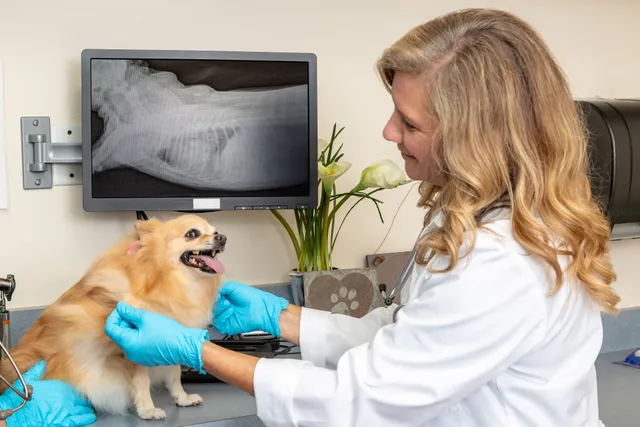
Diagnostic tests such as bloodwork, X-rays, and taking samples of the airways can help a vet get to a diagnosis.
What Is the Prognosis for Chronic Bronchitis?
The severity of chronic bronchitis will dictate its prognosis. Severe chronic bronchitis can be quite limiting and impede a dog's quality of life. It can also wax and wane, with periods of more intense inflammation and cough followed by periods of relative calm. This is the most common pattern.
Mild bronchitis might just be a pestering problem that flares up and is dealt with quickly.

What's the Difference Between Bronchitis and Pneumonia?
Bronchitis inflammation is not as deep in the lungs as pneumonia, but it’s lower than the upper airways, where sinusitis causes inflammation. It is between the two, in the bronchi, which is what that part of the airways is called.
Acute bronchitis is closely related to pneumonia; both are inflammation of the lungs. However, pneumonia is much more severe, as the infection is much deeper and more insidious. Bronchitis can also easily switch to pneumonia. Both acute and chronic bronchitis can escalate to pneumonia.
Why Is My Dog’s Bronchitis Getting Worse?
Inflammation causes a cough, which is irritating and causes more inflammation. So, bronchitis can be a problematic cycle of inflammation to break. As a dog coughs, the irritation and mucus are stimulated to become more.
Summing Up
Bronchitis can look different in different dogs and scenarios, but overall, TLC is the best thing for it. Keeping your dog’s lungs healthy means providing exercise and fresh, clean air. Getting their vaccines, including kennel cough—even if they don’t go to a kennel—are all necessary steps to prevent bronchitis.
Hopefully, this has helped explain some of the different ways bronchitis can affect your dog and helps you know how to provide the best tender-loving care.
Sources
Featured Image Credit: vet_Duet PandG, Shutterstock
Expert dog care, straight to your inbox
News, insights, expert advice, and everything dog.

No spam — unsubscribe anytime.
By signing up, you agree to our Terms & Conditions and Privacy & Cookies Policy.
How useful was this post?
Click a star to rate. You can leave written feedback afterwards. (We read all feedback.)
Dr. Chantal Villeneuve MS BVetMed (Veterinarian)
Dr. Chantal is passionate about the human-dog bond and improving animals' lives through their connections with their human companions. She has worked with almost every species, dogs, cats, rabbits, guinea pigs, birds, reptiles, amphibians, and even horses and mice - all are welcome. She is excited to use her writing to spread the things she has learned to help people connect with their dogs.