Cryptorchidism (Retained Testicles) in Dogs: Vet-Verified Signs, Causes & Care


In this article
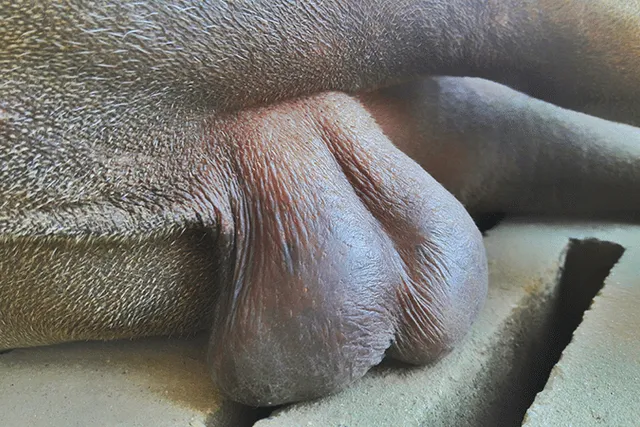
As a male dog develops and matures, both testicles should descend from its body into the scrotum. This usually occurs before the 8-week mark. When one or both testicles fail to descend, it is known as cryptorchidism, the most common disorder of sexual development in dogs.
If you or your vet notices abnormal testicle development in your pup, it's essential to get him checked for cryptorchidism. This condition has a fantastic prognosis, provided you get the proper treatment before your dog gets too old. Keep reading to learn more about cryptorchid testicles and your treatment options.

What Is Cryptorchidism?
When a puppy is born, its testicles are in the abdomen near its kidneys. As it ages, the testicles should start migrating to the spot they're supposed to be in the scrotum. This condition occurs when one or both testicles fail to descend into a pup's scrotum. Most pups' testicles descended in the first 30 to 40 days after birth, but a definitive diagnosis of cryptorchidism is delayed until six months of age.
Cryptorchidism is sometimes also known as retained testicles or undescended testicles. Cryptorchidism can be unilateral (only occurring on one side of your dog's body) or bilateral (occurring on both). This condition can also happen when the testicles only partially descend.
What Are the Signs of Cryptorchidism?
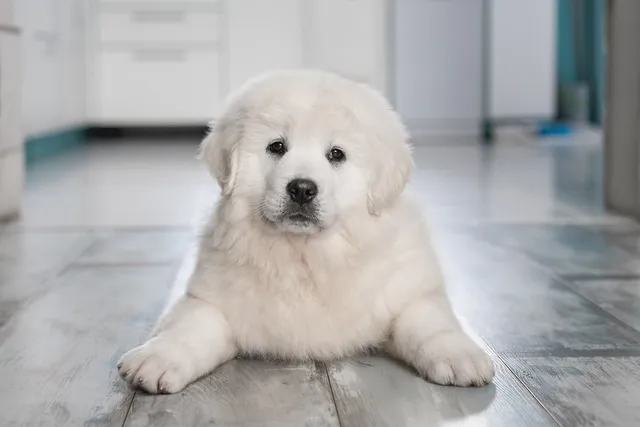
Dogs rarely show signs of cryptorchidism, so it can be challenging to assess for it. In addition, when puppies are young, their testicles are small; sometimes, vets even have difficulty determining if one or both are present in the scrotum.
Dogs with the condition are typically not in pain unless a complication develops, such as testicular torsion or testicular cancer. Both of these conditions are at increased risk of happening in a cryptorchid dog.
The most common signs of retained testicle torsion to look for include:
The clinical signs of testicular cancer will depend on the type of specific type. The most common type of tumor that can develop due to cryptorchidism is a Sertoli cell tumor. In fact, the incidence of this type of tumor is 20 times higher in cryptorchid testicles. According to PetMD, up to 14% of these tumors are malignant and can metastasize to your dog's surrounding lymph nodes and organs1.
Signs of Sertoli cell tumors include:
If your dog is showing these signs, we suggest you speak to a vet.
What Are the Causes of Cryptorchidism?
While cryptorchidism can happen to dogs of any breed, some are more likely to carry the gene that causes this condition.
These breeds include:
There is also an inherited component to cryptorchidism. A dog is more likely to develop it if its father also had it. Therefore, it is not recommended to breed a dog with this condition as it can be passed down to puppies. Alterations in the gene HMGA2 have been associated with cryptorchidism, and the gene is also associated with size. Thus, smaller versions of dog breeds (like toy breeds) are more likely to have retained testes.
This condition affects anywhere between 1–3% of all dogs.

How Do I Care for a Dog With Cryptorchidism?
The best thing you can do for your dog with cryptorchidism is to get it neutered. Doing so will reduce the likelihood of your pup developing serious health problems due to its undescended testicle. However, it's important to note that a cryptorchid neuter procedure is more involved than standard neuters, as the surgeon may need to make an incision in the abdomen to locate the testicle.
This procedure is typically performed on an outpatient basis, meaning your pup will be coming home with you once the vet has cleared it. However, there may be extenuating circumstances that involve an overnight stay in the hospital.
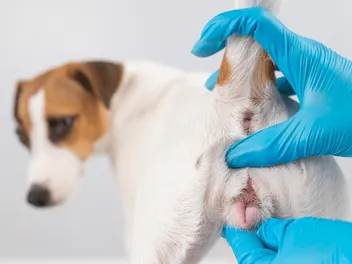
Before performing surgery, your vet will need to locate the undescended testicle. Your vet can use palpation or ultrasounds to find the missing testicle. However, if it is still not located, they may need to open the abdominal cavity and perform exploratory surgery.
Most vets recommend removing both testicles, even if your dog is a unilateral cryptorchid. The cryptorchid testicle will be taken out to prevent testicular torsion and reduce the likelihood of your pup developing testicular cancer. Your dog's normal testicle may also be taken out to avoid breeding cryptorchid puppies, amongst other benefits.
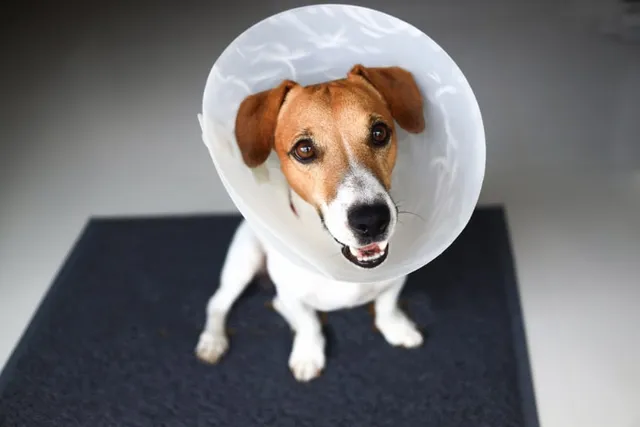
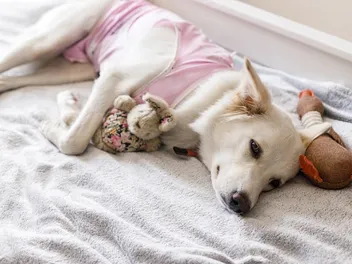
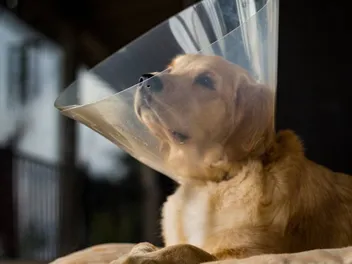
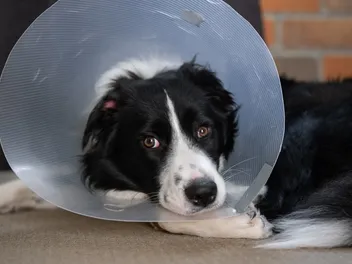
After the procedure, you'll need to use an Elizabethan collar to keep your pup away from its incision. Check the incision regularly to look for signs of redness or swelling, which can indicate an infection or self-trauma.
Frequently Asked Questions (FAQ)
Do I need to correct this problem?
Cryptorchidism can cause significant problems for your dog over its lifespan. Leaving a dog with this condition intact can make your pup prone to health conditions like testicular torsion or testicular cancer.
Testicular torsion, sometimes also known as spermatic cord torsion, occurs when the testicle rotates and twists on itself.
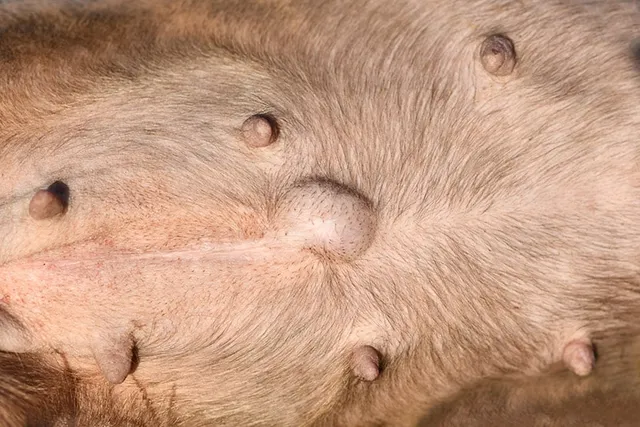
The most common type of testicular cancer that can develop in dogs with this condition is called the Sertoli cell tumor. These tumors produce much estrogen, which may cause your dog to take on more feminine traits such as enlarged nipples and mammary glands. Dogs with cryptorchidism are at least ten times more likely to develop testicular cancer than normal dogs.
Dogs with bilateral cryptorchidism typically become sterile as the temperature inside their body is too high, making it difficult for sperm cells to form.
If the testicles aren't in the scrotum, where are they?
The testicles usually stay in the belly (AKA abdominal cryptorchid) or in the groin (inguinal cryptorchid). They can be found anywhere between your dog's scrotum and kidneys. Since they're smaller than normal testicles, they can be quite challenging to find. Depending on where it lost its way, vets can occasionally feel where it is during a physical examination.
What is the prognosis for a dog with cryptorchidism?
The prognosis is excellent, thankfully. Dogs who have the surgery early in their lives, before problems can develop in the undescended testicle, will go on to live a normal life. Though more involved than a traditional neuter, the outcomes are overwhelmingly positive.

Conclusion
Cryptorchidism is a condition you'll want to treat sooner than later. The faster your pup has surgery to correct this condition, the better its prognosis will be. Remember, dogs with cryptorchid testicles are more at risk of developing potentially life-threatening complications.
If you have any questions about your dog's sexual development, reach out to your veterinary team for advice.
You might also want to check out: Fake Testicles for Dogs: Vet-Verified Facts & FAQ
Sources
Featured Image Credit: IgorAleks, Shutterstock
Expert dog care, straight to your inbox
News, insights, expert advice, and everything dog.

No spam — unsubscribe anytime.
By signing up, you agree to our Terms & Conditions and Privacy & Cookies Policy.
How useful was this post?
Click a star to rate. You can leave written feedback afterwards. (We read all feedback.)
Chantelle is passionate about two things in her life – writing and animals. She grew up on the prairies of Canada surrounded by animals and as an adult, she choose to share her home with five cats, two guinea pigs, and a bearded dragon. Chantelle, her husband, and their child take great pride in being great animal parents- the ones who spend a thousand dollars on wall-mounted cat shelves so that their cats can have an indoor jungle gym all year round. When Chantelle isn’t snuggling her cats on the couch or taking pictures of them being funny, she’s outside exploring in the Rocky Mountains, binging the same shows on Netflix over and over, and reading about whatever random topic pops into her brain.