Popular Sire Syndrome in Dog Breeding & Consequences Explained


In this article
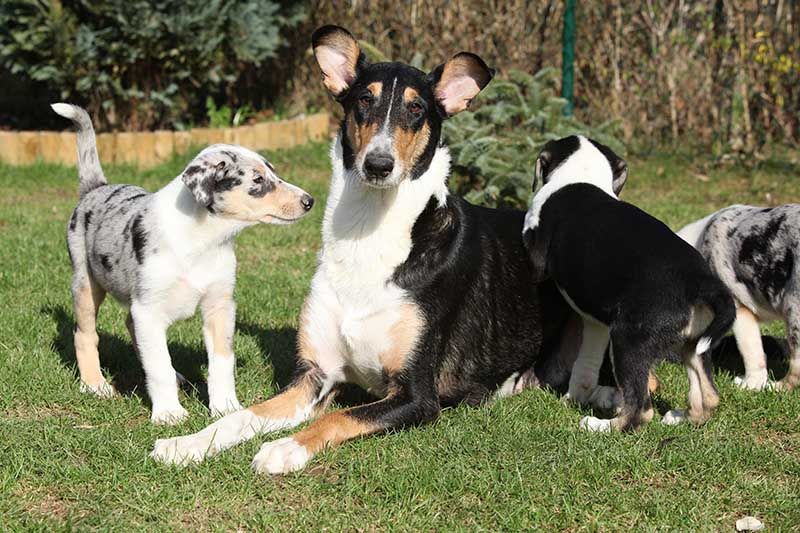
It may seem like common sense to breed only the best dogs to protect and grow the population of purebred dogs. However, too much of a good thing can become bad, and it’s possible to over breed the same dogs and create significant issues. The practice of overbreeding the same sire is referred to as Popular Sire Syndrome, and it can lead to devastating consequences.
The effects of Popular Sire Syndrome may not be seen immediately, but the continued practice of it can do great damage to future generations and harm the longevity and prevalence of purebred dogs. It’s vital for breeders to follow ethical practices and prevent overbreeding to protect purebred dogs and continue to produce healthy puppies.

What Is Popular Sire Syndrome?
Popular Sire Syndrome occurs when the same male dog sires many litters. Sires that win dog shows often become sought after because they have desirable appearances and temperaments that match their breed standards. Breeding this dog increases the chances of producing puppies that share the desirable traits it possesses.
There isn’t really an issue if the dog sires a few litters. Siring multiple litters becomes an issue if cases of inbreeding or line breeding occur. Linebreeding is a form of inbreeding in which two related dogs in different generations are bred together.
The danger of inbreeding is that the prevalence of detrimental genetic mutations multiplies with each litter of puppies. The popular sire may have recessive mutations that remain hidden and unexpressed through its phenotype. These recessive mutations get passed down to each litter the dog sires and continue to pass on with each litter that the next generation produces.
It’s important for male dogs to retire from breeding programs at an appropriate time to avoid Popular Sire Syndrome. While this may not make sense from a short-term perspective, it’ll protect the breed in the long run by making room for genetic diversity.

What Are the Signs of Popular Sire Syndrome?
You won’t see signs of Popular Sire Syndrome right away. It can take a couple of generations to start noticing its effects, but signs of inbreeding will eventually appear.
The following are some possible signs of inbred dogs:
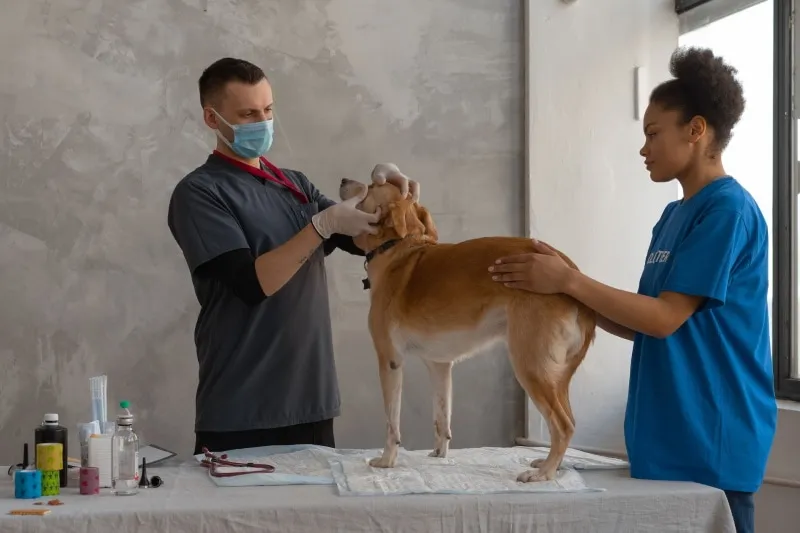
Purchasing a purebred puppy is an expensive investment, so it’s important to find ethical breeders to ensure you bring home a healthy puppy. Good breeders will be transparent with their breeding programs and be open to answering any questions about the puppy’s parents. You can also verify that the breeder has completed health checks for common genetic conditions associated with the breed.
Avoid any breeders who aren’t willing to give straightforward answers about their breeding practices. Other red flags include not providing vaccination records, information on breed-specific health screenings, and a puppy health guarantee.
What Are the Consequences of Popular Sire Syndrome?
Popular Sire Syndrome eventually leads to inbreeding and reduced genetic diversity. Genetic diversity increases the chances for dog breeds to survive for many generations. Selective breeding can help prevent producing unhealthy litters to some extent. However, it needs to be paired with genetic diversity to prevent any disease-associated genes from becoming prevalent within purebred populations.
Unknowingly breeding sires with unseen genetic mutations increases the chances of more health complications being found in future generations. For example, one set of data provided by the French Kennel Club and the Fichier National Canin revealed correlations between inbreeding and significantly reduced litter size and longevity. Another study found inbred puppies to be more susceptible to health issues and have higher morbidity, especially in brachycephalic breeds.
Research shows that Popular Sire Syndrome is a significant contributor to the spread and passing of genetic diseases in purebred dogs. The unfortunate part of this syndrome is that its effects aren’t discovered until it’s too late. It takes multiple generations, and by the time the negative consequences become visible, there’s an insurmountable number of dogs that are continuing to spread disease-associated genes.
Popular Sire Syndrome may start with good intentions of wanting to preserve a dog breed through selective breeding. However, it can get widely out of hand and significantly destroy a large portion of the breed should disease-associated genes remain and spread through future generations.
How to Prevent Popular Sire Syndrome
There are several ways to prevent Popular Sire Syndrome. The first and most obvious thing to do is prevent one sire from overbreeding. It’s important for breeders to have ancestry and pedigree records, which help keep track of how many times a dog has sired litters.
While there are federal laws for commercial breeders, there isn’t consistent regulation for smaller breeders. Dog organizations, like the American Kennel Club (AKC), have guidelines for ethical breeding practices and also provide education courses.
Reputable clubs and organizations that promote the welfare of purebred dogs usually require breeders to meet certain requirements to register with them. These requirements can help prevent Popular Sire Syndrome by educating breeders and regulating safe breeding practices.
Customers can also shop responsibly by choosing puppies from reputable and ethical breeders. While it may be tempting to purchase a puppy at a cheaper price, it’s better, in the long run, to bring home a healthy puppy and discourage any suspicious breeding practices, even if it’s more expensive.

Frequently Asked Questions
Is There a Popular Dam Syndrome?
While some dams may be more popular than others, they can’t breed as quickly or efficiently as sires. Dams have a gestation period that lasts about 63 days. While a female dog can technically give birth to about 3 litters a year, it’s recommended that they have a rest period between births and not give birth to more than six litters in her lifetime.
Meanwhile, there isn’t a limit to how many times a sire can breed in a year. So, they can help produce many more litters per year than a dam.
Can You Breed Two Dams With the Same Sire?
Yes, it’s common for the same sire to breed with other dams. It starts to become a concern if inbreeding occurs between the litters and the parents. Since genetic diversity is important in the survival of a breed, it’s best not to overbreed a sire in a breeding program.


Summary
While the effects of Popular Sire Syndrome aren’t immediate, they can have a significantly negative impact on purebred dogs. It’s important to ensure that the same sire doesn’t breed too many times so that purebred dogs can maintain genetic diversity and prevent the wide distribution of disease-related mutations.
Simply increasing the population of purebred dogs won’t protect them. Rather, responsible breeding and continuous research on dog genetics are much more helpful. They promote the birth of healthy litters and keep breeders and researchers well-informed on effective ways to protect and preserve purebred dogs for many generations to come.
Featured Image Credit: Zuzule, Shutterstock
Expert dog care, straight to your inbox
News, insights, expert advice, and everything dog.

No spam — unsubscribe anytime.
By signing up, you agree to our Terms & Conditions and Privacy & Cookies Policy.
How useful was this post?
Click a star to rate. You can leave written feedback afterwards. (We read all feedback.)
Jessica is a freelance writer who spends bigger part of her day researching and writing while her furry companion Cavapoo, Nora, snoozes beside her. She loves dogs, pets and animals because there’s so much to learn from them, and they do so much for us. As a dog mom, she understands the strong connection that pet parents have with their pets. So, she loves sharing helpful information that pet owners can use to better understand their beloved pets. When she isn't writing, you may find her walking dogs, tending to her plants, or drinking her nth cup of coffee.