How Long Do German Shepherds Live? Average Lifespan, Data & Care Guide


In this article
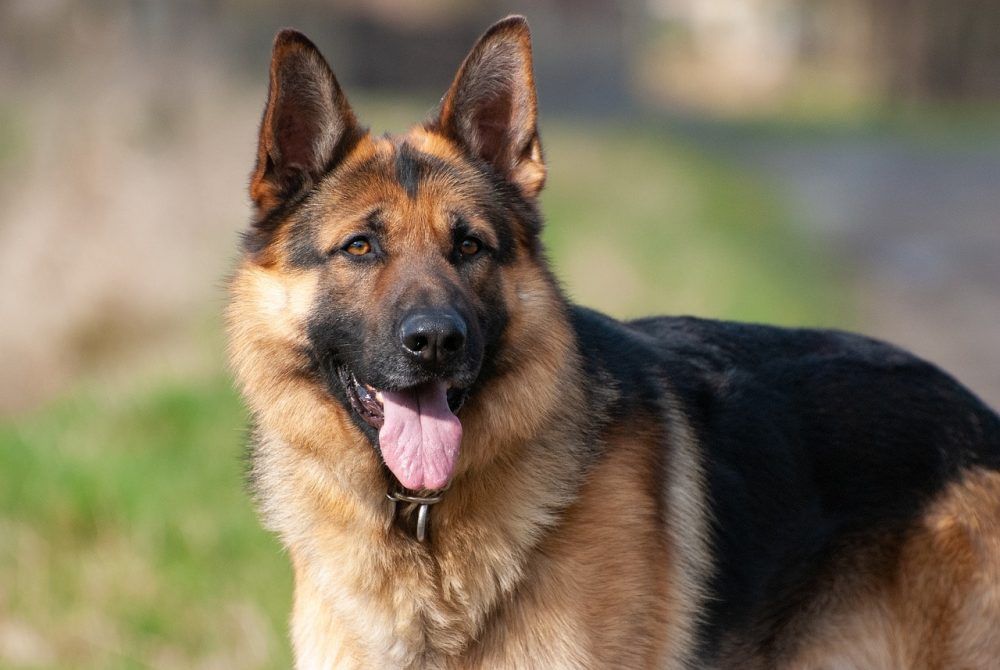
The German Shepherd is a very popular dog breed. In fact, it is the fourth most popular breed in the USA. It is loyal, loving with family, energetic, and playful. Unfortunately, like most dog breeds, they do not live as long as their owners would like. So how long do German Shepherds live? A German Shepherd's lifespan is between 7 and 14 years. Factors including hereditary conditions, the nutritional quality of their food, exercise levels, and even gender can play a part in how long your GSD lives.

What’s the Average German Shepherd Lifespan?
Although it is true that many factors determine how long a German Shepherd lives, it can be beneficial to know the average age one will reach. The average life expectancy of the German Shepherds is 7-14 years, but this is based on statistics. In the absence of major illness or injury, you would expect a lifespan of around 10-12 years. So why the wide statistical range? It comes down to a number of factors, including the incidence of inherited and acquired disease in this breed, as well as the fact that many police and military dogs are German Shepherds, which will skew the data.

Why Do Some German Shepherds Live Longer Than Others?
If the average German Shepherd – GSD for short – is expected to live around 10-12 years, why is there so much variation in their statistical lifespan? Let’s take a look at the various factors that influence longevity, and how they stack up against the GSD.
1. Genetics and Breeding
The breeding history of any dog will have a significant impact on their health and lifespan. When the GSD became more popular as pets in the late 1900s, a divergence appeared within the breed, separating the working-type Shepherd from the pet or show-type Shepherd, with the latter developing numerous musculoskeletal abnormalities such as hip & elbow dysplasia, degenerative joint disease, and spinal disease, as a result of selective breeding based on appearance over function, while the working-type dogs maintained the more functional form of their origins.
The sloping back that became the breed standard brought with it numerous health problems, which are fortunately now being selected against, but these problems are likely to plague the genetics of these beautiful dogs for many generations to come. Sadly, these dogs are considered to be “ideal specimens” by many breeders and dog judges, despite their inherent health problems.

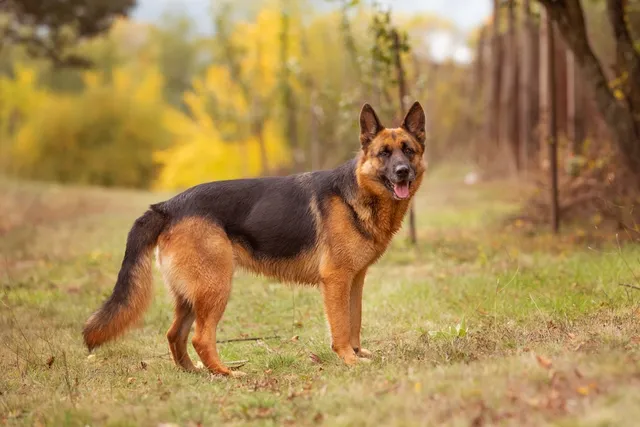
When choosing a GSD puppy, taking care to research breeders is a must. Look for GSD parents with the healthy body conformation of the ‘working type’ dog rather than the sloping back and crouched hind limb posture of the ‘show type’. Responsible breeders will allow you to view both parents, and show evidence of pre-breeding testing such as hip and elbow scores.
2. Health
With infectious diseases like Parvovirus, Rabies, Leptospirosis, and Distemper being found across the US, ensuring your puppy is vaccinated is one of the simplest ways to make sure they make it to adulthood. Keeping them up to date with booster vaccinations is important, so don’t forget to talk to a vet about the best intervals to make sure they stay protected.
In addition to musculoskeletal issues, the GSD is predisposed to a number of major health problems including osteosarcoma (bone cancer), dilated cardiomyopathy (heart disease), bloat with gastric dilatation & volvulus (GDV), and degenerative myelopathy. These conditions can in themselves be fatal, or lead to the compassionate euthanasia of a pet.
3. Lifestyle
Although the GSD was originally bred to help guard and move livestock, their strength and trainability have made them popular military and police dogs, who risk their lives every day alongside their dedicated handlers.
On the other end of the spectrum, dogs that are not getting enough exercise are likely to become overweight or obese, putting further strain on their joints and heart.
4. Nutrition
Dogs need a variety of vitamins and minerals, with protein being one of the most important. While meeting all of the essential nutritional requirements of a dog, you must keep within a recommended calorific intake to prevent your dog from becoming overweight and suffering the health problems associated with this. In fact, dogs with a lean body condition score of 4-6/9 are believed to live up to 25% of their heavier relatives.

5. Environment and Conditions
Like humans, dogs can be adversely affected by environmental conditions. In fact, because of their smaller size, toxins can prove deadly in much smaller amounts, and some dogs do tend to investigate everything with their mouths. They can ingest chemicals from fertilizers and even cleaning products around your home. Over time, these toxins build up and can cause illnesses that shorten their life.
Extreme temperatures, being left out in the rain, and extreme heat can also impact your pup’s well-being and affect a change in their health.
6. Housing
Similar to environmental factors, the quality of a dog’s housing can affect how long it will live. If a dog lives indoors, it is less likely to be exposed to toxins and extreme weather conditions. It is also less likely to suffer serious accidents. An indoor dog that still gets plenty of outdoor exercise is the most likely to lead the longest life.

7. Sex And Neutering Status
Spaying females before their first or second seasons has been shown to significantly reduce their risk of developing mammary cancer, and will also eliminate the risk of pyometra, a potentially deadly infection of the uterus. Neutering males can have beneficial impacts on behavior and aggression, and reduce the risks of them straying to seek out a mate.
Recent research is looking into how spay/neuter status impacts lifespan, with several breeds, including the Golden Retriever, Doberman, and Rottweiler, showing some negative links between early doctoring and certain diseases. For dogs with a predisposition to joint disease, including the German Shepherd, it has been recommended that spaying/neutering should not take place until the dog has reached two years of age.
8. Healthcare
You should always have regular health checkups for your dog, whatever the breed, and if your puppy or adult dog shows signs of any potentially serious conditions, take them to the vet. Take out dog insurance to help cover the costs because poor healthcare does shorten the life of a dog.

The 4 Life Stages of a German Shepherd
Knowing the life stage your dog is in will go a long way to ensuring you are looking out for any potential problems and providing them with everything they need.
1. Puppy – Birth to 8 months
- Top Priorities: nutrition for growth, socialization, training, vaccination
- Biggest Risks: infection, congenital problems
2. Adolescent – 8 months to 2 years
- Top Priorities: continued socialization & training - male dogs in particular can be very challenging at this age, exercise, nutrition for development, working to reach ideal body condition
- Biggest Risks: food intolerances/allergies, behavioral problems (aggression), joint disease (hip or elbow dysplasia),GDV, straying to find a mate

3. Adult – 2 years to 8 years
- Top Priorities: maintenance of ideal weight, regular health checks, dental care, keeping mind and body active, starting joint support
- Biggest Risks: degenerative joint disease/arthritis, cancer
4. Geriatric – over 8 years
- Top Priorities: gradually reducing exercise intensity and calorie intake, joint care, regular health checks.
- Biggest Risks: degenerative joint disease/arthritis, cancer
How to Tell Your German Shepherd’s Age
Estimating your GSD’s age is much easier in their first year using their teeth. It’s much trickier between the ages 1 to 8 or 9 years, and becomes a little easier in their twilight years. Knowing their date of birth is obviously the only way to be completely accurate, but as a general guide:
Puppies and Adolescents
- Deciduous (puppy) teeth start to appear around 2-4 weeks, and they will have them all by the time they are 6 weeks old. These are very white and very sharp!
From 12-16 weeks, these teeth start to loosen and are gradually replaced by adult teeth over the next 3 months. By the time they are 6 months old, all deciduous teeth will be gone, and only permanent teeth remain.
These brand new teeth tend to stay pretty bright and clean for at least the first 6-12 months, so you can usually get an idea of whether a pup is 12-24 months old based on their teeth and size.

Adults
Unless you maintain a rigorous routine of daily brushing and flossing your dog’s teeth, they will inevitably accumulate some discoloration, tartar, and general wear & tear over the course of their life. What makes it difficult to estimate an adult’s age based on dentition alone is that the appearance and health of their teeth will be influenced by
- Breed and genetics
- Diet
- Owner dental hygiene
- Whether they chew toys, stones, or carry tennis balls
- Whether they have had a dental procedure
Adult dogs will have stopped growing, and will (usually) have settled down somewhat and be less boisterous than their former adolescent selves. Their eyes should be clear and bright.
Geriatric
Much like with the adult life stage, dentition is not necessarily helpful here, as young dogs may have poor dental health, and old dogs may have teeth in incredible condition.
Once dogs start to enter their ‘retirement’ years, there are three major features that you can track:
Nuclear sclerosis – the gradual haziness that appears in a dog’s pupils, usually around the age of 8-9 years old. This is a normal aging process. It is bilateral, causes no discomfort or inflammation, and will only very slowly affect their vision. Not to be confused with cataracts, which are more solid and pearlescent in appearance, or uveitis, a painful inflammation or infection of the eye.
Graying fur – some dogs, like humans, will start to develop gray or white hairs from a young age, but in most cases, grey or white hairs start to appear around the eyes and muzzle from around 7-9 years old, gradually getting more noticeable with each passing year. By the time they are 13+ years, some dogs can have a completely white face!
Muscle mass – as dogs age, their muscle mass starts to decrease as their metabolism slows down, along with their exercise amount. You may notice that your GSD’s shoulder blades, hips, femurs, skull, and spine become more prominent from the age of around 10 years old. If you notice this occurring at a younger age, you should take them to the vet for a check up, as this could indicate a metabolic issue, nerve problem, or pain.

Conclusion
As one of the most popular companion and working dogs in the world, the German Shepherd is easily recognizable and well known. The typical life expectancy for most GSDs is usually around 10-12 years, however, due to a higher than average incidence of health problems, as well as their popularity in dangerous occupations, their statistical life expectancy sits between 7 and 14 years.
There are many factors that will influence the lifespan of an individual dog; some you can influence, others that are outside your control. When it comes to choosing a GSD, selecting a dog with a healthy conformation over a ‘show type’ is one of the greatest steps you can take to increase the chances of taking home a healthy pup. Providing them with the best healthcare, including vaccination, optimal nutrition, exercise & enrichment, and shelter will go a long way to keeping your best friend safe and help them reach the upper end of that life expectancy range.
Related Reads:
Featured Image Credit: dendoktoor, Pixabay
Expert dog care, straight to your inbox
News, insights, expert advice, and everything dog.

No spam — unsubscribe anytime.
By signing up, you agree to our Terms & Conditions and Privacy & Cookies Policy.
How useful was this post?
Click a star to rate. You can leave written feedback afterwards. (We read all feedback.)
Nicole has loved animals of all sizes her whole life so it's no wonder she has dedicated her career to helping them through what she loves best: learning, writing, and sharing knowledge with others. She’s the proud mom of two dogs, a cat, and a human. With a degree in Education and 15+ years of writing experience, Nicole wants to help pet parents and pets around the planet to live happy, safe, and healthy lives.