How to Groom a Cavalier King Charles Spaniel: 8 Vet-Verified Tips


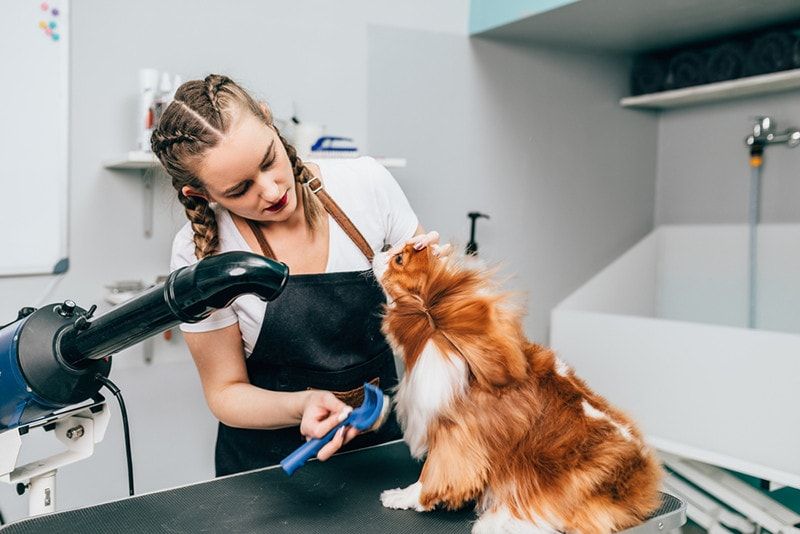
The Cavalier King Charles Spaniel is a vibrant toy breed that is also a successful show dog. They are obedient and agile and often make great family pets because of their sweet and gentle personalities.
The same basic care is given whether you have a show dog or a companion dog, and keeping this breed looking classy and groomed requires a little time and regular maintenance. Fortunately, these small toy breeds are easy to lift, can easily fit into a bathtub or sink, and have fairly manageable coats.
Let’s look at some tips and tricks to groom your Cavalier King Charles Spaniel.

Before You Begin

Before you begin grooming your Cavalier, here are some items you may need:
- Slicker brush
- Comb
- Nail clippers
- Pet clippers and blades (optional)
- Scissors
- Pet Shampoo
- Towel
- Hairdryer
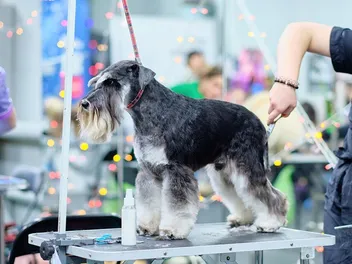
Find a secure surface to put your dog on for grooming. A grooming table is ideal if you have one at home; otherwise, you can use a large table with a non-slip mat. If your dog is resistant to grooming, use a harness or leash to keep it secure and safe.
Make sure you have all your tools at hand so that you don’t need to be interrupted, and keep your dog’s favorite treats on hand to reward them for cooperating and listening.

The 8 Tips for Grooming Your Cavalier King Charles Spaniel
1. Daily Brushing
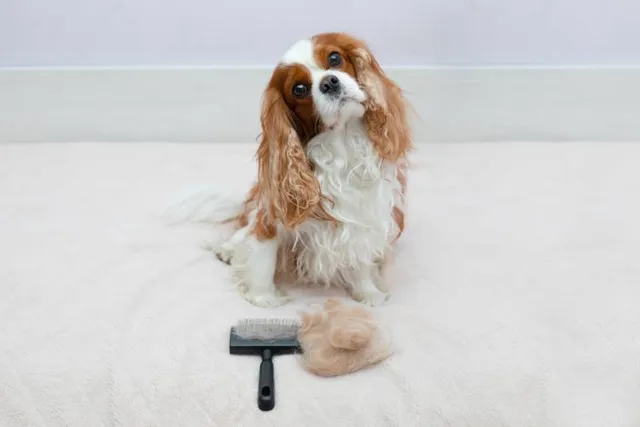
If your dog has a long coat, it will be prone to knots, and regular daily brushing will pull out the loose hair and prevent it from tangling and knotting. A pin brush is a great brush to use as it causes minimal damage to your dog’s coat. Regular brushing also helps stimulate natural oils in the skin, which will make their coats shine.
If your dog has knots already, you will need to carefully work them out first. Thinning scissors can help loosen the matting and gently remove the knots when used cautiously.
It is essential to brush your Cavalier all over, including the ears, chest, tail, legs, feet, and underbelly, before you go on to the dog’s back.

2. Bathing
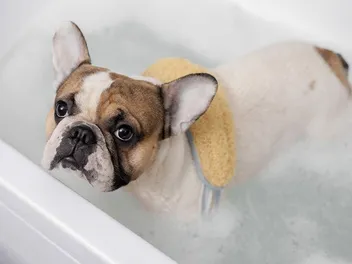
Once you have brushed your Cavalier well, they are ready for bath time. A bath every 6-8 weeks is usually suitable for keeping your dog's coat fresh and healthy. Use a non-slip mat to keep your dog safe and prevent slipping.
Wet your dog with a shower hose if you have one, starting at the body and avoiding the head. Cavaliers have some natural water resistance from their coat oils, so you may notice water does not soak in immediately. It is recommended to shampoo your Cavalier twice to remove dirt and build-up thoroughly.
Use a dog-friendly shampoo with a mild, low-residue formula and lukewarm water. Be careful not to get any soap in your dog’s eyes. If it’s easier, you could wipe down their face with a facecloth after their bath. After two shampoos, you can finish off with one round of conditioner to soften and smooth your dog’s coat.
3. Dry Your Dog's Coat
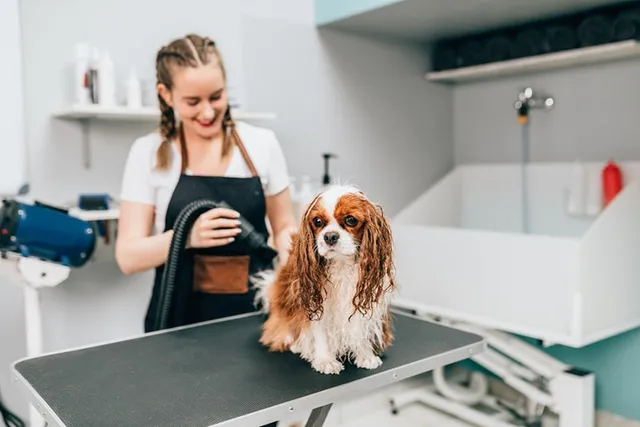
You can dry your dog with a towel or dryer, but be aware they may shake off water and spray it around. A lint-free pet towel is a good option as it is highly absorbent, but if you use the blow dryer, do so on a low setting well away from the skin to avoid burns, doing so while combing downwards. Consider starting with the ears, as they take longer to dry.

4. Trim Foot Fur and Nails
You know it's usually time to clip your dogs’ nails when you hear them tapping on the floor. Some dogs may need a nail trim once every 3 to 4 weeks, but if you have a show dog, the nails may be maintained more frequently depending on growth and wear. Trimming your dog's nails after a bath is recommended as they are warm, soft, and easier to cut. Clip small pieces at a time at a 45-degree angle, not going too far back so as not to cut the quick.
Hair also grows at the bottom of the paws between the toes and may need to be trimmed regularly to prevent your dog from slipping. The feathering on top of a Cavalier’s foot is a feature of this breed, so if your dog is a show dog, do not trim the tops of their feet.
5. Daily Dental Cleaning
Cavalier King Charles Spaniels, like most dogs, require daily oral hygiene if possible. Establish a daily routine and clean their teeth when they are calm and relaxed. While daily cleaning is ideal, if they have a healthy mouth, three days a week may suffice. You should use a dog-specific toothbrush. The bristles are softer and angled differently; make sure to use dog toothpaste also.
Dog toothpaste is available in dog-friendly flavors such as poultry and peanut butter. Human toothpaste contains ingredients that may upset your dog's stomach. If you are unable to care for your dog's teeth, you can consult a professional groomer for basic maintenance or visit a vet for dental care as needed.

6. Don’t Forget Eyes and Ears
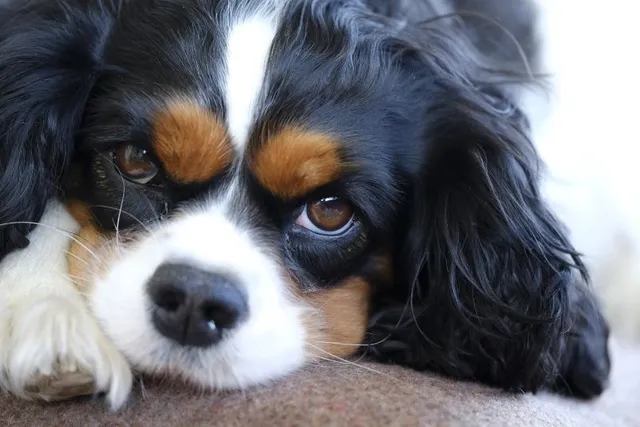
The ears of a Cavalier are one of their defining features. While their cute, drooping ears protect the inner hearing canals, they can reduce the air from circulating underneath them. Because of this, their ears should be checked regularly for wax and debris build-up, which can result in an ear infection.
If your dog has gunk build-up in the corner of the eyes, you can clean them out with an eye wash made for dogs or sterile saline solution. Gently cleaning your dog’s eyes when needed can help prevent irritation. If there are any signs of an infection or conjunctivitis, such as yellow or green discharge, redness, swelling, squinting, or rubbing the eyes, consult a veterinarian promptly. Tear stains can also be cleaned with a cloth and eye rinse.
7. Thin the Coat
Some Cavalier King Charles Spaniel owners prefer to thin their dogs' coats rather than cut them. Thinning shears can thin your dog's coat as it grows. Work through the fur in sections, using thinning shears and following up with a comb to remove loose hair. Comb it thoroughly to determine if it is thin enough, and repeat the process if necessary.
Try not to get too close to the root, as that could remove too much density and lead to an uneven or overly thinned appearance.

8. Give Your Spaniel the Best Hairstyle
Show off your Cavalier's regal beauty with a sleek hairstyle. A puppy cut can keep your Cavalier's coat well-maintained and cool during the hot weather. The hair length can vary but is often kept short and even across the body, while the ears are typically left longer and sometimes the feet are slightly shaped for neatness. Hold the end of the fleshy part of the ear to avoid cutting it, and then trim the fur to the desired length, ensuring the ears are the same length.
If you choose to clip your Cavalier, they may not meet show standards again until the coat regrows and is properly presented. Clip down in the same direction as the fur and be more cautious around the chest area. Cut the back area under the tail and back legs with scissors and remove any stray bits from under the belly.
Conclusion
Getting your Cavalier King Charles Spaniel into a regular grooming routine is the best way to ensure your dog stays healthy and feels comfortable throughout the process. Your Cavalier will benefit from regular brushing to prevent matting and bathing as needed to keep their coat clean and healthy.
Their ears will need to be checked regularly for wax buildup. Like most dogs, their nails will require trimming when you hear them tapping on the floor, and oral hygiene should never be overlooked. If you want your Cavalier to be showcased in dog shows, then you should avoid clipping or significantly altering their natural coat. Don’t forget to give your dog a treat to reward them for their cooperation and good behavior.
Sources
Featured Image Credit: hedgehog94, Shutterstock
Expert dog care, straight to your inbox
Vet-reviewed advice, training tips, and the best of Dogster. Free, and you can unsubscribe anytime.
By signing up, you agree to our Terms & Conditions and Privacy & Cookies Policy.
Nicole has loved animals of all sizes her whole life so it's no wonder she has dedicated her career to helping them through what she loves best: learning, writing, and sharing knowledge with others. She’s the proud mom of two dogs, a cat, and a human. With a degree in Education and 15+ years of writing experience, Nicole wants to help pet parents and pets around the planet to live happy, safe, and healthy lives.
Join the conversation
Ask a question, share your story, or send private feedback.